Emergence of Payouts King: A New Ransomware Threat Linked to Former BlackBasta Affiliates
In the ever-evolving landscape of cyber threats, a new ransomware group named Payouts King has surfaced, posing significant risks to organizations worldwide. Emerging in April 2025, Payouts King is believed to be operated by former affiliates of the now-defunct BlackBasta ransomware group, which ceased operations in February 2025 following the public leak of its internal communications.
Background on BlackBasta
BlackBasta was a prominent ransomware group that emerged in February 2022, succeeding the notorious Conti gang. Over nearly three years, BlackBasta executed numerous high-profile attacks, employing aggressive data theft and encryption tactics. The group’s downfall came in early 2025 when internal chat logs were leaked, exposing its members and operational methods, leading to its disbandment.
The Rise of Payouts King
Following BlackBasta’s dissolution, its former affiliates did not retreat from the cybercriminal arena. Instead, they regrouped under various new banners, including Cactus and, more recently, Payouts King. Since its inception, Payouts King has been conducting targeted attacks with a combination of data exfiltration and selective file encryption, reminiscent of BlackBasta’s strategies.
Attack Methodology
Payouts King employs a multifaceted approach to infiltrate and compromise target networks:
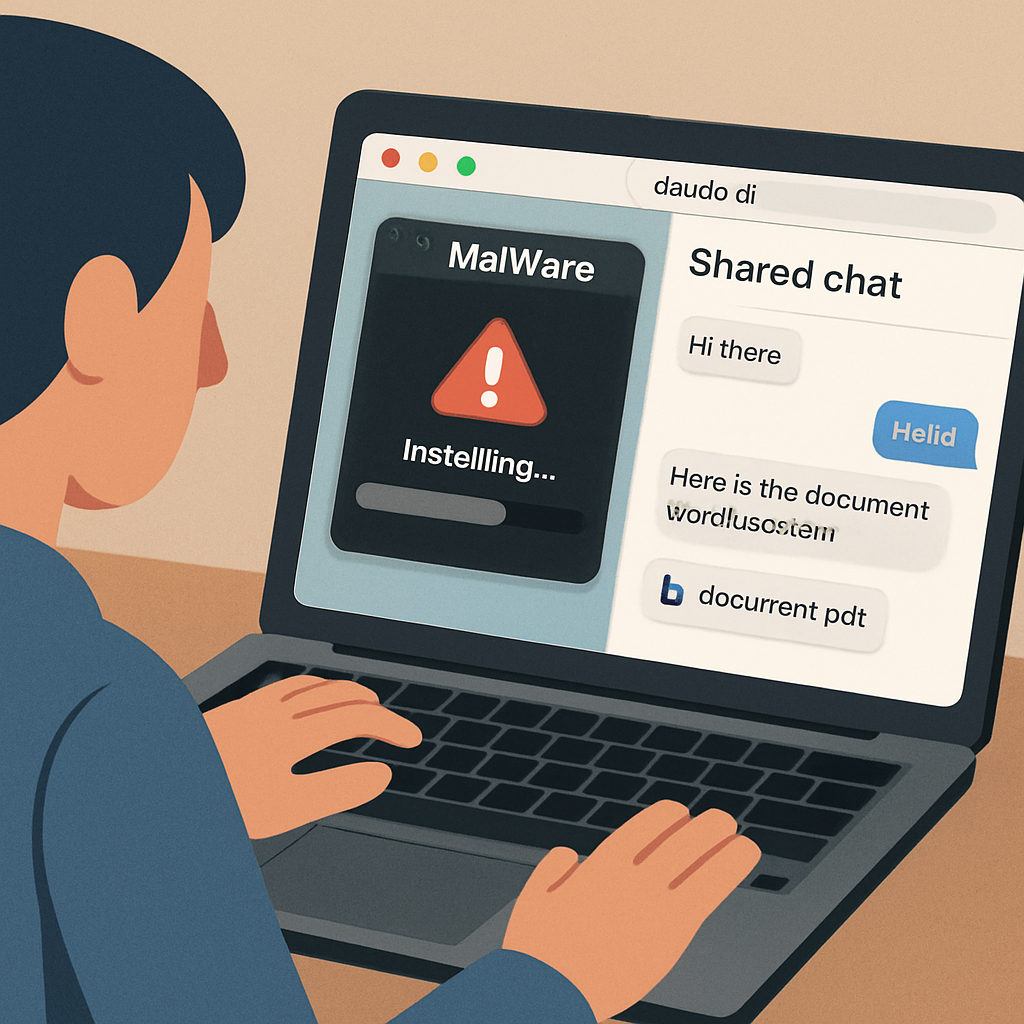
1. Initial Access: The group initiates attacks by overwhelming victims with spam emails, a tactic known as spam bombing. Subsequently, they engage in social engineering via Microsoft Teams, impersonating IT staff to deceive users into granting remote access through legitimate tools like Windows Quick Assist.
2. Data Exfiltration and Encryption: Once inside the network, Payouts King deploys its ransomware payload, systematically stealing sensitive data before encrypting select files. This dual-threat approach increases pressure on victims to comply with ransom demands.
3. Extortion Tactics: The group operates a data leak site on the Tor network, where they threaten to publish stolen information unless the ransom is paid. Victims receive a ransom note titled readme_locker.txt, directing them to communicate via the TOX messaging platform.
Technical Sophistication
Payouts King’s ransomware exhibits advanced technical features designed to evade detection and complicate mitigation efforts:
– Encryption Mechanism: The malware utilizes 4,096-bit RSA and 256-bit AES encryption in counter mode. Each file is encrypted with a pseudorandomly generated key and initialization vector, with encryption parameters stored in a structured 487-byte format beginning with the magic bytes CRPT. For files larger than 10MB, the ransomware encrypts specific segments to optimize performance.
– Obfuscation Techniques: To evade security tools, Payouts King employs stack-based string encryption, resolves Windows API functions through hashing, and uses a custom CRC checksum algorithm with a polynomial value of 0xBDC65592. These methods hinder static analysis and reverse engineering efforts.
– Anti-Sandbox Mechanism: The ransomware includes mechanisms to detect and evade sandbox environments, reducing the likelihood of detection during analysis.
Implications for Cybersecurity
The emergence of Payouts King underscores the persistent evolution of ransomware threats and the adaptability of cybercriminal networks. Organizations must remain vigilant and proactive in their cybersecurity measures to defend against such sophisticated attacks.
Recommendations for Mitigation
To protect against threats like Payouts King, organizations should implement the following strategies:
1. Employee Training: Educate staff on recognizing phishing attempts and social engineering tactics to prevent initial access.
2. Access Controls: Limit the use of remote access tools and ensure they are configured securely to prevent unauthorized access.
3. Regular Backups: Maintain up-to-date backups of critical data, stored securely and isolated from the main network to facilitate recovery in case of an attack.
4. Patch Management: Regularly update and patch systems to close vulnerabilities that could be exploited by attackers.
5. Incident Response Planning: Develop and regularly test incident response plans to ensure swift action can be taken in the event of a ransomware attack.
Conclusion
Payouts King represents a significant and evolving threat in the cybersecurity landscape. By understanding its origins, tactics, and technical capabilities, organizations can better prepare and fortify their defenses against such sophisticated ransomware operations.