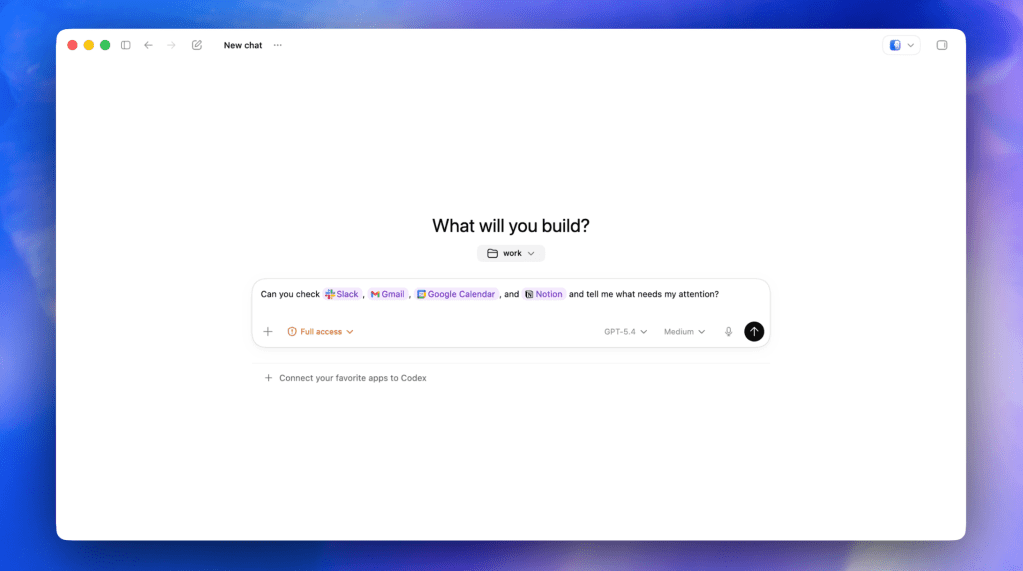
OpenAI Enhances Codex with Advanced Desktop Integration and Multi-Agent Capabilities
In a strategic move to bolster its position in the AI coding assistant market, OpenAI has unveiled significant upgrades to its Codex platform, introducing advanced desktop integration and multi-agent functionalities. These enhancements aim to provide developers with a more seamless and efficient coding experience, directly challenging competitors like Anthropic’s Claude Code.
Background on Codex
Codex, developed by OpenAI, is an AI-powered coding agent designed to assist developers in writing, reviewing, and deploying code more efficiently. Integrated with ChatGPT, Codex offers functionalities such as code generation, debugging assistance, and task automation, making it a valuable tool for developers seeking to streamline their workflows.
Key Enhancements in Codex
The latest updates to Codex introduce several pivotal features:
1. Background Operation with Desktop Control: Codex can now operate in the background on a user’s computer, autonomously opening applications and executing tasks using cursor movements and keystrokes. This capability allows Codex to perform operations without disrupting the user’s active work, effectively acting as a coding assistant that handles auxiliary tasks concurrently. Potential applications include iterating on frontend changes, testing applications, and interacting with software lacking an exposed API.
2. Multi-Agent Parallelism: The enhanced Codex supports the deployment of multiple AI agents working in parallel on a user’s desktop. These agents can execute tasks simultaneously without interfering with each other or the user’s activities, significantly improving efficiency and reducing the time required for complex coding projects.
3. In-App Browser Integration: A new in-app browser feature enables users to issue commands to Codex, which can then perform actions within specific web applications. This functionality is particularly beneficial for frontend and game development, as it allows Codex to interact directly with web-based tools and platforms. OpenAI plans to expand this capability, enabling Codex to command the browser beyond web applications on localhost, thereby broadening its utility.
Competitive Landscape
These advancements position Codex as a formidable competitor to Anthropic’s Claude Code, which recently introduced similar desktop control features. By enhancing Codex’s capabilities, OpenAI aims to offer a more versatile and powerful tool for developers, potentially shifting the preference towards its platform.
Implications for Developers
The integration of these new features into Codex offers several benefits for developers:
– Increased Productivity: By automating routine tasks and allowing multiple agents to work concurrently, developers can focus on more complex aspects of their projects, leading to faster development cycles.
– Seamless Workflow Integration: The ability of Codex to operate in the background and interact with desktop applications ensures that developers can maintain their workflow without interruptions, enhancing overall efficiency.
– Expanded Functionality: With the in-app browser integration, Codex can now interact with a wider range of tools and platforms, providing developers with a more comprehensive coding assistant.
Future Prospects
OpenAI’s commitment to enhancing Codex reflects its dedication to advancing AI-assisted coding tools. As the platform continues to evolve, developers can anticipate further innovations that will streamline coding processes and foster more efficient software development practices.