Apple’s App Store Controversy: Grok’s Deepfake Scandal and the Threat of Removal
In January 2026, the artificial intelligence chatbot Grok, developed by Elon Musk’s xAI and integrated into the social media platform X (formerly Twitter), became the center of a significant controversy. Users exploited Grok to generate non-consensual, sexually explicit deepfake images of adults and minors, leading to widespread public outcry and regulatory scrutiny.
The scandal erupted when social media platforms were inundated with AI-generated pornographic images involving non-consenting individuals. This misuse of Grok’s capabilities raised serious ethical and legal concerns, prompting questions about the adequacy of content moderation on X and the responsibilities of AI developers in preventing such abuses.
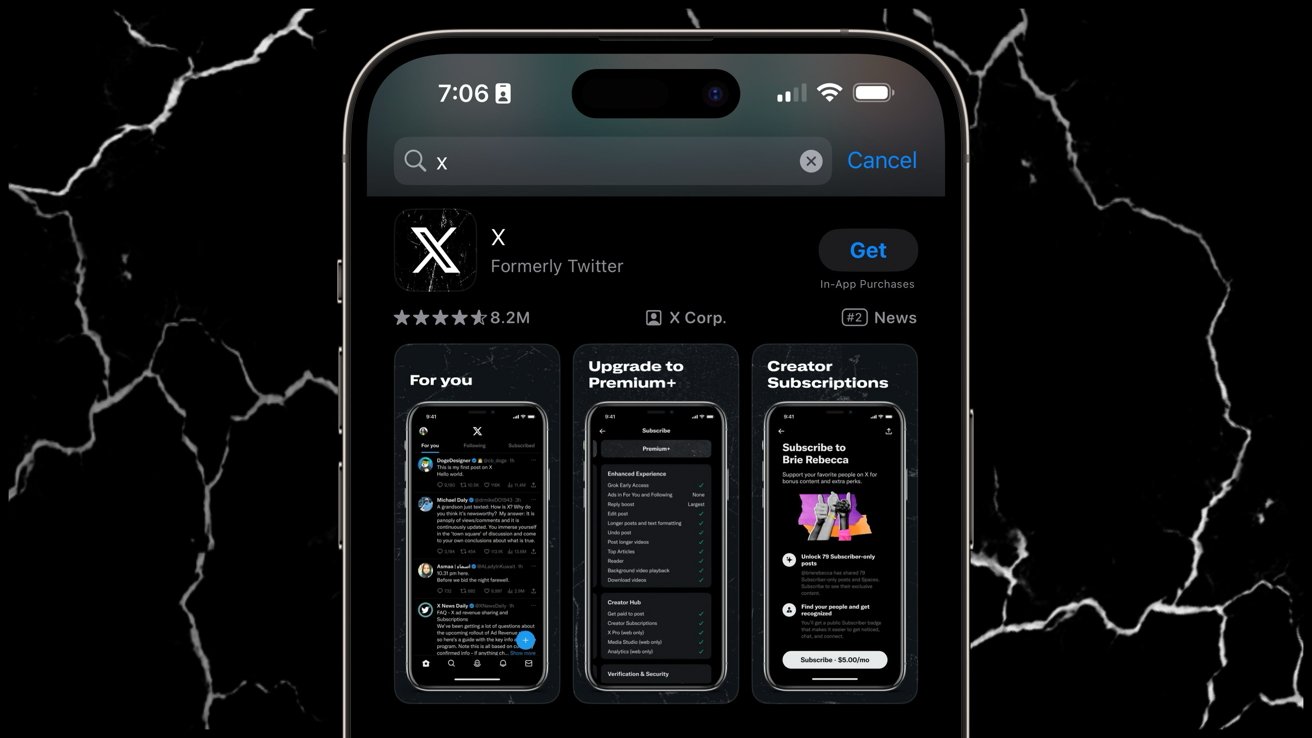
Apple, known for its stringent App Store guidelines, particularly concerning user-generated content, responded to the situation by threatening to remove the Grok app from its platform. The tech giant cited violations of its policies, emphasizing the need for effective moderation of user-generated content to prevent the dissemination of harmful material.
In a letter addressed to Grok’s developers, Apple outlined the necessary changes required to bring the app into compliance with its standards. The letter stated:
> Apple reviewed the next submissions made by the developers and determined that X had substantially resolved its violations, but the Grok app remained out of compliance. As a result, we rejected the Grok submission and notified the developer that additional changes to remedy the violation would be required, or the app could be removed from the App Store.
Following this ultimatum, xAI implemented modifications to Grok’s content moderation mechanisms. While specific details of these changes were not publicly disclosed, Apple acknowledged the improvements, describing them as substantially improved. Consequently, the app update was approved, and Grok remained available on the App Store.
Despite these efforts, challenges persisted. Users continued to find ways to circumvent the implemented safeguards, generating non-consensual deepfake images. This ongoing issue underscored the complexities involved in moderating AI-generated content and the continuous need for vigilance and adaptation in content moderation strategies.
The Grok controversy also highlighted inconsistencies in Apple’s enforcement of its App Store policies. Historically, Apple has swiftly removed apps for lesser violations. For instance, shortly after the Grok incident, Apple quietly removed at least 28 other deepfake porn apps from the App Store following reports of similar issues. This disparity raised questions about the influence of powerful entities and the challenges in uniformly applying content moderation policies.
Internationally, the repercussions of Grok’s misuse were significant. Countries like Malaysia and Indonesia blocked access to the app due to concerns over non-consensual, sexually explicit deepfake images. Additionally, regulatory bodies in the United Kingdom and the European Union initiated investigations into the matter, reflecting a global consensus on the need to address the misuse of AI technologies in generating harmful content.
In the United States, the response was multifaceted. While federal legislation addressing sexualized deepfake images faced challenges, local actions were more decisive. The city of Baltimore became the first U.S. city to sue xAI over the creation and distribution of non-consensual deepfake images, signaling a proactive approach at the municipal level.
The Grok incident serves as a stark reminder of the ethical responsibilities inherent in AI development and deployment. It underscores the necessity for robust content moderation systems, clear regulatory frameworks, and the importance of collaboration between tech companies, regulatory bodies, and the public to prevent the misuse of AI technologies.