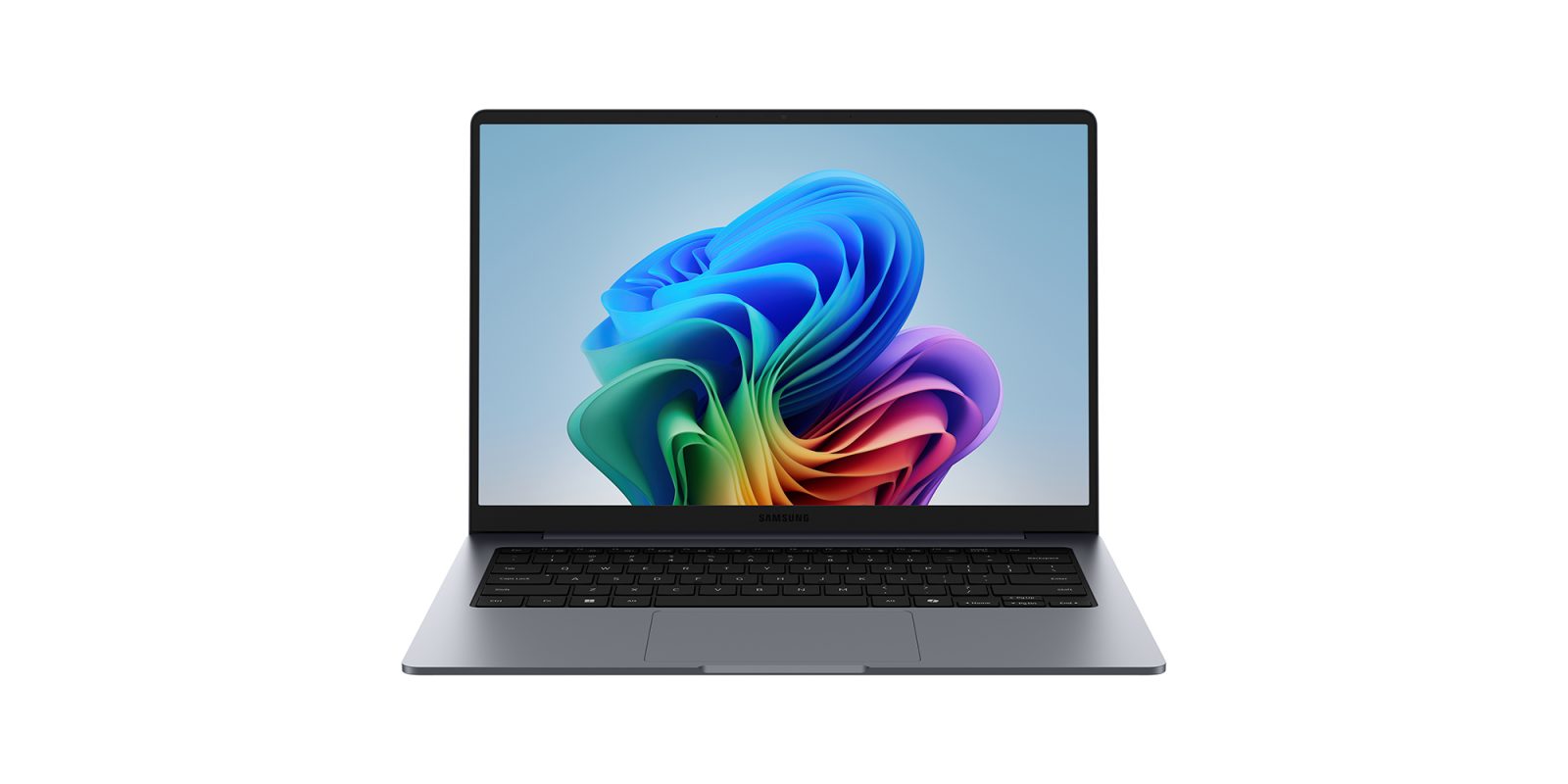
Samsung Increases Galaxy Book 6 Prices by Up to $600 Amid Base Model Release
Samsung has officially launched the base model of its Galaxy Book 6 series in the United States, accompanied by significant price increases across the entire lineup. Initially announced earlier this year with a starting price of $1,049, the Galaxy Book 6 series has now seen adjustments that elevate the entry-level model’s price to $1,249—a $200 increase from the original pricing.
Base Model Specifications and Pricing:
The newly released base Galaxy Book 6 is available in both 14-inch and 16-inch configurations. These models are powered by Intel’s Core Ultra 5 325 or Core Ultra 7 355 processors, paired with 16GB of RAM. Storage options include 512GB or 1TB SSDs. The 14-inch model starts at $1,249, while the 16-inch variant with 1TB storage is priced at $1,749.
Price Adjustments Across the Lineup:
In addition to the base model, Samsung has implemented price increases for the Galaxy Book 6 Pro and Ultra models. The 14-inch Galaxy Book 6 Pro with 16GB RAM and 512GB storage now costs $1,799, up from the original $1,599—a $200 hike. The 16-inch Pro model with 16GB RAM and 1TB storage is now priced at $2,199, reflecting a $300 increase from its initial $1,899 price point. Higher-end configurations have experienced even steeper increases; for instance, the 14-inch Pro model with 32GB RAM and 1TB storage has risen by $450 to $2,449.
The Galaxy Book 6 Ultra models have also seen substantial price hikes. The 16-inch Ultra with 32GB RAM, 1TB storage, and Intel Arc B390 GPU is now priced at $2,899, up $450 from its original $2,449. The most significant increase affects the Ultra model equipped with an NVIDIA RTX 5060 GPU, which has risen by $600 to a new price of $3,599.
Context and Industry Trends:
These price adjustments come amid a broader trend of rising costs in the tech industry, largely attributed to increasing prices for RAM and storage components. Samsung is not alone in this; other major manufacturers, including Microsoft and Lenovo, have also raised prices on their devices in response to these market conditions. For example, Microsoft recently increased prices on its Surface devices, and Lenovo has implemented similar hikes across its product lines.
Furthermore, Samsung has recently raised prices on several of its Galaxy smartphones and tablets. Notably, the Galaxy Z Fold 7 saw its price increase by $80 for the 512GB model and $80 for the 1TB variant. Other devices, such as the Galaxy Z Flip 7 and various Galaxy Tab models, have also experienced price hikes ranging from $50 to $280.
Implications for Consumers:
For consumers, these price increases may necessitate reevaluating purchasing decisions, especially for those considering high-end configurations. The rising costs underscore the importance of staying informed about market trends and exploring various options to find the best value. Potential buyers might consider looking into trade-in programs, promotional offers, or alternative models that fit their budget without compromising on essential features.
Conclusion:
Samsung’s decision to raise prices across its Galaxy Book 6 lineup reflects broader industry challenges related to component costs. As the tech landscape continues to evolve, consumers are encouraged to stay vigilant and explore all available options to make informed purchasing decisions.