Science Corp’s Groundbreaking Biohybrid Brain Sensor Nears First Human Implantation
Science Corporation, founded by former Neuralink president and co-founder Max Hodak, is on the brink of a significant milestone in neurotechnology. The company is preparing to implant its first biohybrid brain-computer interface (BCI) sensor into a human subject. This initiative is spearheaded by Dr. Murat Günel, chair of Yale Medical School’s Department of Neurosurgery, who has joined Science Corp as a scientific adviser after two years of collaboration. The primary objective is to surgically place an advanced sensor that will eventually integrate lab-grown neurons with electronic components, aiming to establish a seamless connection between the human brain and external devices.
Established in 2021, Science Corp recently secured a $230 million Series C funding round, elevating its valuation to $1.5 billion. The company’s most advanced product to date is PRIMA, a device designed to restore vision in individuals suffering from blindness due to macular degeneration and similar conditions. Acquired in 2024, PRIMA has progressed through clinical trials, with plans for broader availability in Europe pending regulatory approval, potentially as soon as this year.
Hodak’s vision extends beyond treating specific ailments; he aims to create reliable communication links between computers and the human brain. This endeavor seeks not only to address neurological diseases but also to pave the way for human enhancement, such as introducing entirely new senses to the body. Hodak’s dedication to this field is evident from his early days in neuroscience research to his pivotal role in establishing Neuralink alongside Elon Musk.
Traditional methods of interfacing with the brain involve metal probes or electrodes that, while effective, can cause brain damage over time, potentially compromising device performance. Recognizing these limitations, Science Corp is pursuing a more organic approach. Dr. Günel praised this strategy, stating, The idea of using natural connections through neurons and creating a biological interface between the electronics and the human brain is genius.
Leading the development of Science’s biohybrid sensor is co-founder and Chief Science Officer Alan Mardinly, who oversees a team of 30 researchers. The envisioned device will incorporate lab-grown neurons that can be stimulated with light pulses, designed to integrate naturally with a patient’s existing brain neurons. In 2024, the company demonstrated the device’s safety and efficacy in mice, marking a significant step toward human trials.
The immediate focus is on developing prototypes and refining the cultivation of neuron cells for various therapeutic applications that meet medical standards. Dr. Günel is advising the team as they prepare for human clinical trials, engaging with medical ethics boards to ensure compliance with regulations. The initial phase involves testing the advanced sensor, sans embedded neurons, within a living human brain.
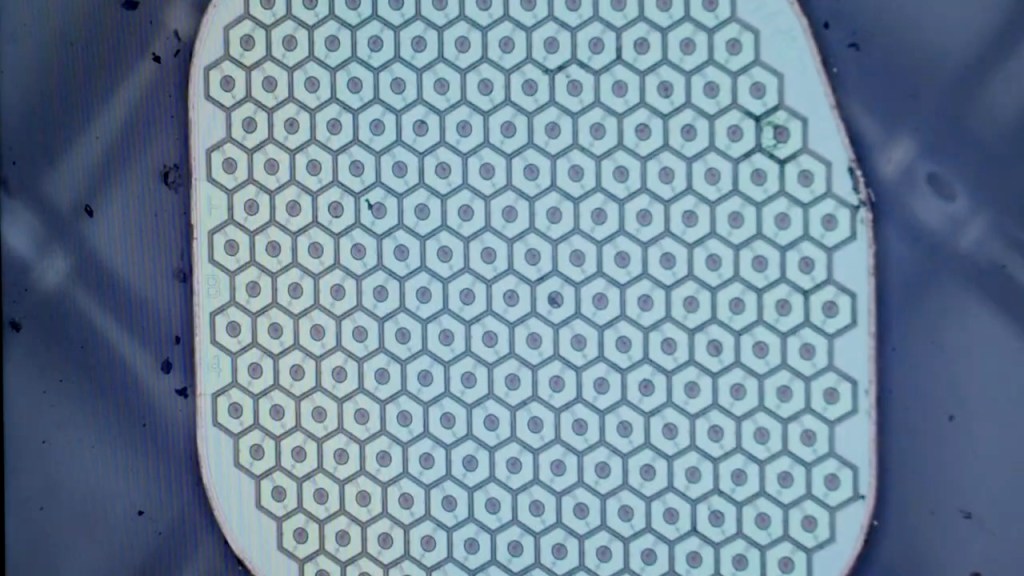
Unlike devices that penetrate brain tissue, Science’s sensor will be implanted inside the skull, resting atop the brain. This distinction may allow the company to proceed without seeking FDA approval for these trials, as the device—containing 520 recording electrodes within an area the size of a pea—is considered to pose minimal risk to patients.
The plan involves identifying patients already undergoing significant brain surgery, such as stroke victims requiring cranium removal to alleviate brain swelling. In such cases, Dr. Günel intends to place the sensor on the cortex to evaluate its safety and effectiveness in measuring brain activity.
If successful, the device could address multiple neurological conditions. Early applications might include delivering gentle electrical stimulation to damaged brain or spinal cord cells to promote healing. More complex uses could involve monitoring neurological activity in brain tumor patients and providing early seizure warnings to caregivers.
Dr. Günel envisions the biohybrid system combining electronics and biological components to offer more effective treatments for conditions like Parkinson’s disease. Current treatments, such as experimental brain cell transplants and deep brain stimulation, have yet to reliably halt disease progression. He stated, I imagine this biohybrid system as combining those two—you have the electronics, and you have the biological system. In Parkinson’s, for example, we cannot stop the progression of the disease; in neurosurgery, all we are doing is putting an electrode to stop the tremors. Whereas if you can really put the [transplanted] cells back in the brain, protect those circuits, there’s a chance, and I believe it’s a good chance, that we can stop progression of the disease.
While the potential is immense, Dr. Günel cautions that initiating trials by 2027 would be optimistic, indicating that significant work remains before these advancements can be realized.