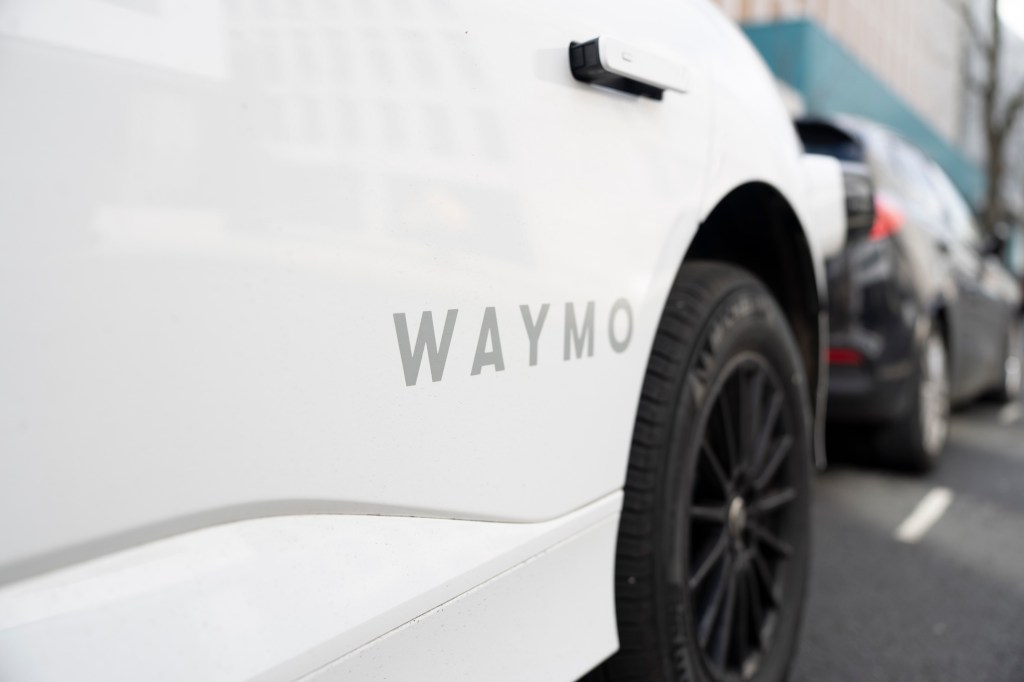
Waymo Advances Toward Launching London’s First Robotaxi Service
Waymo, the autonomous vehicle subsidiary of Alphabet, has initiated testing of its self-driving cars on London’s public roads, marking a significant step toward introducing the city’s first commercial robotaxi service. This development follows the company’s October 2025 announcement of its intention to commence operations in London.
Strategic Preparations and Testing
In preparation for this launch, Waymo has deployed a fleet of approximately 100 all-electric Jaguar I-Pace vehicles, each integrated with the company’s advanced self-driving technology. Initially, these vehicles are operated manually by Waymo employees to map the city’s intricate roadways and gather essential data. This manual phase is crucial for understanding London’s unique traffic patterns and road conditions. Subsequently, the vehicles transition to autonomous testing, with human safety operators present to oversee operations and ensure safety during this critical phase.
The testing encompasses a 100-square-mile area within London, allowing Waymo to assess and refine its technology across diverse urban environments. This extensive coverage is vital for the system to adapt to various driving scenarios, from bustling city centers to quieter residential neighborhoods.
Regulatory Collaboration and Compliance
A pivotal aspect of Waymo’s strategy involves close collaboration with UK regulators. The company is actively working with government bodies to finalize trial program regulations that will govern the operation of autonomous vehicles. This partnership aims to ensure that Waymo’s services align with local laws and safety standards, facilitating a smooth integration into London’s transportation ecosystem.
Dmitri Dolgov, co-CEO of Waymo, highlighted the progress in a LinkedIn post, stating, Core driving AI generalizing very well. Autonomous testing now underway with specialists behind the wheel as we master local nuances and validate performance on UK roads—a key step toward rider-only deployment.
Investment in Local Infrastructure and Workforce
Demonstrating its commitment to the UK market, Waymo is investing in local infrastructure and talent. The company is establishing multiple autonomous vehicle service centers across London to support its operations. Additionally, Waymo is actively recruiting local professionals to join its team, fostering job creation and contributing to the local economy.
The company is also engaging with emergency services to build a robust foundation for its expansion in Europe. This collaboration ensures that first responders are familiar with autonomous vehicle operations, enhancing public safety and confidence in the technology.
Historical Context and Technological Foundations
Waymo’s connection to the UK dates back to 2019 when it acquired Latent Logic, a startup originating from Oxford University’s computer science department. Latent Logic specialized in imitation learning, a form of machine learning that enhances the realism of self-driving car simulations. This acquisition led to the establishment of an engineering hub in Oxford, bolstering Waymo’s research and development capabilities in the region.
Path to Commercial Deployment
Following its established protocol, Waymo plans to progress from autonomous testing with safety operators to driverless testing. Initially, the service will be available to Waymo employees, allowing for internal evaluation and refinement. Upon successful internal trials and obtaining necessary regulatory approvals, the company intends to offer the robotaxi service to the general public.
The timeline for this rollout is contingent upon the UK government finalizing the approval process for autonomous vehicle operations. Waymo’s proactive engagement with regulators and stakeholders is aimed at expediting this process, with the goal of launching the service within the year.
Global Expansion and Competitive Landscape
Waymo’s initiative in London is part of a broader strategy to expand its autonomous ride-hailing services internationally. The company has already established operations in several US cities, including San Francisco, Los Angeles, and Phoenix. In February 2026, Waymo secured $16 billion in funding to scale its robotaxi fleet globally, with plans to enter markets such as Tokyo and London.
The autonomous vehicle sector is witnessing increased activity, with competitors like Uber and Lyft also exploring robotaxi services. In December 2025, both companies announced plans to test Baidu’s Apollo Go robotaxis in London, indicating a growing interest in the city’s market for autonomous transportation solutions.
Conclusion
Waymo’s commencement of autonomous vehicle testing in London signifies a major advancement toward introducing the city’s first robotaxi service. Through meticulous testing, strategic collaborations, and substantial investments in local infrastructure and talent, Waymo is positioning itself at the forefront of the autonomous transportation revolution. As the company navigates regulatory landscapes and technological challenges, its efforts in London could serve as a model for future deployments in other global cities.