Anthropic’s Mythos AI Model: A Game-Changer in Cybersecurity and National Security
Anthropic, a leading artificial intelligence (AI) company, has recently unveiled its latest AI model, Mythos, which is being hailed as a significant advancement in cybersecurity capabilities. This development has garnered attention from both the private sector and government entities, including the Trump administration.
Introduction to Mythos
Announced in early April 2026, Mythos is Anthropic’s most powerful AI model to date. Designed with advanced agentic coding and reasoning skills, Mythos has demonstrated exceptional proficiency in identifying and addressing cybersecurity vulnerabilities. During preliminary tests, the model identified thousands of zero-day vulnerabilities, many of which were critical and had remained undetected for decades. This capability positions Mythos as a transformative tool in the realm of cybersecurity.
Government Briefings and Collaboration
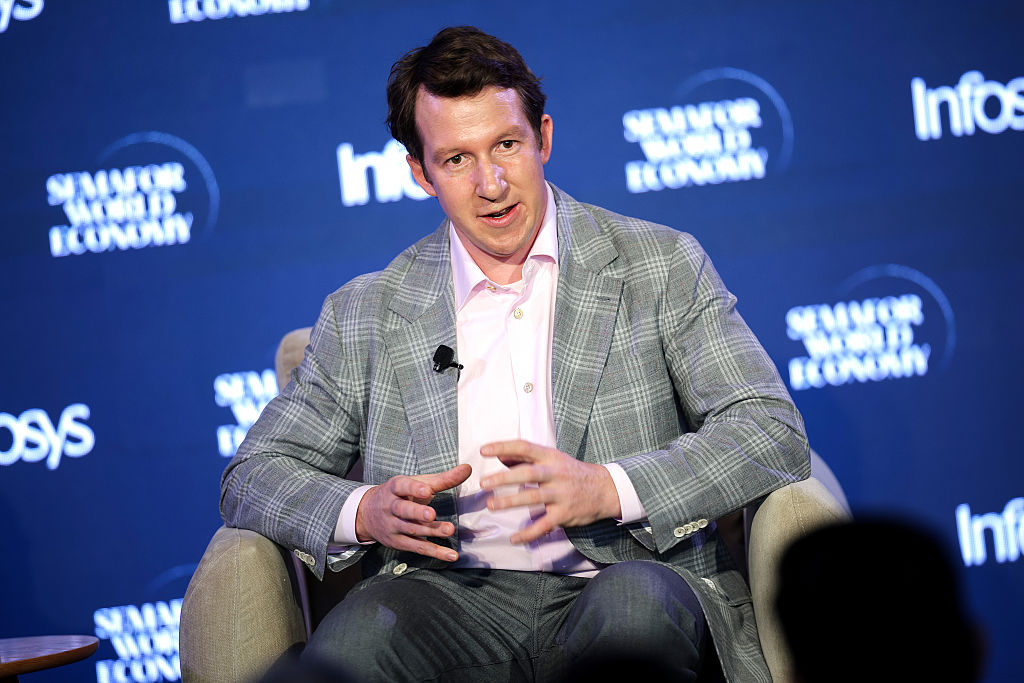
In a recent interview at the Semafor World Economy summit, Jack Clark, co-founder and Head of Public Benefit at Anthropic, confirmed that the company had briefed the Trump administration on the capabilities and potential applications of Mythos. Clark emphasized the importance of government awareness and collaboration in harnessing such advanced technologies for national security purposes. He stated, Our position is the government has to know about this stuff, and we have to find new ways for the government to partner with a private sector that is making things that are truly revolutionizing the economy.
This briefing comes amidst reports that Trump administration officials have been encouraging major financial institutions, including JPMorgan Chase, Goldman Sachs, Citigroup, Bank of America, and Morgan Stanley, to test Mythos for detecting vulnerabilities within their systems. This initiative underscores the administration’s recognition of Mythos’s potential in fortifying critical infrastructure against cyber threats.
Legal Disputes and National Security Implications
Despite the collaborative efforts, Anthropic has been embroiled in legal disputes with the Department of Defense (DOD). In March 2026, the DOD labeled Anthropic a supply-chain risk, a designation typically reserved for foreign adversaries. This action followed Anthropic’s refusal to grant the military unrestricted access to its AI systems for applications such as mass surveillance and fully autonomous weapons. Anthropic CEO Dario Amodei has been vocal about the ethical implications of such uses, stating that certain applications of AI can undermine, rather than defend, democratic values.
In response to the DOD’s designation, Anthropic filed a lawsuit challenging the label, arguing that it was unprecedented and unlawful. The company contended that the government’s actions were retaliatory and infringed upon its constitutional rights. A federal judge later granted an injunction in favor of Anthropic, ordering the Trump administration to rescind the supply-chain risk designation and halt directives that federal agencies cease using Anthropic’s technology.
Balancing Innovation and Ethical Considerations
The development and deployment of Mythos highlight the delicate balance between technological innovation and ethical considerations. While the model’s capabilities offer significant advancements in cybersecurity, they also raise questions about the potential misuse of AI in surveillance and autonomous weaponry. Anthropic’s stance reflects a broader industry debate on the responsible development and application of AI technologies.
Impact on Employment and Education
Beyond national security, the rise of advanced AI models like Mythos has implications for employment and education. Anthropic CEO Dario Amodei has previously warned that rapid AI advancements could lead to unemployment levels reminiscent of the Great Depression. However, Jack Clark offers a more nuanced perspective, noting that while there may be some potential weakness in early graduate employment in certain industries, the company is prepared to address potential employment shifts.
Clark advises that educational pursuits should focus on majors that involve synthesis across various subjects and analytical thinking. He emphasizes the importance of interdisciplinary knowledge and the ability to ask the right questions, as AI provides access to vast amounts of information across different domains.
Conclusion
Anthropic’s Mythos AI model represents a significant milestone in the field of artificial intelligence, particularly in cybersecurity. The collaboration and tensions between Anthropic and the Trump administration underscore the complex interplay between technological innovation, ethical considerations, and national security. As AI continues to evolve, ongoing dialogue and collaboration between the private sector and government will be crucial in navigating the challenges and opportunities that arise.