Apple’s Entry into Foldables Poised to Reshape North American Market Dynamics
The foldable smartphone market in North America has been predominantly led by Samsung and Motorola, with Google Pixel securing a modest yet notable presence. According to Counterpoint Research, as of 2025, Google Pixel accounted for approximately 5% of the foldable market in the region. In contrast, Motorola held a 44% share, while Samsung led with 51%.
The landscape is set for a significant transformation with Apple’s anticipated entry into the foldable segment. Projections indicate that Apple could capture 46% of the North American foldable market by 2026. This surge is expected to coincide with an overall market growth of nearly 50%, yet it will inevitably lead to a redistribution of shares among existing players.
Samsung’s market share is projected to decline from 51% to 29%, and Motorola’s from 44% to 23%. These shifts are anticipated despite both companies’ efforts to innovate and expand their foldable offerings. Samsung is reportedly developing new models, including a Wide book-style foldable, while Motorola is preparing to launch its latest Razr Fold.
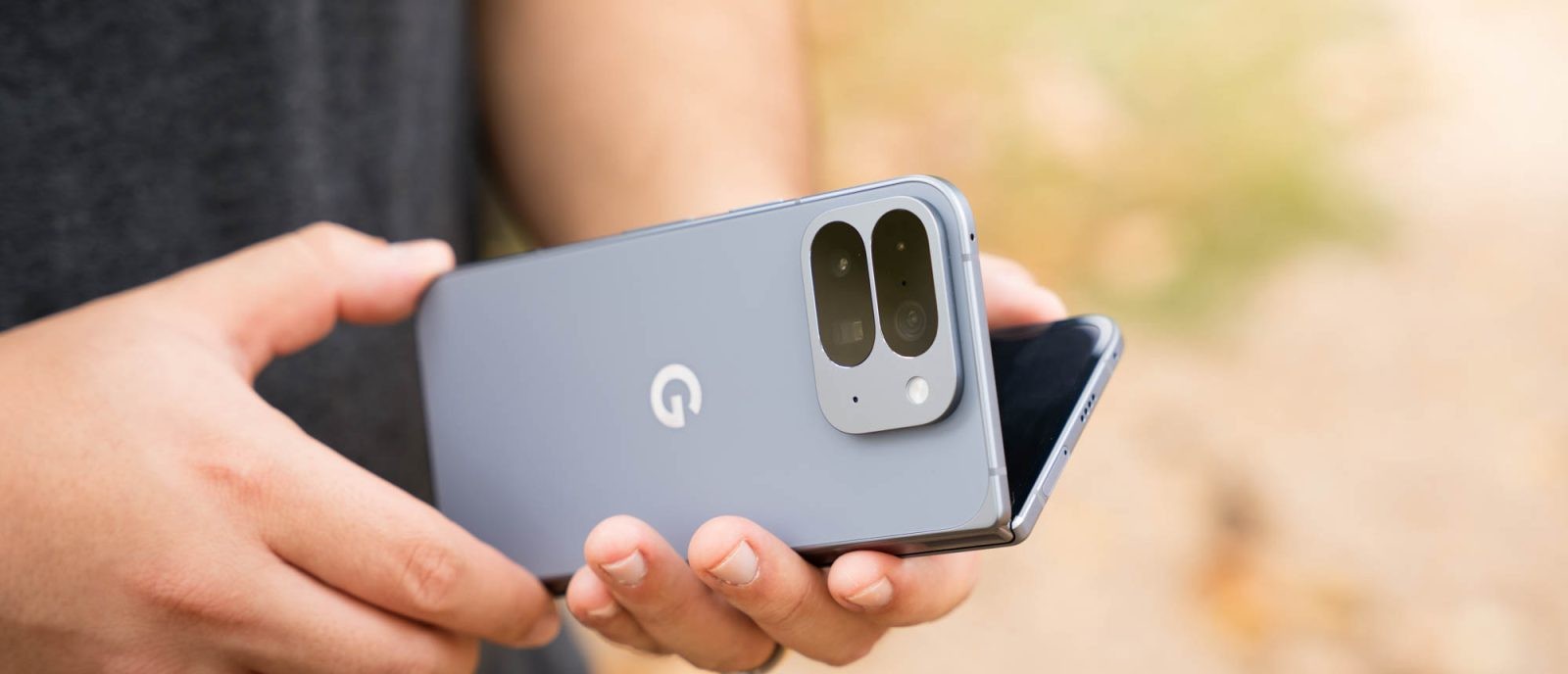
Google Pixel’s share is expected to decrease from 5% to 3%. However, this 40% reduction is proportionally smaller compared to the declines projected for Motorola (48%) and Samsung (43%).
Counterpoint Research attributes Google’s projected decline to the structural reallocation of market shares following Apple’s entry. Given that Google’s single-foldable lineup closely aligns with Apple’s expected device in both form factor and price positioning, part of its existing demand base may shift toward Apple’s ecosystem. As a result, Google’s share is projected to decline from 5% in 2025 to 3% in 2026, despite a product refresh.
Apple’s entry is expected to drive foldable smartphone market expansion by unlocking upgrade demand within its existing iPhone user base, particularly in the ultra-premium segment. At the same time, part of this demand is projected to include replacement demand from existing Android foldable users, suggesting that Apple’s volumes may not be fully incremental to the market in the early stage of 2026.
The anticipated impact of Apple’s entry is substantial but not unexpected. The U.S. market is heavily dominated by the iPhone, and while foldables have enticed some iPhone users to explore Android alternatives, many have been awaiting Apple’s take on the foldable form factor.
Apple is expected to launch its first foldable iPhone in September 2026. In response, Android competitors are accelerating their product cycles. Motorola’s Razr refresh is anticipated in the coming weeks, Samsung is slated to unveil new Galaxy Z devices in late July, and Google typically introduces new models in August.
This impending shift underscores the dynamic nature of the foldable smartphone market and highlights the influence of major players in shaping consumer preferences and market trajectories.