Developer Transforms Nintendo Wii into a Mac OS X Cheetah Machine
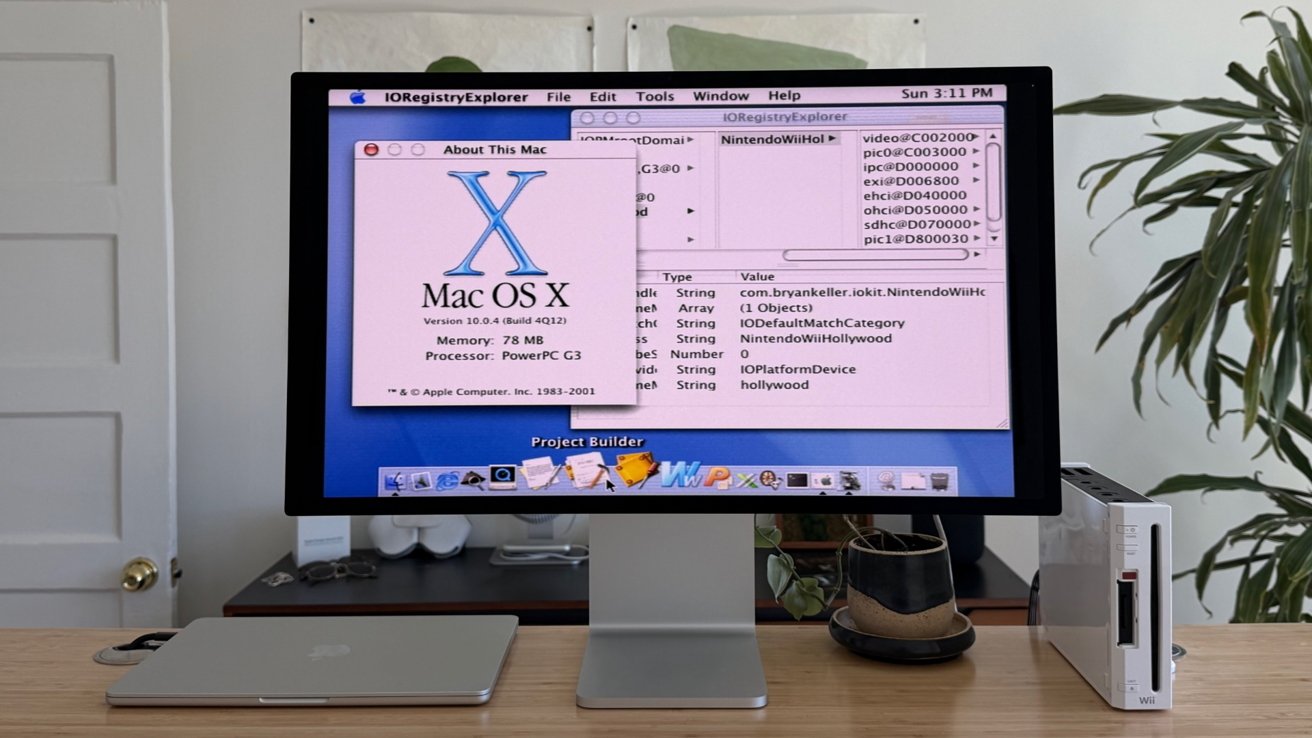
In an extraordinary fusion of gaming and computing history, developer Bryan Keller has successfully ported Apple’s Mac OS X 10.0 Cheetah onto a Nintendo Wii console. This remarkable achievement bridges a 25-year-old operating system with 20-year-old gaming hardware, showcasing the enduring versatility of both platforms.
The Genesis of the Project
The Nintendo Wii, launched in 2006, is powered by an IBM PowerPC 750CL processor. This chip shares its lineage with the PowerPC 750CXe used in Apple’s G3 iBooks and iMacs, making the Wii a surprisingly suitable candidate for running Mac OS X. Recognizing this architectural similarity, Keller embarked on the ambitious journey to marry these two technologies.
Selecting the Appropriate Software
Choosing Mac OS X 10.0 Cheetah was a strategic decision. Released in 2001, Cheetah was designed to operate on PowerPC processors and had modest memory requirements. While it officially required 128MB of RAM, it was known to function on systems with less memory. Given the Wii’s 88MB of RAM, Cheetah emerged as the optimal choice for this endeavor.
Overcoming Technical Hurdles
The process of integrating Mac OS X onto the Wii was fraught with challenges:
– Custom Bootloader Development: Keller crafted a new bootloader tailored to the Wii’s hardware, ensuring seamless communication between the console and the operating system.
– Device Tree Configuration: He meticulously constructed a device tree, detailing the Wii’s components and their functionalities, to facilitate proper hardware recognition by the OS.
– Kernel Patching: Modifications to Apple’s XNU kernel were necessary to accommodate the Wii’s unique hardware specifications.
– Driver Creation: Custom drivers were developed to enable the operating system to interact effectively with the Wii’s hardware components.
Keller’s dedication was evident as he even took his Wii on vacation to continue refining the project, demonstrating an unwavering commitment to overcoming each obstacle.
A Testament to Perseverance
This project underscores the potential of repurposing existing hardware in innovative ways. Keller’s success serves as an inspiration, highlighting that with determination and technical acumen, seemingly insurmountable challenges can be conquered. As he aptly concluded, In the end, I learned (and accomplished) far more than I ever expected. And perhaps more importantly, I was reminded that the projects that seem just out of reach are exactly the ones worth pursuing.