Global Movement to Restrict Children’s Access to Social Media Gains Momentum
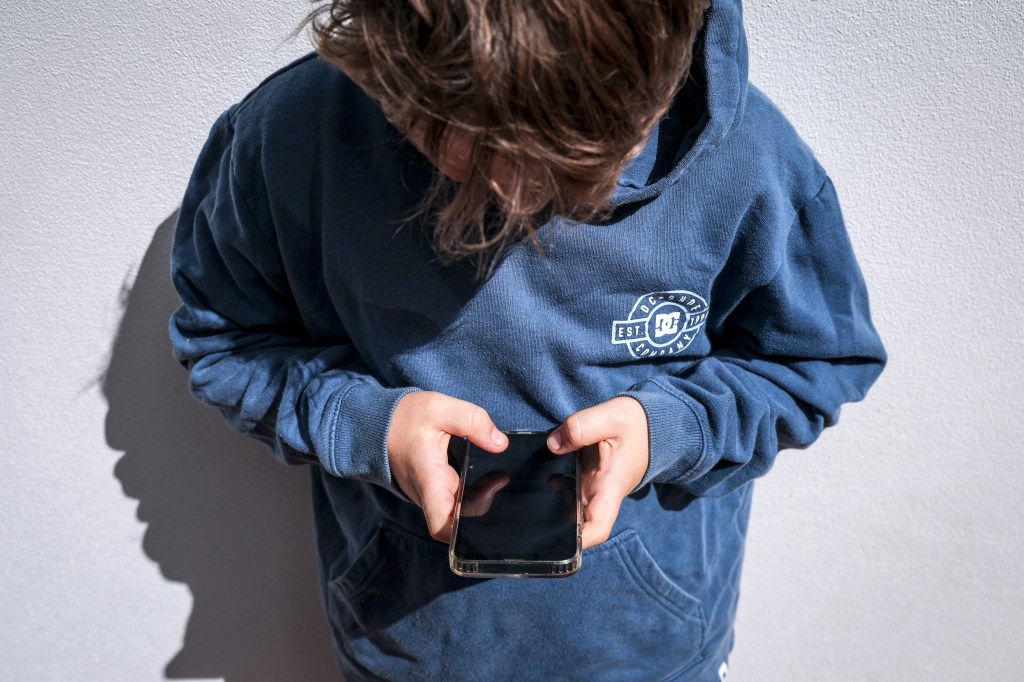
In recent months, a growing number of countries have initiated or proposed legislation aimed at restricting or banning social media access for children and teenagers. These measures are primarily driven by concerns over cyberbullying, addiction, mental health issues, and exposure to inappropriate content. Below is an overview of the countries taking significant steps in this direction:
Australia
In December 2025, Australia became the first country to implement a comprehensive ban on social media usage for individuals under 16. The prohibition encompasses platforms such as Facebook, Instagram, Snapchat, Threads, TikTok, X, YouTube, Reddit, Twitch, and Kick, while excluding WhatsApp and YouTube Kids. The Australian government mandates that these companies employ robust age verification methods beyond self-reported ages. Non-compliance can result in penalties up to $49.5 million AUD ($34.4 million USD).
Denmark
Denmark announced plans in November 2025 to ban social media access for children under 15. The proposal has garnered support from multiple political parties and is expected to become law by mid-2026. The Danish digital affairs ministry is also developing a digital evidence app featuring age verification tools to enforce the ban.
France
In January 2026, French lawmakers passed a bill to prohibit social media usage for individuals under 15. President Emmanuel Macron supports the measure as a means to protect children from excessive screen time. The bill is pending approval from the country’s Senate before a final vote in the lower house.
Germany
In February 2026, German Chancellor Friedrich Merz’s conservatives proposed barring children under 16 from using social media. However, the proposal faces hesitation from center-left coalition partners, indicating potential challenges in achieving consensus.
Greece
Greek Prime Minister Kyriakos Mitsotakis announced in April 2026 that Greece will ban social media access for children under 15 starting January 2027. The initiative aims to address rising anxiety and sleep problems among children, as well as the addictive nature of social media platforms.
Indonesia
In March 2026, Indonesia declared plans to restrict social media access for individuals under 16. The country intends to implement a tiered approach, allowing children aged 13 and above to use lower-risk platforms, while higher-risk platforms will be accessible only to users over 16. Platforms categorized as higher-risk include YouTube, TikTok, Facebook, Instagram, Threads, X, Bigo Live, and Roblox. The regulations are set to be enforced one year after their signing on March 28, 2026.
Malaysia
In November 2025, Malaysia announced plans to ban social media access for children under 16, with implementation expected within the year.
Slovenia
Slovenia is drafting legislation to prohibit children under 15 from accessing social media. The government aims to regulate platforms where content is shared, citing examples such as TikTok, Snapchat, and Instagram.
Spain
In February 2026, Spain’s Prime Minister announced plans to ban social media for individuals under 16. The proposal requires parliamentary approval. Additionally, the Spanish government seeks to hold social media executives personally accountable for hate speech on their platforms.
United Kingdom
The United Kingdom is considering a ban on social media for children under 16. The government plans to consult with parents, young people, and civil society to assess the effectiveness of such a ban. It will also explore requiring social media companies to limit or remove features that encourage compulsive use, such as endless scrolling.
India’s Karnataka State
In March 2026, the Indian state of Karnataka, home to the tech hub of Bengaluru, announced plans to ban social media usage for children under 16. The state’s Chief Minister, Siddaramaiah, highlighted the move as a measure to prevent adverse effects on children from mobile phone use. Details on enforcement mechanisms are yet to be disclosed.
Industry Perspectives
The movement to restrict children’s access to social media has also garnered support from industry leaders. In March 2026, Pinterest CEO Bill Ready called for governments to ban social media for users under 16, emphasizing the need to protect youth from the potential harms of unfiltered access to these platforms. He praised Australia’s initiative and urged other governments to follow suit if tech companies fail to prioritize youth safety.
Challenges and Criticisms
While these measures aim to protect young users, they have sparked debates over privacy, effectiveness, and enforcement. Critics, including organizations like Amnesty Tech, argue that such bans may be ineffective and overlook the realities of younger generations’ digital engagement. Concerns also arise regarding invasive age verification processes and potential overreach by governments.
Conclusion
The global trend toward restricting children’s access to social media reflects a growing recognition of the potential risks associated with these platforms. As countries implement and refine these measures, ongoing dialogue among governments, industry leaders, and civil society will be crucial to balance the protection of young users with respect for privacy and digital rights.