Apple’s Vision Pro: Pioneering Modular and Upgradeable Design
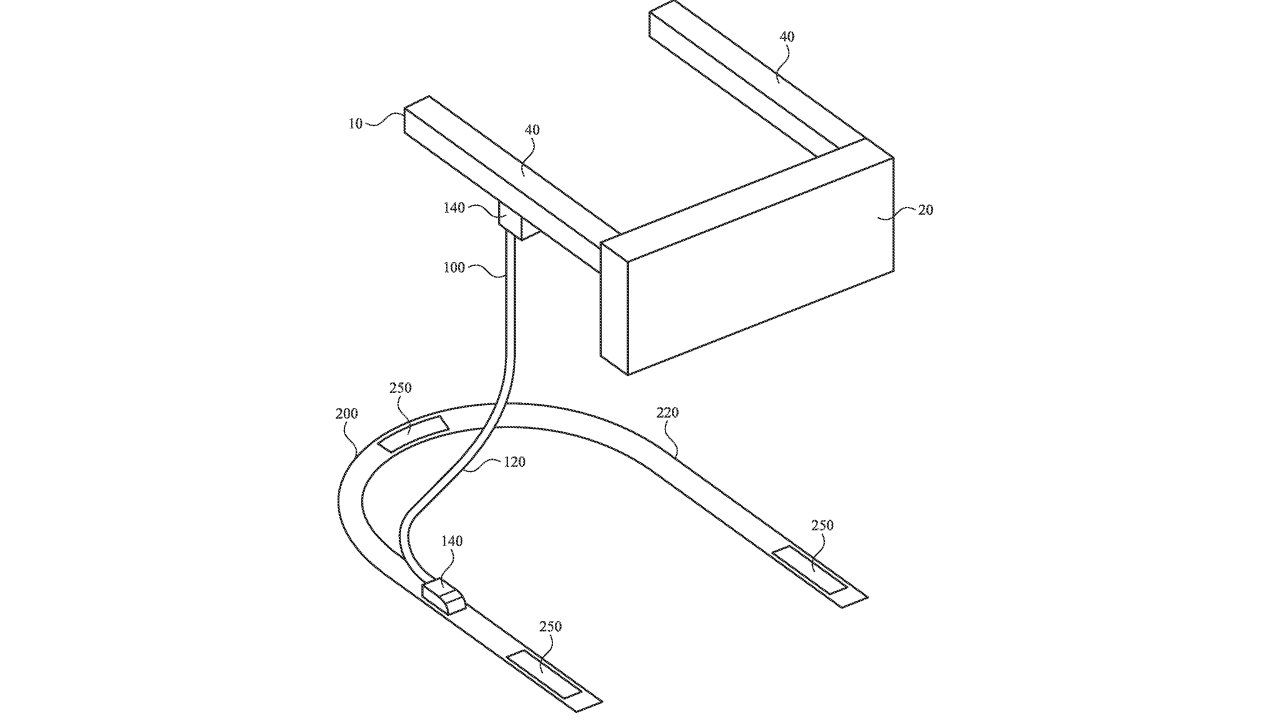
Apple is exploring innovative avenues to enhance the adaptability and longevity of its Vision Pro headset. A recently granted patent titled Head-mountable device with connectable accessories reveals the company’s ambition to develop a modular and upgradeable version of the Vision Pro. This design would empower users to customize their devices by attaching or detaching various components, such as batteries, frames, and specialized sensors, according to their evolving needs.
The patent outlines a vision where the core headset doesn’t house all functionalities permanently. Instead, users can expand and tailor capabilities through accessory devices. This modular approach allows for easy connection of external devices, providing different components and functions as desired. For instance, users could opt for a high-resolution display and extended battery life at home, or a more compact form factor when on the go.
This flexibility could also open doors for third-party manufacturers to create niche components for specialized applications, such as scientific sensors or advanced cameras. By supporting high-bandwidth data transfer, the Vision Pro could accommodate demanding accessories used in fields like ophthalmology, medicine, and manufacturing. This expansion would not only enhance the device’s versatility but also broaden its market appeal.
The patent suggests that users might have the option to choose between different configurations, such as prioritizing high-resolution displays and long battery life or opting for a smaller, lighter headset. This user-centric approach allows individuals to tailor the device to their specific preferences and use cases.
While the patent doesn’t explicitly mention a build-to-order system, it implies that users could make these choices at any time, adapting the device as their needs change. For example, a user might prefer a high-resolution display at home but opt for longer battery life when traveling.
The patent also delves into the mechanics of attaching and detaching components, proposing both mechanical engagement and operational communication between connected devices. This design would allow users to swap out displays, batteries, and other components to suit their current requirements.
Given Apple’s history of maintaining control over its hardware ecosystem, it’s likely that the company would offer its own range of Vision Pro accessories. However, if Apple chooses to open the platform to third-party developers, it could significantly expand the device’s capabilities and market reach.
The patent is credited to six inventors, including lead inventor Darshan R. Kasar, who has previously worked on related patents concerning removable support accessories for headsets like the Vision Pro.
In summary, Apple’s exploration of a modular and upgradeable Vision Pro headset signifies a potential shift towards more customizable and user-centric device designs. By allowing users to tailor their devices to their specific needs, Apple could enhance user satisfaction and extend the product’s lifecycle, aligning with the growing demand for sustainable and adaptable technology.