Apple Showcases Third-Party Apps Embracing ‘Liquid Glass’ Design in Updated Gallery
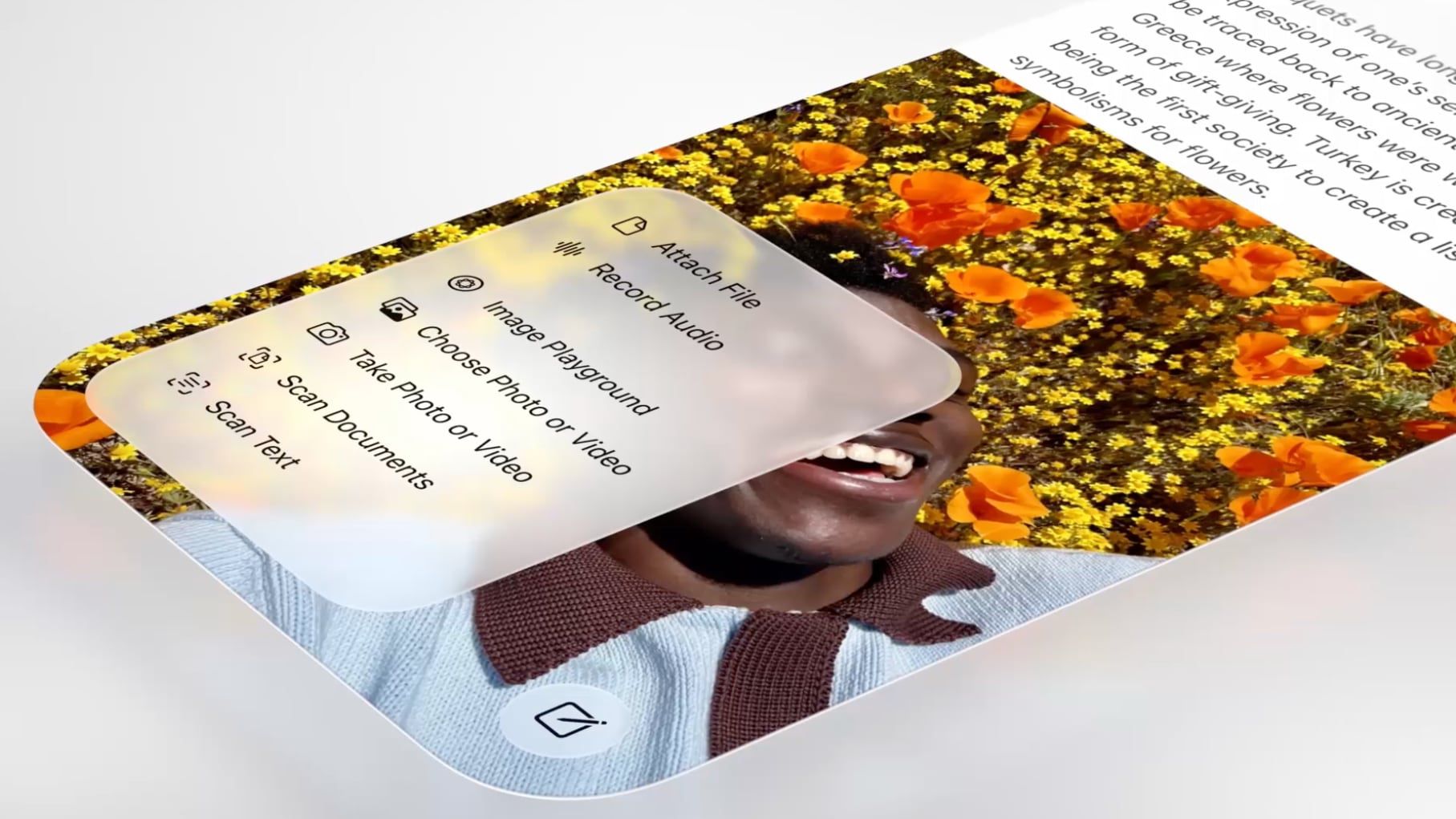
Apple continues to spotlight its innovative ‘Liquid Glass’ design language introduced with iOS 26, iPadOS 26, and macOS 26 by unveiling an updated design gallery. This gallery highlights how third-party developers are integrating the ‘Liquid Glass’ aesthetic into their applications, enhancing user experiences across Apple platforms.
The visual showcase features a selection of iPhone and iPad applications, providing side-by-side comparisons of app designs in iOS 18 and iOS 26. This comparison underscores the transformative impact of the ‘Liquid Glass’ design, which introduces translucent, dynamic interface elements that reflect and refract surroundings, creating a more immersive and responsive user interface.
Among the highlighted applications are AllTrails, Carrot Weather, Fantastical, Kroger, SketchPro, Trello, and Le Monde. These apps have adopted ‘Liquid Glass’ elements such as transparent tab bars, navigation buttons, and bottom toolbars. Additionally, they have implemented pop-out menu interfaces and separate search buttons, aligning with the design principles Apple has incorporated into its native applications.
Apple’s commitment to promoting the ‘Liquid Glass’ aesthetic is evident in its continuous efforts to provide developers with resources and inspiration. Following the initial launch of iOS 26, Apple shared a design gallery showcasing ‘Liquid Glass’ implementations. The latest update builds upon this foundation, offering fresh examples of how the design language can be effectively utilized to create natural and responsive experiences.
Since the debut of ‘Liquid Glass,’ Apple has introduced subtle enhancements, such as adding a slider bar to the Lock Screen clock for adjusting the ‘Liquid Glass’ level. While no major updates have been introduced, rumors suggest that upcoming versions, including iOS 27, iPadOS 27, and macOS 27, will continue to feature the ‘Liquid Glass’ aesthetic with minimal changes. There is speculation that Apple may introduce a system-wide slider bar for ‘Liquid Glass’ opacity adjustments, providing users with greater control over the visual experience.
The ‘Liquid Glass’ design represents a significant evolution in Apple’s user interface approach, emphasizing depth, translucency, and dynamic responsiveness. By showcasing third-party applications that embrace this design language, Apple aims to inspire developers to create more engaging and visually cohesive experiences for users across its ecosystem.