Iran’s Escalating Threats Target Middle East AI Data Centers Amid Rising Tensions
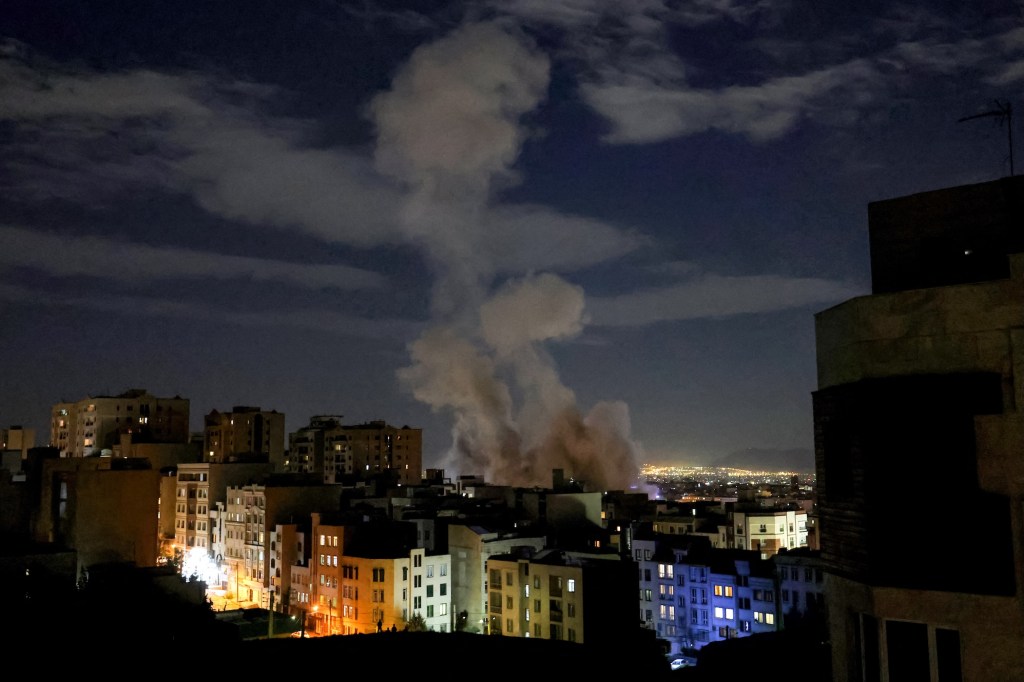
In a rapidly intensifying geopolitical landscape, Iran has issued stern warnings of potential attacks on data centers throughout the Middle East. This development comes as a direct response to the United States’ recent threats and airstrikes targeting Iranian infrastructure.
Iran’s Stance and Military Warnings
Iranian military spokesperson Ebrahim Zolfaghari, in a widely circulated video released late last week, declared that any U.S. actions against Iran’s civilian infrastructure would be met with retaliatory strikes on American energy and technological assets in the region. The video notably zooms in on the Stargate data center located in the United Arab Emirates, accompanied by the ominous message: Nothing stays hidden to our sight, though hidden by Google.
The Stargate Initiative: A High-Stakes Venture
The Stargate project, announced in January 2025, is a monumental $500 billion collaboration between OpenAI, SoftBank, and Oracle aimed at constructing advanced AI data centers. Despite its ambitious goals, the initiative has faced significant hurdles, including funding challenges and tariff-related costs, prompting considerations for international expansion to bolster its infrastructure.
U.S. Ultimatum and Strategic Implications
The latest Iranian threats follow a stark ultimatum from U.S. President Trump, who has vowed to target Iran’s civilian infrastructure—such as power plants and water desalination facilities—by the end of Tuesday if Iran does not reopen the Strait of Hormuz. This strategic waterway is vital for global shipping, and its closure since the onset of the conflict in February has severely disrupted international supply chains.
Escalation of Attacks on Data Centers
The conflict has already seen tangible impacts on regional data centers. Iranian missile strikes have damaged Amazon Web Services (AWS) facilities in Bahrain and an Oracle data center in Dubai. Additionally, Iran has explicitly threatened major tech companies, including Nvidia and Apple, signaling a broader strategy to disrupt technological infrastructure in retaliation against U.S. actions.
Broader Context: The AI Data Center Boom and Its Vulnerabilities
The surge in AI data center development has been a defining trend in recent years. OpenAI’s Stargate project, for instance, has been a focal point of this expansion, with plans to build multiple facilities across the United States and considerations for international sites in the UK, Germany, and France. However, this rapid growth has not been without challenges. Reports have highlighted funding shortfalls and logistical issues, raising questions about the project’s viability and resilience in the face of geopolitical tensions.
Public Opposition and Environmental Concerns
Beyond geopolitical risks, the proliferation of AI data centers has sparked public opposition and environmental concerns. Communities across the United States have voiced apprehensions about the environmental impact and resource consumption associated with these massive facilities. Legislative actions, such as proposed moratoriums on new data center constructions in states like New York, reflect a growing resistance to unchecked expansion in this sector.
Cybersecurity Threats Amid Military Conflicts
The intersection of military conflicts and cybersecurity has become increasingly evident. Recent U.S. and Israeli airstrikes on Iranian targets were accompanied by cyberattacks that disrupted Iranian internet services and flooded local applications with unsolicited notifications. These incidents underscore the multifaceted nature of modern warfare, where physical and digital infrastructures are simultaneously targeted to maximize disruption.
Conclusion: Navigating a Complex and Volatile Landscape
The escalating threats from Iran against AI data centers in the Middle East highlight the intricate interplay between technological infrastructure and geopolitical dynamics. As nations and corporations continue to invest heavily in AI capabilities, the need for robust security measures and strategic foresight becomes paramount. Stakeholders must navigate this volatile environment with caution, balancing technological advancement with the imperative of safeguarding critical assets against emerging threats.