SpaceX’s Ambitious Leap: Orbital Data Centers and a $1.75 Trillion Valuation
SpaceX, under the leadership of Elon Musk, has confidentially filed for an initial public offering (IPO) aiming to raise $75 billion, positioning the company’s valuation at a staggering $1.75 trillion. Central to this ambitious valuation is Musk’s vision of establishing orbital data centers, a concept that has garnered significant attention and debate within the tech and aerospace industries.
The Genesis of Orbital Data Centers
The idea of placing data centers in orbit is not entirely new but has gained momentum in recent years. In February 2026, SpaceX acquired xAI, Musk’s artificial intelligence startup, with the explicit goal of creating space-based data centers. Musk highlighted the limitations of terrestrial data centers, emphasizing their immense power and cooling requirements, which pose environmental and infrastructural challenges. He argued that space-based data centers could alleviate these issues by harnessing solar power and operating in the vacuum of space, thereby reducing the ecological footprint and meeting the escalating demands of AI computing.
Regulatory Hurdles and Strategic Moves
In January 2026, SpaceX sought approval from the Federal Communications Commission (FCC) to launch a constellation of up to one million solar-powered satellites designed to function as data centers for artificial intelligence. This ambitious plan aims to position SpaceX as a leader in the burgeoning field of orbital computing. However, the proposal has faced scrutiny due to concerns about space debris and the feasibility of managing such a vast network of satellites.
To bolster its position, SpaceX officially merged with xAI in February 2026, consolidating its resources and expertise in both space exploration and artificial intelligence. This strategic move not only enhances SpaceX’s capabilities but also aligns with Musk’s broader vision of integrating AI with space technology.
Industry Trends and Competitive Landscape
SpaceX is not alone in its pursuit of orbital data centers. Startups like Starcloud have entered the fray, raising significant capital to develop space-based computing solutions. In March 2026, Starcloud secured $170 million in a Series A funding round, achieving a valuation of $1.1 billion. The company’s rapid ascent underscores the growing interest and investment in this sector.
Moreover, tech giants such as Google have announced initiatives like Project Suncatcher, aiming to deploy prototype orbital data centers by 2027. These developments indicate a broader industry trend towards exploring space as a viable platform for data processing and storage, driven by the increasing demands of AI and the limitations of terrestrial infrastructure.
Economic and Technical Challenges
Despite the enthusiasm, the economics of orbital data centers present significant challenges. Analyses suggest that the cost of establishing and maintaining space-based data centers could be substantially higher than their terrestrial counterparts. Factors such as satellite manufacturing, launch expenses, and maintenance contribute to the elevated costs. For instance, a 1-gigawatt orbital data center might cost approximately $42.4 billion, nearly three times the cost of a similar facility on Earth.
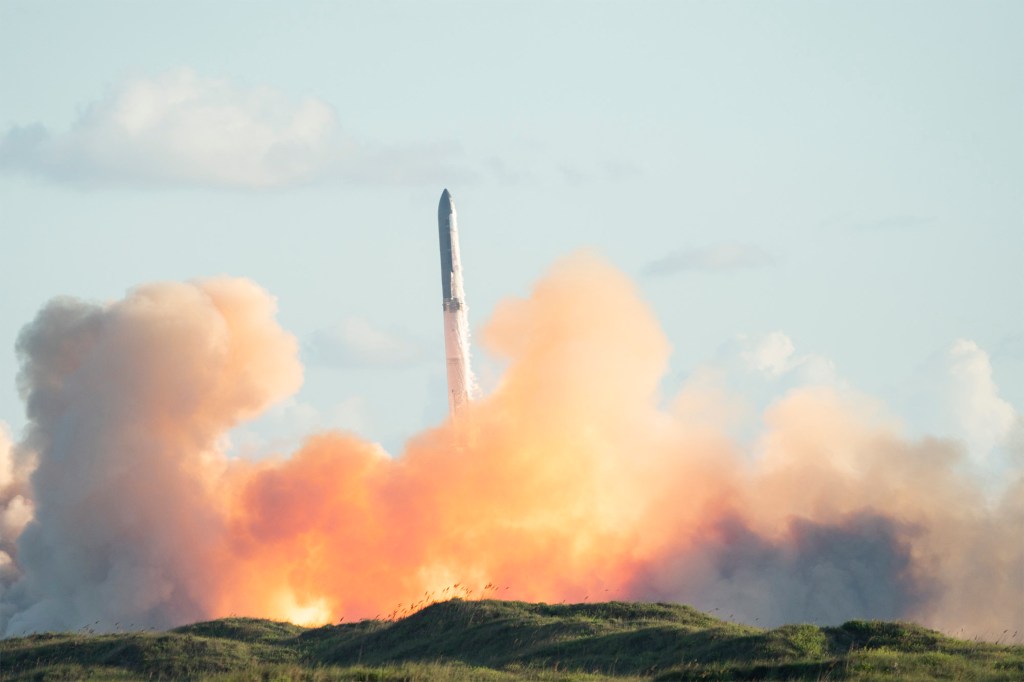
Additionally, the success of such ventures heavily relies on advancements in launch technology. SpaceX’s Starship, a next-generation reusable rocket, is pivotal to reducing launch costs and making orbital data centers economically viable. However, as of early 2026, Starship has yet to achieve full operational status, with ongoing tests and developments shaping its trajectory.
Environmental and Regulatory Considerations
The deployment of a massive constellation of satellites raises concerns about space debris and the long-term sustainability of Earth’s orbital environment. Regulatory bodies like the FCC are tasked with balancing innovation with safety and environmental stewardship. The approval process for such large-scale projects involves rigorous assessments to mitigate potential risks associated with increased satellite traffic and debris management.
Conclusion
SpaceX’s pursuit of orbital data centers represents a bold step towards redefining data infrastructure and justifying its monumental valuation. While the vision is compelling, it is fraught with technical, economic, and regulatory challenges. The coming years will be crucial in determining whether SpaceX and its competitors can overcome these hurdles to realize the potential of space-based data centers.