Tesla Bids Farewell to Model S and Model X, Paving the Way for the Cybercab Era
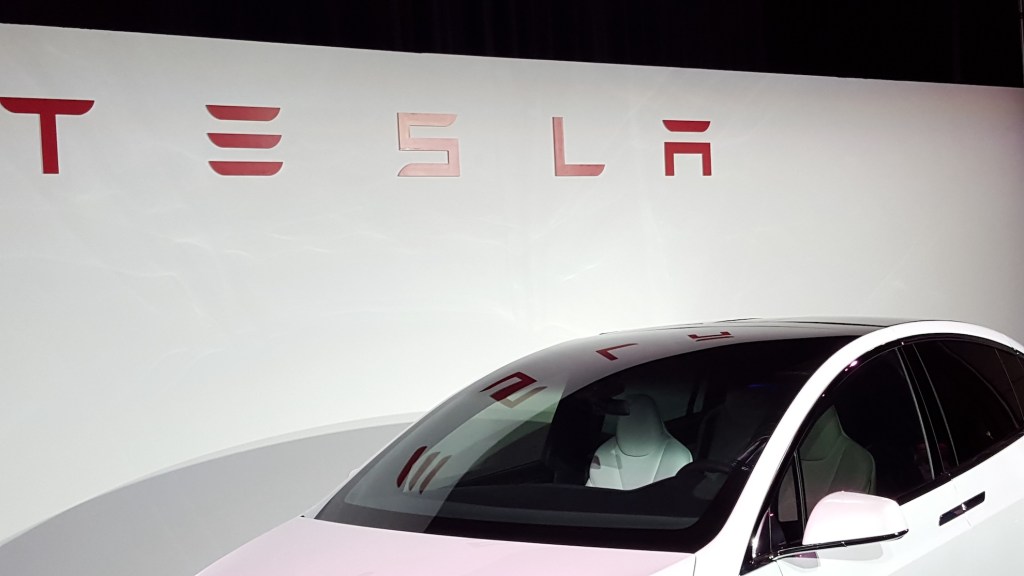
Tesla has officially ceased production of its pioneering electric vehicles, the Model S sedan and Model X SUV, marking the end of an era that began over a decade ago. CEO Elon Musk confirmed the discontinuation, stating that custom orders for both models have concluded, with only a limited inventory remaining. This strategic shift underscores Tesla’s commitment to advancing autonomous vehicle technology, particularly with the upcoming Cybercab.
The Rise and Decline of Model S and Model X
Introduced in 2012, the Model S was Tesla’s first mass-produced electric vehicle, setting new standards for performance and range in the EV market. The Model X followed in 2015, captivating consumers with its distinctive falcon-wing doors and spacious interior. Together, these models played a pivotal role in establishing Tesla as a formidable player in the automotive industry.
However, in recent years, sales of the Model S and Model X have declined. In 2025, Tesla delivered approximately 50,850 units of these models combined, a stark contrast to the 1.6 million Model 3 and Model Y vehicles sold in the same period. This shift in consumer preference towards more affordable and versatile models has influenced Tesla’s decision to phase out its flagship vehicles.
Transitioning to Autonomous Innovations
Elon Musk has articulated Tesla’s vision of a future dominated by autonomous transportation. During a recent earnings call, he emphasized the company’s focus on autonomy, stating, We’re really moving into a future that is based on autonomy. This vision is materializing through projects like the Optimus humanoid robot and the Cybercab, an all-electric, two-seater autonomous vehicle unveiled as a concept in 2024.
Production of the Cybercab is slated to commence this month at Tesla’s Austin, Texas factory. This vehicle is designed to revolutionize urban mobility by offering a fully autonomous ride-hailing experience. The Cybercab aims to address the growing demand for efficient, sustainable, and autonomous transportation solutions in urban environments.
Implications for the EV Market
Tesla’s decision to discontinue the Model S and Model X reflects a broader industry trend towards autonomous and shared mobility solutions. By reallocating resources from traditional EV production to autonomous vehicle development, Tesla is positioning itself at the forefront of this transformation.
This strategic pivot also highlights the challenges faced by legacy automakers in adapting to rapidly evolving consumer preferences and technological advancements. As Tesla focuses on autonomy, competitors may need to accelerate their own autonomous vehicle initiatives to remain competitive in the evolving automotive landscape.
Looking Ahead
As Tesla bids farewell to the Model S and Model X, the company’s focus is firmly set on the future of autonomous transportation. The introduction of the Cybercab represents a significant step towards realizing Musk’s vision of a fully autonomous vehicle fleet. While the transition may evoke nostalgia among enthusiasts of Tesla’s early models, it also signals the dawn of a new era in automotive innovation.
In conclusion, Tesla’s strategic shift from its pioneering electric vehicles to autonomous innovations like the Cybercab underscores the company’s commitment to leading the next wave of transportation technology. As the automotive industry continues to evolve, Tesla’s focus on autonomy positions it as a key player in shaping the future of mobility.