Michael Spindler: The CEO Who Introduced Macintosh Clones
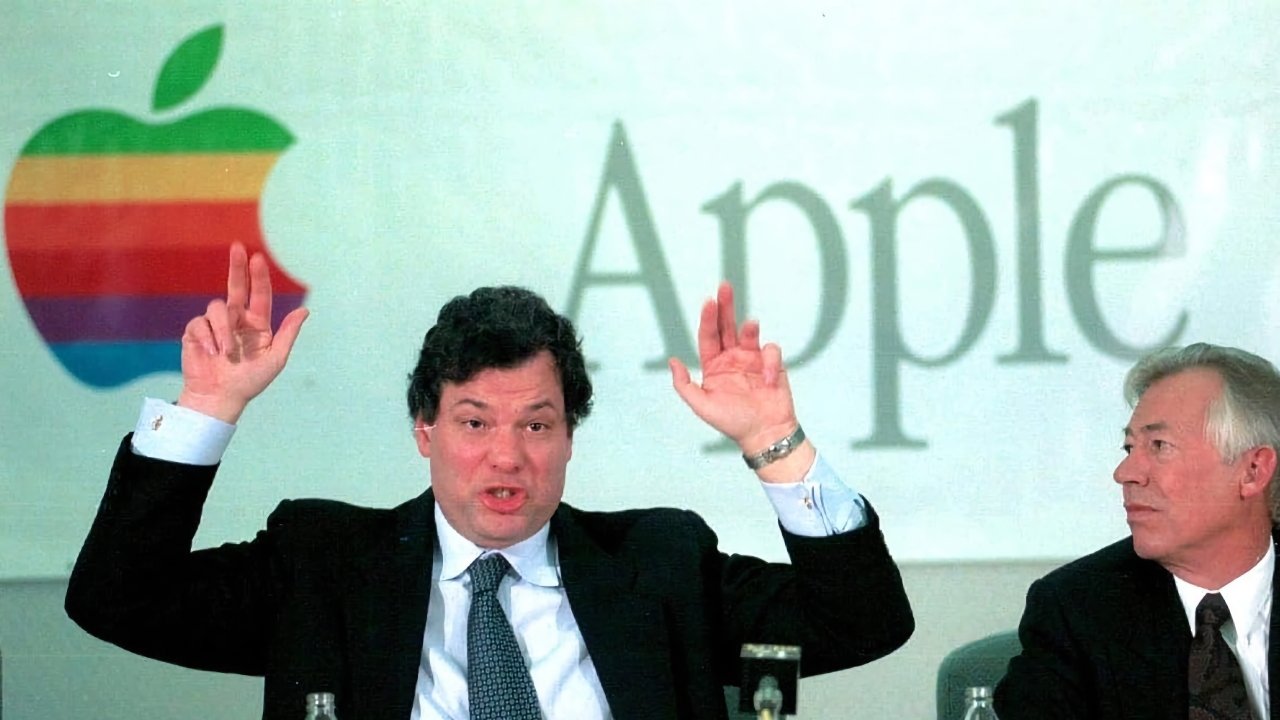
Michael Spindler, often referred to as The Diesel for his relentless work ethic, played a pivotal role in Apple’s history during the early 1990s. Born in Germany, Spindler joined Apple in 1980 and quickly ascended through the ranks, eventually becoming the company’s Chief Operating Officer. In 1993, amidst internal challenges and external competition, he succeeded John Sculley as Apple’s CEO.
Spindler’s tenure was marked by significant technological advancements and strategic decisions aimed at revitalizing Apple’s market position. One of his notable achievements was overseeing the transition from Motorola processors to the PowerPC architecture. This shift led to the launch of the Power Macintosh series, including models like the 6100, 7100, and 8100. These computers were well-received, with Apple selling $9.2 billion worth of Macs in the first six months, propelling the company to the top of the computer sales charts in the third quarter of 1994.
However, Spindler faced challenges in maintaining this momentum. The proliferation of numerous, often indistinguishable Mac models led to consumer confusion and a subsequent 12% drop in sales during the 1994 holiday season. In response, Spindler made a controversial decision: he licensed the Macintosh operating system to third-party manufacturers, allowing them to produce Mac clones.
This strategy was inspired by the success of IBM PC clones, which had significantly expanded the PC market. Spindler believed that by controlling the operating system, Apple could benefit from increased market share without compromising its software integrity. However, the plan did not unfold as intended. Few manufacturers were interested in producing Mac clones, and those that did primarily targeted existing Apple customers, offering them similar products at lower prices. This cannibalized Apple’s own sales without significantly expanding the overall market.
Spindler’s leadership style was characterized by his intense focus on technology and product development, often at the expense of public relations. He was known for his reluctance to engage with the media, which led to a lack of public visibility for Apple’s leadership during his tenure. His first public appearance as CEO was a brief nine-minute speech at the 1993 Seybold Conference, which received a lukewarm reception.
Despite his efforts, Spindler’s strategies did not yield the desired turnaround for Apple. The company’s financial performance continued to decline, leading to his departure in 1996. He was succeeded by Gil Amelio, who faced the daunting task of steering Apple back to profitability.
Reflecting on Spindler’s tenure, it’s evident that his decisions were driven by a deep understanding of technology and a desire to innovate. However, the challenges of market dynamics, consumer behavior, and internal management complexities proved formidable. His legacy serves as a reminder of the delicate balance between innovation, market strategy, and leadership visibility in the tech industry.