Tesla’s Affordable Models Fail to Reverse Declining Sales Trend
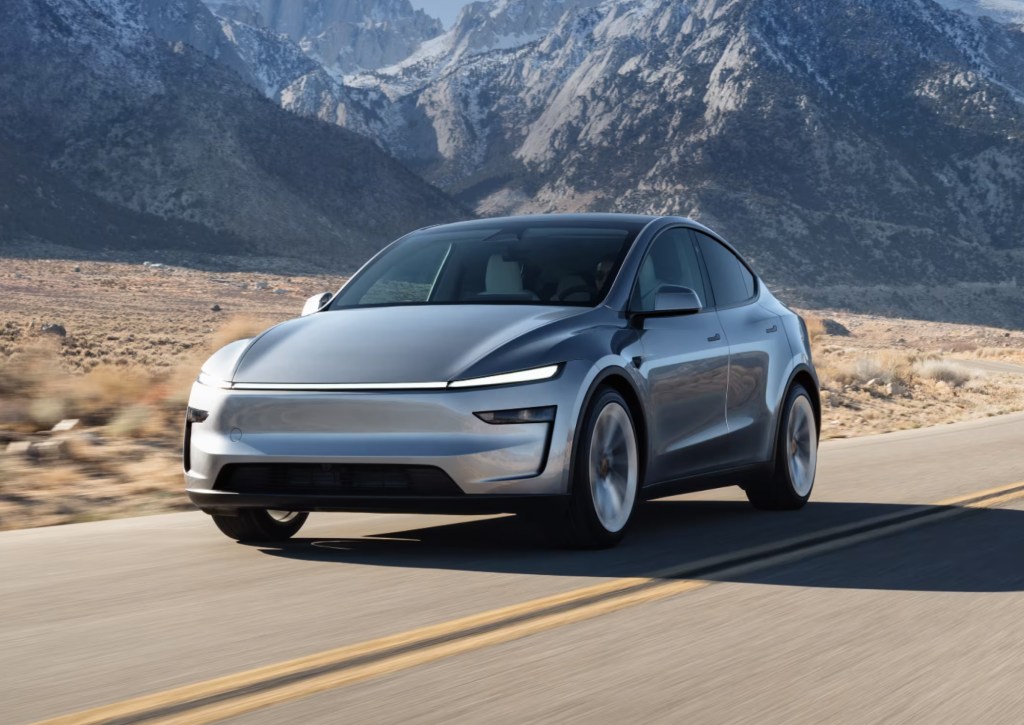
In October 2025, Tesla introduced more affordable versions of its Model Y and Model 3 vehicles, priced at $39,990 and $36,990 respectively. Despite these efforts to attract a broader customer base, the company’s first-quarter sales figures for 2026 indicate that these models have not significantly boosted overall sales.
During the first quarter of 2026, Tesla delivered 358,023 electric vehicles (EVs) globally, falling short of analysts’ expectations of approximately 368,000. The company produced 408,386 vehicles in the same period, resulting in a surplus of over 50,000 units. This delivery figure represents only a 6% increase compared to the first quarter of 2025, which was one of Tesla’s weakest quarters in recent years. The 2025 figures were impacted by temporary production line shutdowns for equipment upgrades, suggesting that the 2026 numbers may not reflect substantial improvement.
These underwhelming sales figures are particularly concerning for a company that once aimed for a 50% annual growth in EV sales. The disappointing first quarter raises the possibility of Tesla experiencing a third consecutive year of declining overall sales, coinciding with a period of decreasing profits.
Tesla is not alone in facing challenges within the EV market, especially in the United States. Traditional automakers have scaled back or even canceled ambitious EV projects. New entrants like Rivian have also struggled; the company reported just over 10,000 vehicle deliveries in the first quarter, a figure consistent with previous quarters. Rivian is preparing to launch its more affordable R2 SUV, expected to boost sales, though the base model won’t be available until late 2027.
In contrast, Tesla lacks a new mass-market vehicle ready for release. The company had been developing a lower-cost EV priced around $25,000, but CEO Elon Musk canceled the project to focus on the CyberCab. Instead, Tesla introduced the stripped-down versions of the Model Y and Model 3.
The only genuinely new model Tesla has launched in recent years is the Cybertruck. While it has outperformed other all-electric trucks, it has not met Tesla’s or Musk’s high expectations. In the first quarter of 2026, Tesla sold only 16,130 units of other models, a category that includes the Cybertruck and the now-discontinued Model S and Model X.
These developments underscore the challenges Tesla faces in maintaining its growth trajectory amid increasing competition and market saturation. The introduction of more affordable models has not provided the anticipated boost in sales, prompting questions about the company’s future strategies and product offerings.