Meta’s Hyperion Data Center: A Natural Gas Powerhouse Matching South Dakota’s Energy Consumption
In the rapidly evolving landscape of artificial intelligence, the demand for computational power has surged to unprecedented levels. Meta’s latest endeavor, the Hyperion AI data center, epitomizes this trend. Upon completion, Hyperion is projected to consume an amount of electricity comparable to the entire state of South Dakota.
To meet this colossal energy requirement, Meta has committed to funding seven additional natural gas power plants in Louisiana, supplementing the three previously announced. Collectively, these ten facilities will generate approximately 7.5 gigawatts of electricity, slightly surpassing South Dakota’s total capacity.
Historically, Meta has positioned itself as a proponent of environmental sustainability. The company regularly publishes sustainability reports and has made significant investments in renewable energy sources. Notably, Meta secured a 20-year agreement to purchase the clean energy attributes of the Clinton Clean Energy Center, a 1.1-gigawatt nuclear power plant in Illinois, effectively ensuring its operation through 2047.
The decision to power the Hyperion data center predominantly with natural gas raises questions about Meta’s environmental commitments. Natural gas has often been labeled a bridge fuel, intended to serve as a transitional energy source while renewable technologies mature. However, this rationale has been in use for decades, and with the plummeting costs of renewables and energy storage solutions, reliance on natural gas appears increasingly outdated.
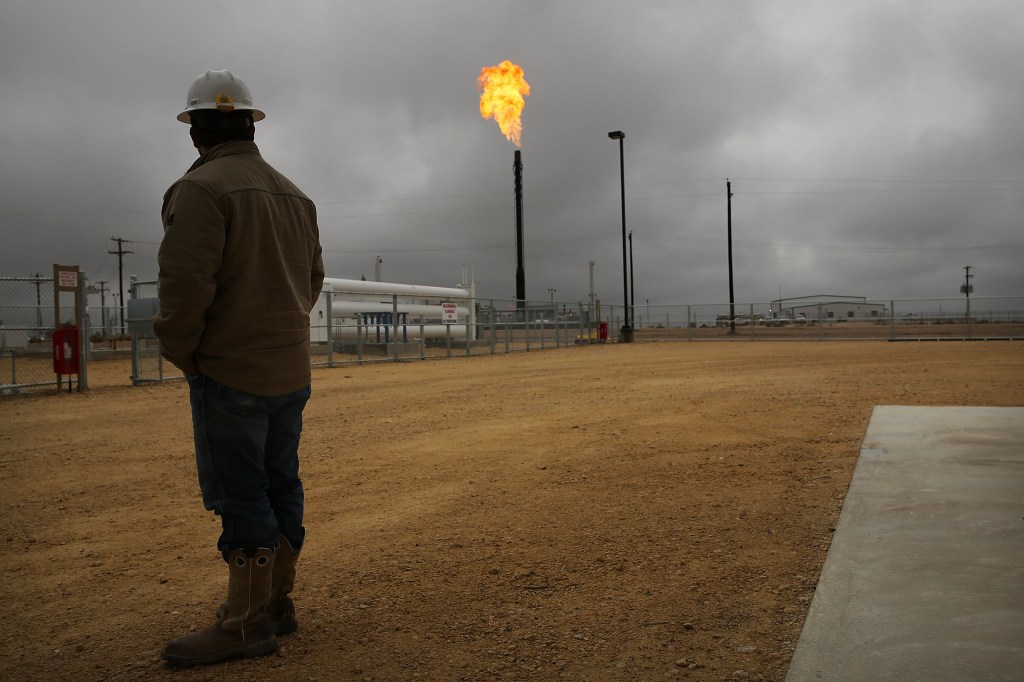
The environmental implications of this strategy are significant. The planned natural gas plants are estimated to emit 12.4 million metric tons of CO₂ annually. This figure exceeds Meta’s entire carbon footprint in 2024 by 50%. Moreover, this estimate does not account for methane leaks throughout the natural gas supply chain. Methane, the primary component of natural gas, has a global warming potential 84 times greater than CO₂ over a 20-year period. Even minimal leakage rates can render natural gas more detrimental to the climate than coal.
Meta’s latest sustainability report conspicuously omits any mention of methane emissions or the environmental impact of natural gas. This omission is concerning, given the substantial role natural gas is poised to play in the company’s energy portfolio.
While Meta may pursue carbon offset initiatives to mitigate these emissions, the scale of the required offsets is daunting. Additionally, accurately accounting for methane leaks presents a complex challenge. As Meta continues to expand its data center operations, a transparent and comprehensive approach to its environmental impact is imperative.