Hackers Leverage EtherRAT and EtherHiding to Conceal Malware Infrastructure on Ethereum
In a significant advancement in cyberattack methodologies, threat actors are deploying a sophisticated backdoor known as EtherRAT, which utilizes the Ethereum blockchain to obscure its command-and-control (C2) infrastructure. This innovative approach complicates detection and mitigation efforts, posing substantial challenges for cybersecurity professionals.
Understanding EtherRAT
EtherRAT is a Node.js-based malware that grants attackers comprehensive remote control over compromised systems. Its capabilities include executing arbitrary commands, exfiltrating sensitive data, and harvesting cryptocurrency wallets and cloud service credentials. The malware’s design emphasizes stealth and persistence, enabling prolonged unauthorized access to infected machines.
The Role of EtherHiding
A distinctive feature of EtherRAT is its employment of a technique termed EtherHiding. This method involves embedding the C2 server address within an Ethereum smart contract. By leveraging the immutable nature of blockchain technology, attackers can dynamically update the C2 address by modifying the smart contract, thereby maintaining control over the malware without altering the code on infected devices. This strategy effectively circumvents traditional detection mechanisms that rely on static indicators of compromise.
Attribution to North Korean APT Groups
Cybersecurity firm Sysdig has linked EtherRAT to North Korean Advanced Persistent Threat (APT) groups, notably through similarities with the Contagious Interview campaign. This campaign is characterized by threat actors impersonating recruiters or technical support personnel to deliver malware. The overlap in tactics and code suggests a coordinated effort by state-sponsored actors to exploit emerging vulnerabilities and maintain a foothold in targeted networks.
Initial Infection Vectors
The methods employed to introduce EtherRAT into victim systems are diverse, with two primary approaches observed:
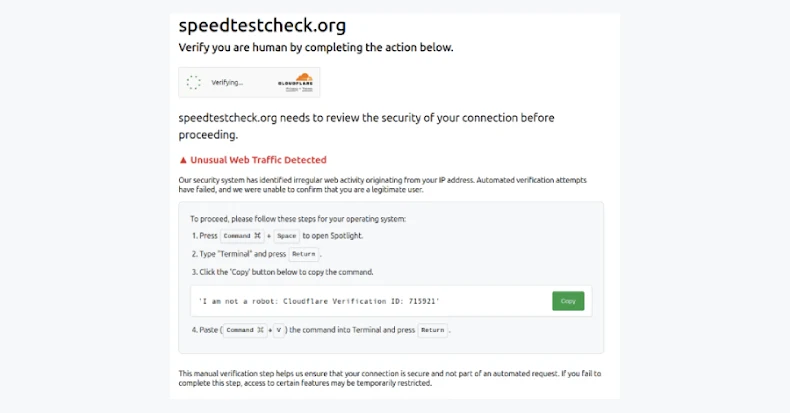
1. ClickFix Technique: Attackers exploit the Windows component `pcalua.exe` to execute malicious HTML Application (HTA) scripts from compromised websites. This indirect command execution method allows the malware to bypass certain security controls and establish a foothold on the target system.
2. Social Engineering via Microsoft Teams: In this scenario, adversaries pose as IT support staff and engage with victims through Microsoft Teams. They utilize the QuickAssist feature to gain remote access, facilitating the deployment of EtherRAT. This method underscores the importance of user vigilance and the potential risks associated with social engineering tactics.
Implications for Cybersecurity
The integration of blockchain technology into malware operations, as demonstrated by EtherRAT and EtherHiding, signifies a paradigm shift in cyberattack strategies. Traditional defense mechanisms, which often rely on identifying and blocking known C2 servers, are rendered less effective against such decentralized and dynamically updated infrastructures.
Recommendations for Mitigation
To counteract the threats posed by EtherRAT and similar malware, organizations should consider implementing the following measures:
– Regular Software Updates: Ensure that all systems and applications are up-to-date with the latest security patches to mitigate vulnerabilities that could be exploited by attackers.
– Enhanced User Training: Educate employees about the risks of social engineering attacks and the importance of verifying the identity of individuals requesting access to systems or sensitive information.
– Network Traffic Monitoring: Implement advanced monitoring solutions capable of detecting anomalous network behaviors, such as unexpected communications with blockchain networks or unusual data exfiltration patterns.
– Endpoint Detection and Response (EDR): Deploy EDR solutions that can identify and respond to suspicious activities on endpoints, including the execution of unauthorized scripts or the presence of known malware signatures.
– Blockchain Analysis Tools: Utilize specialized tools to monitor interactions with blockchain networks, enabling the identification of malicious activities that leverage blockchain technology for C2 communications.
Conclusion
The emergence of EtherRAT and the utilization of EtherHiding techniques highlight the evolving landscape of cyber threats. By embedding C2 infrastructure within the Ethereum blockchain, attackers achieve a level of resilience and stealth that challenges conventional defense strategies. Organizations must adapt by adopting comprehensive security measures that address both technological vulnerabilities and human factors to effectively mitigate these advanced threats.