Apple’s Strategic Moves Position It to Outperform in a Declining Notebook Market
The global notebook market is bracing for a significant downturn in 2026, with TrendForce revising its shipment forecast downward from a 9.2% to a 14.8% year-over-year decline. This adjustment reflects deteriorating end-market demand and escalating supply chain costs, influenced by macroeconomic challenges and the rapid expansion of computing demand for artificial intelligence (AI). As component costs continue to rise, notebook brands are increasingly passing these expenses onto consumers to maintain profit margins, potentially leading to higher prices and further dampening consumer interest.
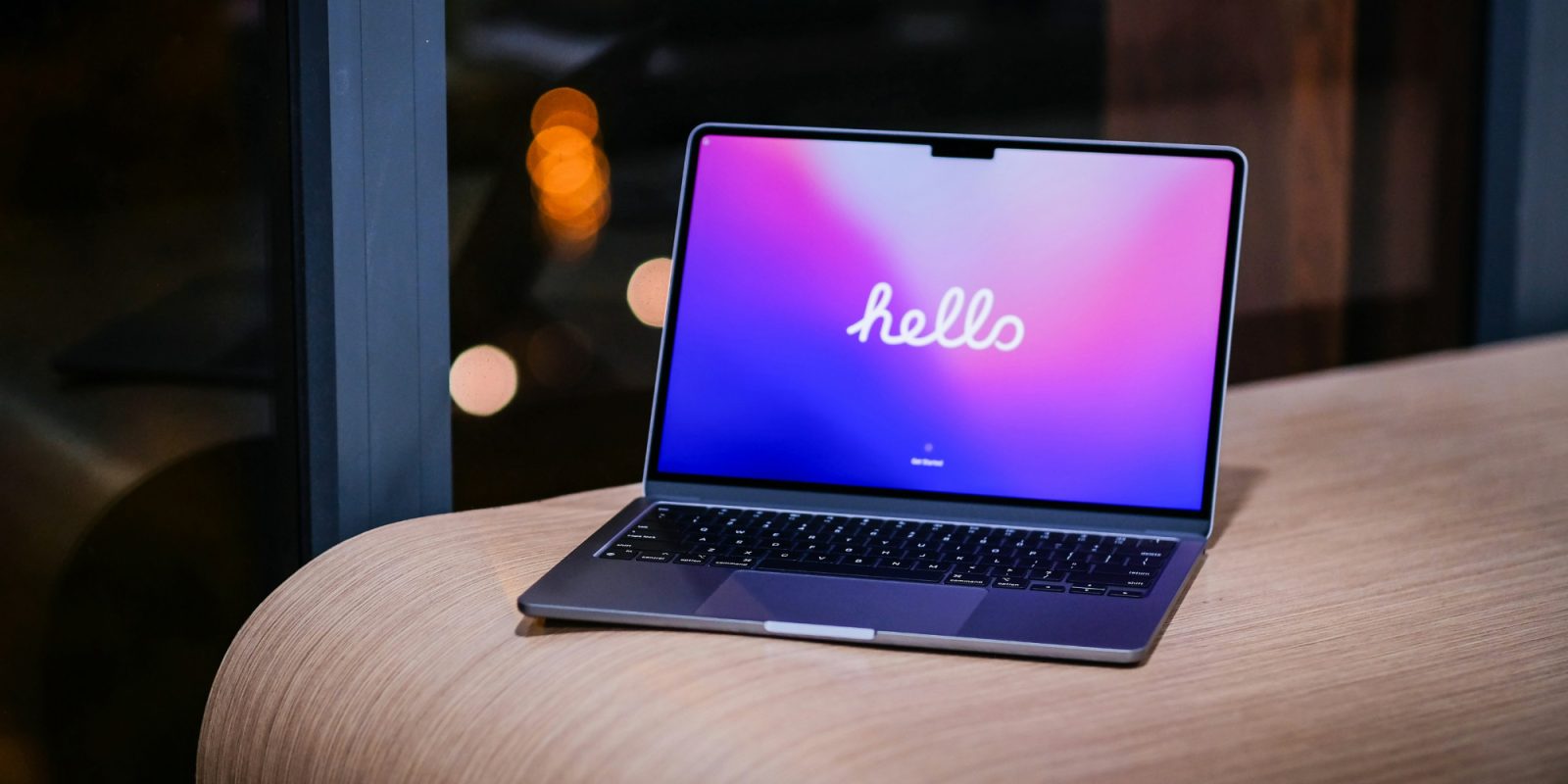
In contrast to the broader market trend, Apple is poised to defy this decline. TrendForce projects that Apple’s notebook shipments will grow by 7.7% year-over-year in 2026. This anticipated growth is largely attributed to Apple’s strategic introduction of the MacBook Neo, a lower-priced model starting at $599. By leveraging its in-house Apple Silicon chips, Apple reduces its dependence on external CPU suppliers, granting greater flexibility in capacity allocation and cost negotiations. Additionally, Apple’s streamlined product lineup and standardized specifications enable it to scale procurement volumes and strengthen long-term contract negotiations, further solidifying its market position.
The MacBook Neo’s competitive pricing aligns with mainstream Windows notebooks, enhancing Apple’s appeal in the education sector and among budget-conscious consumers. This move not only broadens Apple’s customer base but also cultivates brand loyalty from an earlier stage. Despite industry headwinds, Apple’s superior supply chain control and proactive pricing strategy position it to outperform competitors and capture a larger market share in the declining notebook market.