Apple Bids Farewell to the Mac Pro: A Legacy Concludes
In a significant shift within its product lineup, Apple has officially discontinued the Mac Pro, marking the end of an era for the company’s high-end desktop computers. This decision reflects Apple’s evolving strategy and the changing landscape of professional computing needs.
The Evolution of the Mac Pro
Introduced in 2006 as a successor to the Power Mac G5, the Mac Pro was designed to cater to professionals requiring robust performance and expandability. Over the years, it underwent several transformations:
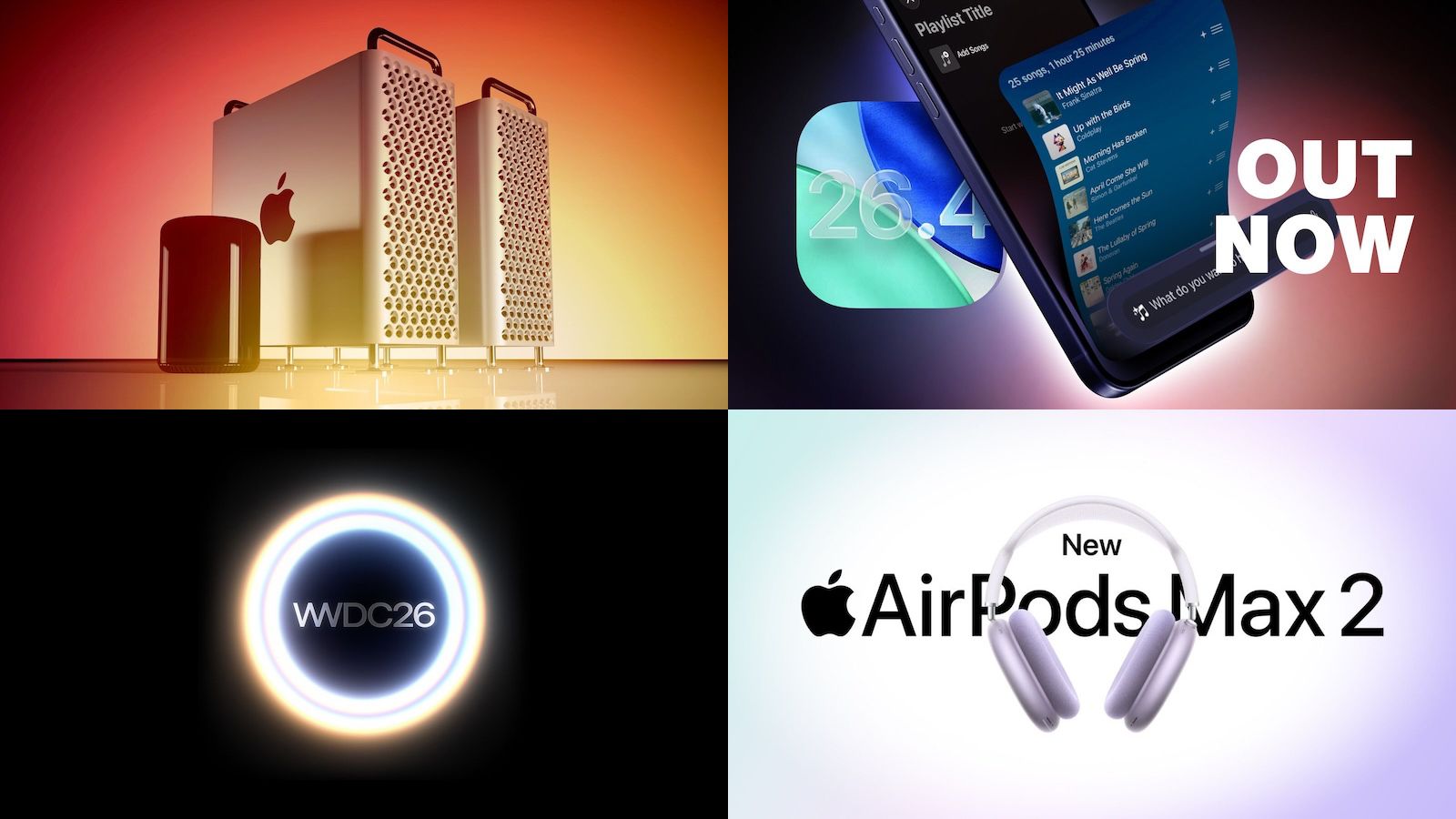
– 2006-2012: The initial models featured a traditional tower design, allowing for significant internal upgrades and customization.
– 2013: Apple unveiled a radical cylindrical design, often referred to as the trash can model. While innovative, this design faced criticism for limited upgrade options and thermal constraints.
– 2019: Responding to user feedback, Apple returned to a more modular cheese grater design, emphasizing expandability with multiple PCIe slots and enhanced cooling capabilities.
The Rise of the Mac Studio
In recent years, the Mac Studio has emerged as a formidable alternative to the Mac Pro. Equipped with Apple’s custom silicon chips, the Mac Studio offers impressive performance in a more compact and cost-effective package. Its introduction signaled a shift in Apple’s approach to professional desktops, focusing on efficiency and integration over traditional expandability.
Factors Leading to the Discontinuation
Several factors contributed to Apple’s decision to phase out the Mac Pro:
1. Performance Parity: The Mac Studio, especially with the M2 Ultra chip, delivers performance levels that meet or exceed those of the Mac Pro for most professional tasks.
2. Market Demand: The demand for highly customizable desktops has diminished as many professionals prefer integrated solutions that offer a balance between performance and convenience.
3. Technological Advancements: Apple’s transition to its own silicon has allowed for optimized hardware-software integration, reducing the need for user-driven hardware upgrades.
Implications for Professionals
For professionals who relied on the Mac Pro’s expandability, this discontinuation may necessitate a reassessment of their hardware needs. While the Mac Studio offers substantial power, it lacks the same level of internal customization. Users requiring specific configurations may need to explore external expansion options or consider alternative platforms.
Looking Ahead
Apple’s decision to discontinue the Mac Pro underscores its commitment to innovation and adaptation. As the company continues to develop its silicon technology, future products are expected to offer enhanced performance and efficiency, albeit with a different approach to customization and expandability.
Conclusion
The end of the Mac Pro era marks a significant milestone in Apple’s history. While it signifies the conclusion of a legacy product, it also highlights the company’s focus on evolving to meet the changing needs of its user base. Professionals and enthusiasts alike will be watching closely to see how Apple’s future offerings will shape the landscape of high-performance computing.