FBI Uncovers Iranian Hackers Exploiting Telegram for Global Cyber Espionage
In a recent security alert, the Federal Bureau of Investigation (FBI) has exposed a sophisticated cyber espionage campaign orchestrated by Iranian government-affiliated hackers. These cyber operatives are leveraging the popular messaging platform Telegram to infiltrate and exfiltrate sensitive data from individuals and organizations worldwide, particularly targeting dissidents, opposition groups, and journalists critical of the Iranian regime.
Modus Operandi of the Cyber Attacks
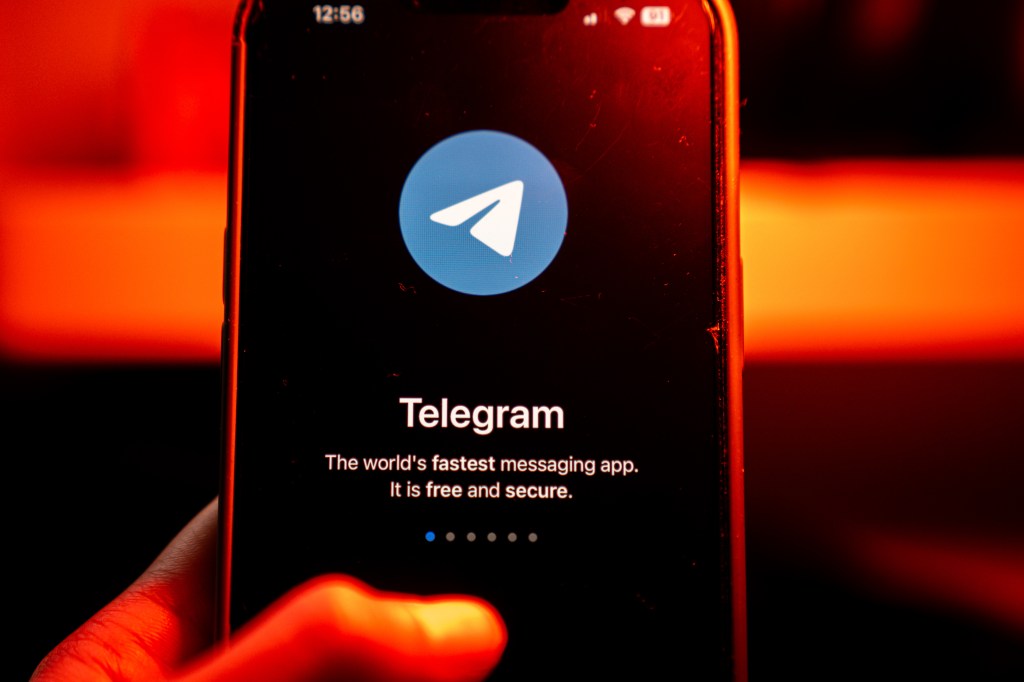
The attackers initiate their scheme by impersonating trusted contacts or technical support personnel to establish communication with their targets. They then deceive victims into downloading malicious files disguised as legitimate applications, such as Telegram or WhatsApp. Once these deceptive files are installed, the malware establishes a covert connection between the compromised device and Telegram bots controlled by the hackers. This connection enables the attackers to execute a range of malicious activities, including:
– Data Exfiltration: Unauthorized access and extraction of sensitive files and personal information.
– Surveillance: Capturing screenshots and recording video conferences, such as Zoom calls, without the victim’s knowledge.
– Remote Control: Gaining full control over the infected device to execute commands and manipulate data.
The utilization of Telegram for command and control operations allows the malicious traffic to blend seamlessly with legitimate network communications, complicating detection efforts by cybersecurity defenses and anti-malware solutions.
Attribution to Iranian Intelligence
The FBI attributes these cyber activities to hackers operating under the auspices of Iran’s Ministry of Intelligence and Security (MOIS). This campaign exemplifies the Iranian government’s strategic use of cyber operations to advance its geopolitical objectives and suppress dissenting voices both domestically and internationally.
Involvement of the Handala Group
The FBI’s alert also references the pro-Iranian hacktivist group known as Handala. While the specific attacks detailed in the alert are not conclusively linked to Handala, the group’s recent activities underscore the broader context of Iran-linked cyber threats. Notably, earlier this month, Handala claimed responsibility for a significant cyberattack on Stryker, a leading medical technology company. This attack resulted in the wiping of tens of thousands of employee devices, causing substantial operational disruptions.
In response to these developments, the U.S. Department of Justice has accused Handala of serving as a front for the Iranian government, specifically the MOIS. Consequently, the FBI has taken decisive action by seizing two websites associated with Handala, aiming to disrupt their operations and mitigate further cyber threats.
Implications and Recommendations
The revelation of this cyber espionage campaign highlights the evolving tactics employed by state-sponsored actors to exploit widely used communication platforms for malicious purposes. It serves as a stark reminder of the importance of vigilance and robust cybersecurity practices, particularly for individuals and organizations that may be targets of such sophisticated attacks.
To safeguard against similar threats, the following measures are recommended:
1. Verify Communications: Exercise caution when receiving unsolicited messages, especially those requesting the download of files or applications. Always verify the identity of the sender through independent channels before taking any action.
2. Update Software Regularly: Ensure that all applications and operating systems are kept up to date with the latest security patches to mitigate vulnerabilities that could be exploited by malware.
3. Implement Multi-Factor Authentication (MFA): Enhance account security by enabling MFA, which adds an additional layer of verification beyond just a password.
4. Educate and Train Personnel: Conduct regular cybersecurity awareness training to help individuals recognize phishing attempts and other common attack vectors.
5. Deploy Advanced Security Solutions: Utilize comprehensive security software that can detect and respond to sophisticated threats, including those that use legitimate platforms for malicious purposes.
By adopting these proactive measures, individuals and organizations can strengthen their defenses against the increasingly complex landscape of cyber threats posed by state-sponsored actors.