Nvidia’s GTC 2026: Groundbreaking Innovations Amid Wall Street’s Caution
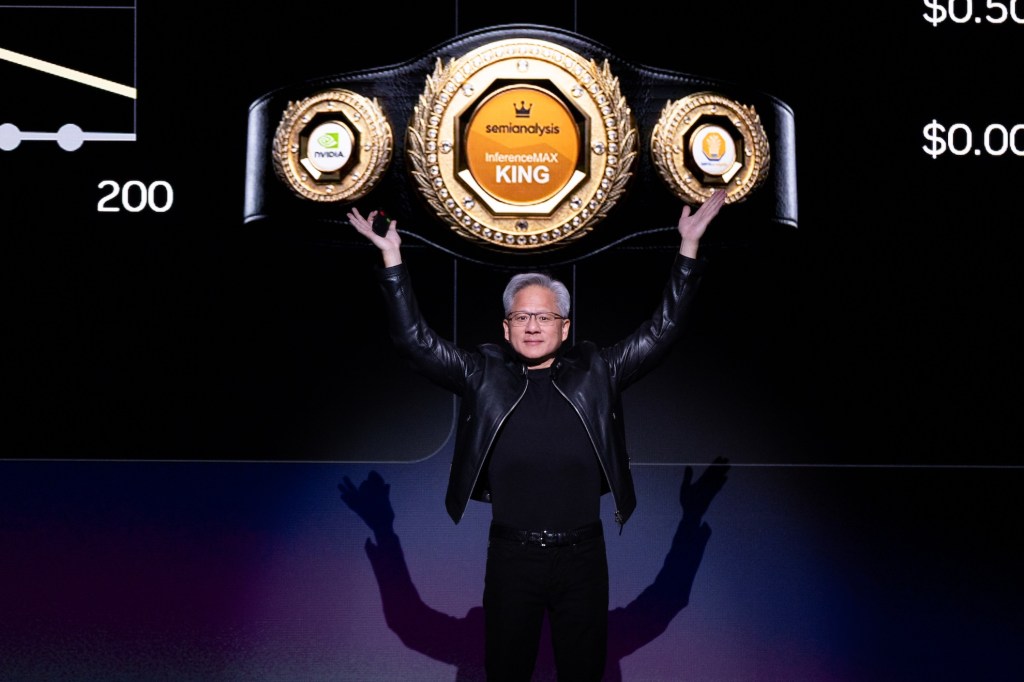
At the recent GPU Technology Conference (GTC) 2026, Nvidia unveiled a series of groundbreaking innovations poised to redefine the technological landscape. CEO Jensen Huang’s keynote highlighted advancements in AI, computing infrastructure, and space-based data centers. Despite these significant announcements, Wall Street’s reaction was notably cautious, reflecting broader uncertainties about the future of AI and its market implications.
Key Announcements at GTC 2026:
1. BlueField-4 STX Storage Architecture: Nvidia introduced the BlueField-4 STX, a modular, high-performance storage architecture designed for agentic AI applications. This platform addresses data access bottlenecks and GPU underutilization caused by large transformer model context windows in AI inference. It features the BlueField-4 DPU, ConnectX-9 SuperNIC, and Spectrum-X Ethernet, offering up to 5x token throughput, 4x energy efficiency, and 2x page ingestion speed over traditional CPU-based systems. The STX architecture is expected to be available in the second half of 2026. ([tomshardware.com](https://www.tomshardware.com/tech-industry/nvidia-launches-bluefield-4-stx-storage-architecture-for-agentic-ai?utm_source=openai))
2. Nemotron Coalition: Nvidia launched the Nemotron Coalition, bringing together eight AI organizations—including Black Forest Labs, Cursor, LangChain, Mistral AI, Perplexity, Reflection AI, Sarvam, and Thinking Machines Lab—to co-develop open frontier models on its DGX Cloud platform. Their collaborative efforts will contribute to the forthcoming Nemotron 4 model family, with an initial base model co-created with Mistral AI set to be open-sourced. ([tomshardware.com](https://www.tomshardware.com/tech-industry/artificial-intelligence/nvidias-nemoclaw-coalition-brings-eight-ai-labs-together-to-build-open-frontier-models?utm_source=openai))
3. Space-1 Vera Rubin Module: In a move to support next-generation data centers in space, Nvidia introduced the Space-1 Vera Rubin Module. Designed for orbital data centers, this module features the powerful Rubin GPU, offering up to 25 times the AI computing power of previous models. This advancement aims to revolutionize applications such as disaster response, weather forecasting, and scientific exploration by facilitating autonomous decision-making and seamless AI operations between ground and space systems. ([techradar.com](https://www.techradar.com/pro/space-computing-the-final-frontier-has-arrived-nvidia-wants-to-power-the-next-generation-of-data-centers-in-space?utm_source=openai))
4. Agentic AI and OpenClaw Framework: Nvidia emphasized the rise of agentic AI, attributing its acceleration to the release of OpenClaw, an open-source AI agent. CEO Jensen Huang predicted that Software as a Service (SaaS) companies will evolve into Agentic AI as a Service (AaaS) businesses as AI agents become more prevalent. ([axios.com](https://www.axios.com/2026/03/16/nvidia-ceo-jensen-huang-nvidia-gtc?utm_source=openai))
Wall Street’s Reaction:
Despite these ambitious announcements, Nvidia’s stock experienced a decline during the conference. Investors appeared unmoved by the projections, focusing instead on the uncertainties surrounding AI’s future and concerns about a potential bubble. The rapid pace of AI innovation has introduced a level of unpredictability that markets traditionally shy away from. Analysts suggest that while enterprise AI adoption is expected to scale quickly, the current lack of clear return on investment and outdated data contribute to investor apprehension.
Conclusion:
Nvidia’s GTC 2026 showcased a vision of the future where AI and advanced computing play central roles across various industries. However, the cautious response from Wall Street underscores the challenges of navigating a rapidly evolving technological landscape. As Nvidia continues to push the boundaries of innovation, the market’s reception will likely hinge on the tangible realization of these ambitious projects and their impact on the broader economy.