Mac Gaming in 2026: Progress Amid Persistent Challenges
In 2026, the landscape of gaming on Mac computers presents a paradox. While significant advancements have been made, the platform continues to grapple with longstanding issues that hinder its appeal to the gaming community.
Advancements in Hardware and Software
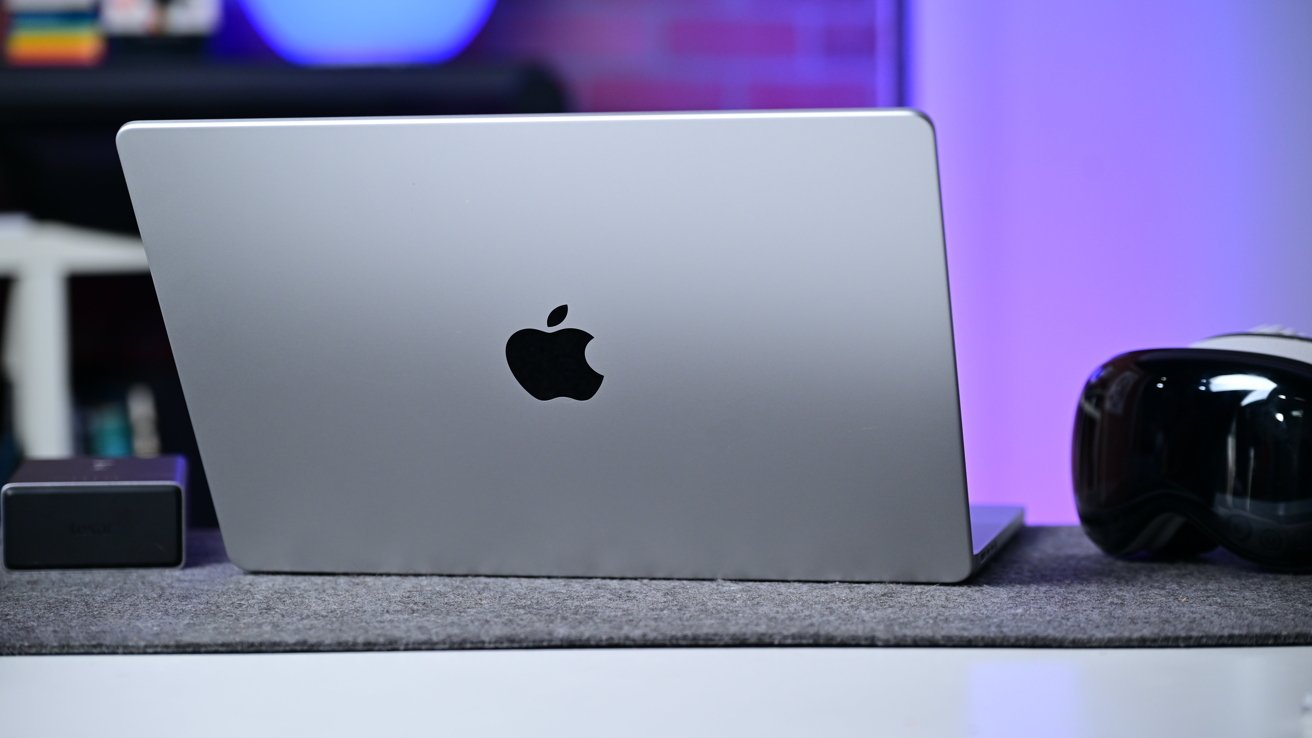
Apple’s transition to Apple Silicon has been a game-changer for Mac performance. The introduction of the M5 Max MacBook Pro showcases the company’s commitment to delivering powerful hardware. These machines boast impressive processing capabilities and high-resolution displays, theoretically positioning them as formidable gaming devices.
On the software front, Apple has made strides to enhance the gaming experience. The development of the Game Porting Toolkit aims to simplify the process for developers to bring their games to macOS. This initiative reflects Apple’s recognition of the need to expand the Mac’s gaming library and attract more developers to the platform.
Persistent Challenges
Despite these advancements, several challenges persist:
1. Limited Game Library: The Mac’s gaming catalog remains sparse compared to Windows. Many popular titles are either unavailable or arrive on macOS long after their initial release, diminishing their appeal to gamers who prioritize timely access to new games.
2. Developer Hesitancy: The smaller user base and historical lack of focus on gaming have made developers cautious about investing resources into macOS ports. This hesitancy perpetuates the cycle of limited game availability, as developers are uncertain about the potential return on investment.
3. Hardware Optimization: While Apple Silicon offers impressive performance, Macs are not specifically optimized for gaming. The absence of dedicated gaming hardware features, such as high-refresh-rate displays and advanced cooling systems, places Macs at a disadvantage compared to gaming PCs.
4. Software Compatibility: The deprecation of OpenGL in favor of Metal has created compatibility issues for older games. Additionally, the transition to 64-bit applications has rendered some legacy games unplayable without updates from developers, further limiting the available gaming options.
The Competitive Landscape
The gaming industry is highly competitive, with platforms like Windows PCs and gaming consoles dominating the market. These platforms offer extensive game libraries, hardware tailored for gaming, and robust online services, making them more attractive to gamers. Apple’s current offerings, despite their strengths in other areas, struggle to compete in this environment.
Potential Solutions and Future Outlook
To address these challenges, Apple could consider several strategies:
– Strengthening Developer Relations: By providing better support and incentives, Apple can encourage developers to prioritize macOS versions of their games. This could involve financial incentives, technical support, and marketing assistance to make the platform more appealing.
– Investing in Gaming Hardware: Introducing Macs with hardware features specifically designed for gaming, such as higher refresh rates, enhanced cooling systems, and customizable RGB lighting, could attract gamers seeking a more immersive experience.
– Enhancing Software Compatibility: Developing robust compatibility layers or emulation solutions could allow Macs to run a broader range of games, including those originally designed for Windows. This approach would require significant investment but could dramatically expand the Mac’s gaming library.
In conclusion, while Mac gaming has seen improvements, it continues to face significant hurdles. Apple’s commitment to enhancing the gaming experience on macOS is evident, but without addressing these core issues, the platform is unlikely to become a primary choice for serious gamers. The future of Mac gaming depends on Apple’s willingness to make substantial investments and strategic changes to meet the demands of the gaming community.