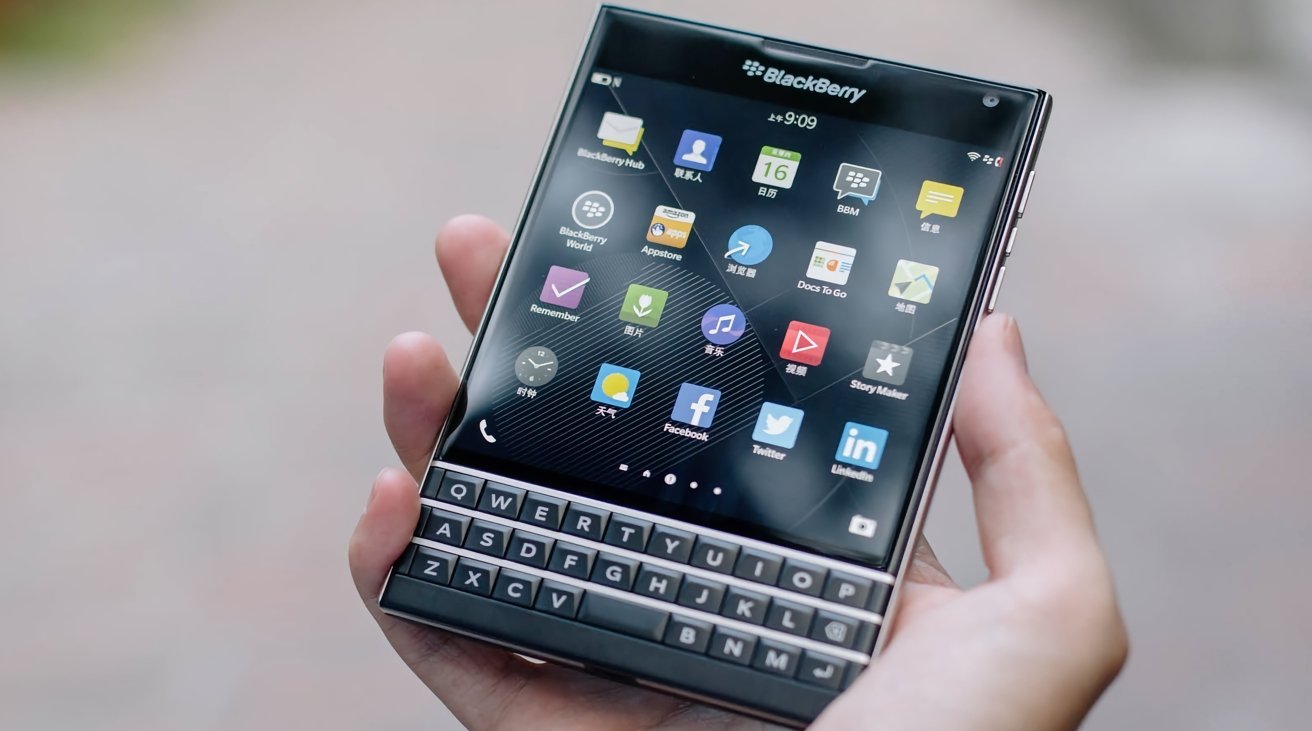
BlackBerry’s Legacy Continues to Entangle Apple in Unrelated Legal Battles
Despite BlackBerry’s exit from the smartphone market, its technological legacy continues to influence the industry, notably affecting companies like Apple through a series of complex legal entanglements. These situations often arise from the sale and licensing of BlackBerry’s extensive patent portfolio, leading to unexpected legal challenges for Apple.
The Sale of BlackBerry’s Patents and Its Ripple Effects
In January 2022, BlackBerry sold a significant portion of its non-core patents, including those related to mobile devices, messaging, and wireless networking, to Catapult IP Innovations for $600 million. This transaction granted BlackBerry $450 million in cash and a $150 million promissory note, along with a license back for the sold patents. While BlackBerry assured that this sale would not impact its customers, the transfer of these patents to a non-practicing entity (NPE) raised concerns within the tech industry. NPEs, often referred to as patent trolls, acquire patents primarily to enforce them through litigation rather than to develop products. This shift in ownership has led to increased legal actions against major technology companies, including Apple.
Apple’s Legal Challenges Stemming from BlackBerry’s Patents
The transfer of BlackBerry’s patents has resulted in several legal challenges for Apple:
1. USB Charging Technology Lawsuit: In February 2019, Fundamental Innovation Systems International (FISI), an NPE that acquired patents from BlackBerry, filed a lawsuit against Apple. FISI alleged that Apple infringed on multiple patents related to USB charging and communication technologies. These patents, originally developed by Research in Motion (RIM), BlackBerry’s predecessor, detailed charging subsystems interfacing with the USB protocol to draw current from power adapters or host computers. FISI claimed that Apple’s products, including iPhones, iPads, and MacBooks, utilized these patented technologies without proper licensing. This lawsuit underscores how the sale of BlackBerry’s patents to NPEs can lead to litigation against other tech companies.
2. Messaging Patent Infringement Allegations: In March 2018, BlackBerry initiated a lawsuit against Facebook, alleging that the social media giant’s messaging services, including WhatsApp and Instagram, copied features from BlackBerry Messenger. BlackBerry claimed that these services infringed on patents related to security, user interface, and functionality enhancements. While this lawsuit directly targeted Facebook, it highlighted the broader issue of companies facing legal challenges over features that have become standard in the industry. Apple, with its iMessage service, could potentially face similar allegations, given the overlapping functionalities in modern messaging platforms.
3. Rockstar Consortium’s Patent Enforcement: In 2011, a consortium including Apple, BlackBerry, Ericsson, Microsoft, and Sony, known as the Rockstar Consortium, purchased over 6,000 patents from the defunct Nortel Networks for $4.5 billion. Rockstar was established to license these patents and enforce them through litigation. In 2014, the consortium sold a significant portion of its patent portfolio to RPX Corporation for $900 million, aiming to end ongoing litigation and reduce patent-related conflicts. However, the initial aggressive enforcement actions by Rockstar led to numerous lawsuits against various tech companies, including Google and Samsung, creating a complex web of legal battles that indirectly involved Apple.
The Broader Implications of Patent Transfers
The sale and licensing of patents from companies like BlackBerry to NPEs or consortiums have broader implications for the tech industry:
– Increased Litigation: NPEs often acquire patents not to develop products but to enforce them through litigation, leading to an uptick in patent infringement lawsuits against operating companies.
– Innovation Stifling: The threat of litigation can deter companies from developing new technologies or incorporating certain features, fearing potential patent infringement claims.
– Legal Uncertainty: The transfer of patents can create uncertainty regarding licensing agreements and the potential for future litigation, complicating business operations and strategic planning.
Apple’s Proactive Measures
To mitigate the risks associated with patent litigation stemming from such transfers, Apple has taken several proactive measures:
– Patent Acquisitions: Apple has strategically acquired patents to bolster its portfolio, providing defensive leverage against potential lawsuits.
– Licensing Agreements: The company has entered into licensing agreements with various patent holders to secure the rights to use certain technologies and reduce the risk of infringement claims.
– Legal Defense: Apple maintains a robust legal team to defend against patent infringement claims and to challenge the validity of patents asserted against it.
Conclusion
The legacy of BlackBerry’s technological innovations continues to influence the tech industry, particularly through the complex web of patent ownership and enforcement. For companies like Apple, this has resulted in navigating a challenging landscape of legal disputes, often unrelated to their own developments. As patents change hands and NPEs become more active, the industry must remain vigilant and proactive in managing intellectual property risks to foster innovation and minimize litigation.