Shopify Embraces AI Shopping Agents to Revolutionize E-Commerce
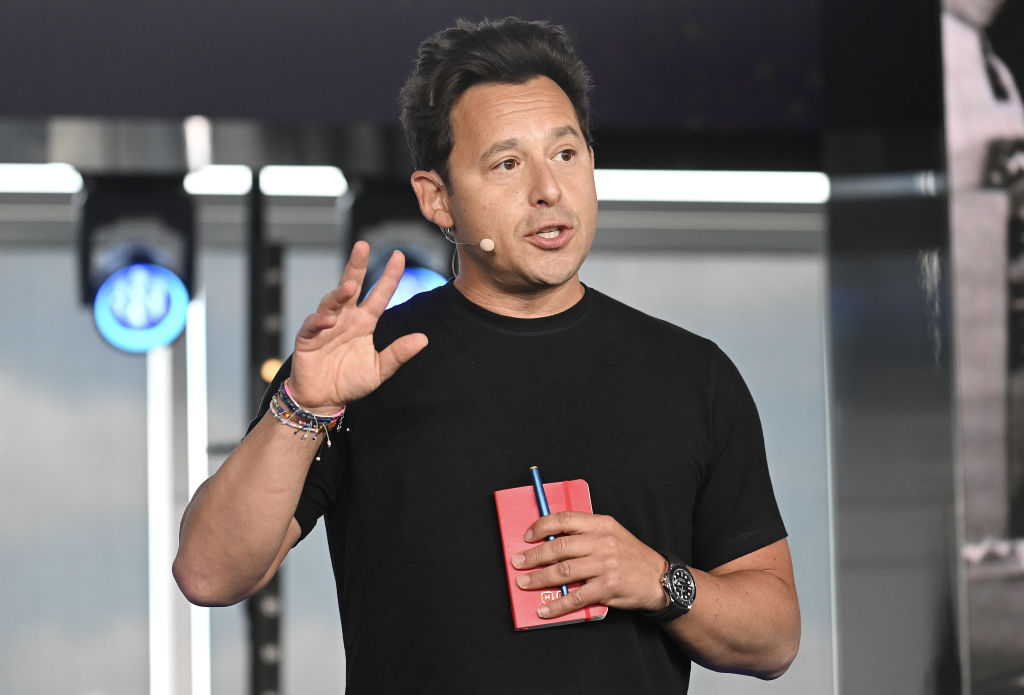
Shopify, a leading e-commerce platform, is gearing up for a transformative shift in online retail through the integration of AI-powered shopping agents. At the recent Upfront Summit in Los Angeles, Shopify’s president, Harley Finkelstein, highlighted the company’s commitment to adopting agentic shopping technologies, which are poised to redefine the consumer shopping experience.
The Emergence of AI Shopping Agents
AI shopping agents, or agentic applications, function as personalized digital assistants capable of understanding and anticipating individual consumer preferences. These agents can search for products, compare options, and make purchasing decisions on behalf of users, offering a tailored and efficient shopping journey. Finkelstein emphasized that such technology could act as a new gateway for e-commerce sellers, potentially increasing the current 18% share of online retail purchases in the U.S.
Enhancing Personalized Shopping Experiences
Traditional search engines often fall short in providing context-rich, personalized shopping results. Finkelstein illustrated this by sharing his preference for On running shoes. He noted that while a generic search for sneakers might yield results from major retailers like Footlocker, an AI shopping agent would prioritize options from On, aligning with his specific tastes. This merit-based approach ensures that consumers receive recommendations that genuinely reflect their preferences, moving beyond the limitations of conventional search algorithms.
Shopify’s Strategic Initiatives in AI Integration
Shopify has been proactive in integrating AI into its platform to enhance merchant and customer experiences:
– Sidekick AI Assistant: In July 2023, Shopify introduced Sidekick, an AI-powered assistant designed to help merchants navigate the platform, manage stores, and make informed business decisions. Sidekick can answer questions, perform tasks like setting up discounts, and provide insights into sales trends. ([techcrunch.com](https://techcrunch.com/2023/07/26/shopify-sidekick-is-like-chatgpt-but-for-ecommerce-merchants/?utm_source=openai))
– AI-Powered Store Builder: By May 2025, Shopify launched an AI-driven store builder, enabling merchants to set up storefronts using simple prompts. This tool generates ready-to-launch stores, allowing for quick customization and personalization without extensive technical knowledge. ([techcrunch.com](https://techcrunch.com/2025/05/21/shopify-launches-an-ai-powered-store-builder-as-part-of-its-latest-update/?utm_source=openai))
– AI Traffic and Sales Growth: In November 2025, Shopify reported a sevenfold increase in traffic from AI tools since January of that year, with AI-driven orders rising elevenfold. This surge underscores the growing influence of AI in driving e-commerce growth. ([techcrunch.com](https://techcrunch.com/2025/11/04/shopify-says-ai-traffic-is-up-7x-since-january-ai-driven-orders-are-up-11x/?utm_source=openai))
Industry-Wide Adoption of AI in E-Commerce
The integration of AI shopping agents is not exclusive to Shopify. Other major players are also embracing this technology:
– Google’s Universal Commerce Protocol (UCP): In January 2026, Google announced UCP, an open standard developed in collaboration with companies like Shopify, Etsy, and Walmart. UCP aims to facilitate AI agent-based shopping by enabling agents to work seamlessly across various stages of the customer buying process, from discovery to post-purchase support. ([techcrunch.com](https://techcrunch.com/2026/01/11/google-announces-a-new-protocol-to-facilitate-commerce-using-ai-agents/?utm_source=openai))
– Mastercard’s Shopping Muse: In December 2023, Mastercard launched Shopping Muse, an AI-powered shopping assistant designed to provide personalized product recommendations by understanding modern trends and user preferences. ([techcrunch.com](https://techcrunch.com/2023/12/04/mastercard-launches-shopping-muse-an-ai-powered-shopping-assistant/?utm_source=openai))
– Visa’s Intelligent Commerce: By April 2025, Visa introduced Intelligent Commerce, allowing AI agents to shop and make purchases on behalf of consumers based on preselected preferences, enhancing the personalization and convenience of online shopping. ([techcrunch.com](https://techcrunch.com/2025/04/30/visa-and-mastercard-unveil-ai-powered-shopping/?utm_source=openai))
Implications for Merchants and Consumers
The rise of AI shopping agents presents both opportunities and challenges:
– For Merchants: AI agents can help smaller brands gain visibility by surfacing their products to consumers whose preferences align with their offerings. This democratization of product discovery can level the playing field, allowing niche brands to compete with larger retailers.
– For Consumers: Shoppers can expect more personalized and efficient experiences. AI agents can curate product selections, anticipate needs, and even handle transactions, reducing the time and effort required to find and purchase desired items.
Shopify’s Vision for the Future
Finkelstein envisions a future where AI shopping agents become integral to the e-commerce landscape. He believes that these agents will not only enhance the shopping experience but also serve as authentic personal shoppers, free from commission-based biases. This shift could lead to more genuine and satisfying interactions between consumers and brands.
As Shopify continues to invest in AI technologies, it positions itself at the forefront of this e-commerce evolution. By embracing AI shopping agents, Shopify aims to redefine online retail, offering more personalized, efficient, and engaging experiences for both merchants and consumers.