Apple Officially Declares iPhone 4 and iPhone 5 as Obsolete
Apple has recently updated its product classifications, officially designating the iPhone 4 and iPhone 5 as obsolete. This change signifies the end of official support and repair services for these models, marking a significant milestone in Apple’s product lifecycle management.
Understanding Apple’s Product Lifecycle: Vintage vs. Obsolete
Apple’s product lifecycle includes two key classifications: vintage and obsolete. A product is labeled as vintage when Apple ceased its sale more than five but less than seven years ago. During this period, Apple may still offer repair services, contingent upon the availability of parts. Once a product surpasses the seven-year mark since its discontinuation, it is classified as obsolete, indicating that Apple has discontinued all hardware services and support for that product.
The Journey of iPhone 4 and iPhone 5 to Obsolescence
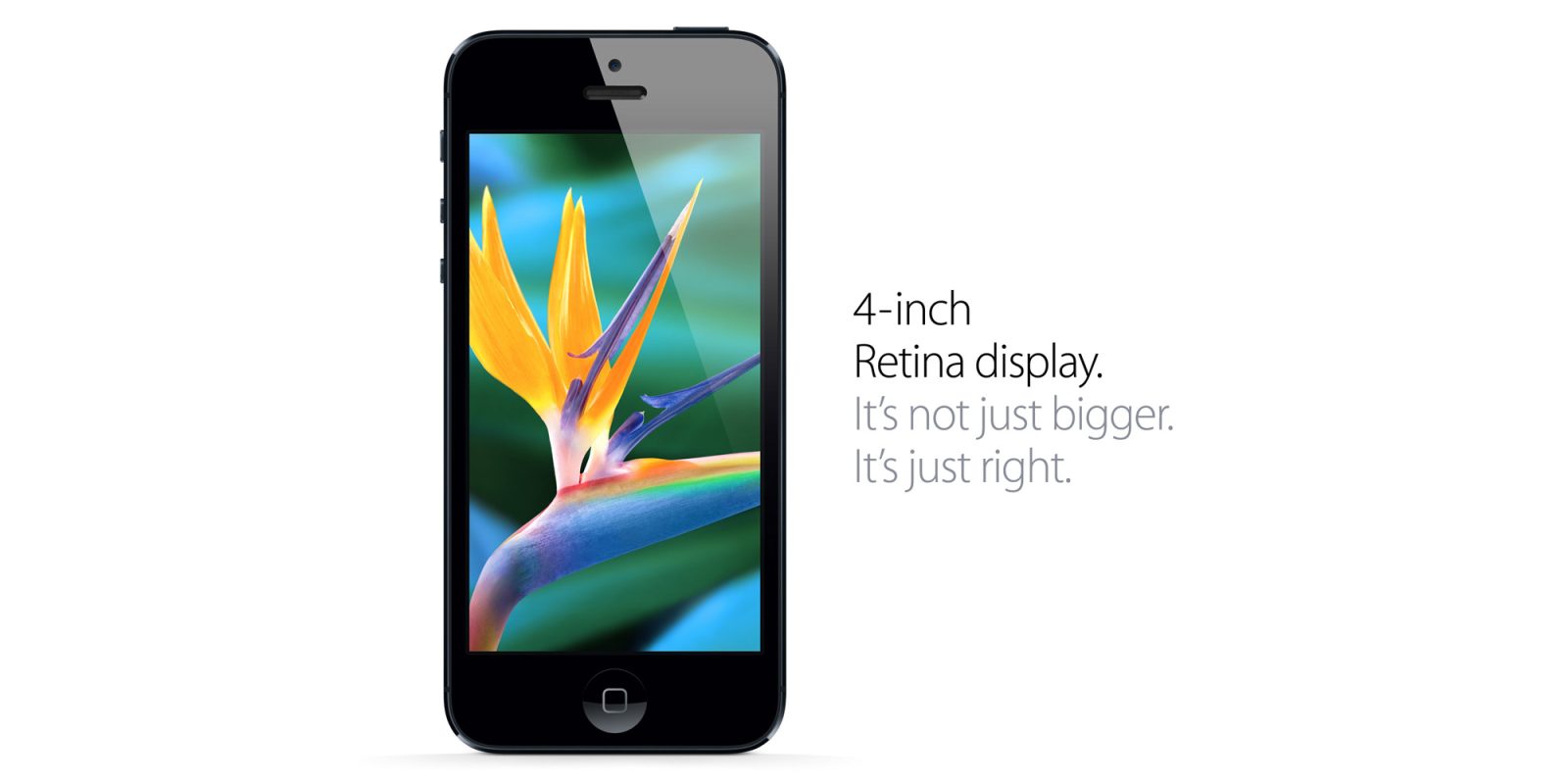
The iPhone 4, introduced in 2010, and the iPhone 5, launched in 2012, have both reached the end of their official support timelines. The iPhone 4 was a groundbreaking device, introducing the Retina display and a new design language that influenced subsequent models. The iPhone 5 continued this innovation with a larger screen and the introduction of the Lightning connector.
Over the years, these models transitioned from active support to vintage status, and now, as of March 16, 2026, they have been moved to the obsolete category. This transition reflects Apple’s standard practice of phasing out support for older devices as they focus on newer technologies and products.
Implications for iPhone 4 and iPhone 5 Users
For users of the iPhone 4 and iPhone 5, this obsolescence designation means that Apple will no longer provide hardware repairs or support services for these devices. While third-party repair services may still offer assistance, the lack of official support could lead to challenges in obtaining genuine parts and reliable service.
A Look Back at the Legacy of iPhone 4 and iPhone 5
The iPhone 4 and iPhone 5 were pivotal in shaping the smartphone landscape. The iPhone 4’s introduction of the Retina display set a new standard for screen clarity, while its design became iconic. The iPhone 5’s larger display and the shift to the Lightning connector marked significant steps in Apple’s design evolution.
These devices not only advanced technology but also influenced user expectations and industry standards. Their obsolescence marks the end of an era but also highlights the rapid pace of technological advancement.
Looking Ahead: Apple’s Evolving Product Line
As Apple continues to innovate, newer models have taken the place of the iPhone 4 and iPhone 5. The company’s focus on integrating advanced technologies, such as improved cameras, faster processors, and enhanced displays, ensures that users have access to cutting-edge devices.
For those looking to upgrade from older models, Apple’s current lineup offers a range of options that cater to various needs and preferences. The transition from older devices to newer ones is a natural progression in the tech world, reflecting both the company’s commitment to innovation and the evolving demands of consumers.
Conclusion
The official designation of the iPhone 4 and iPhone 5 as obsolete is a reminder of the ever-changing nature of technology. While these devices have served users well over the years, their obsolescence paves the way for new innovations and advancements in the smartphone industry.