Perplexity’s Personal Computer: AI Integration with Mac mini’s Local Files
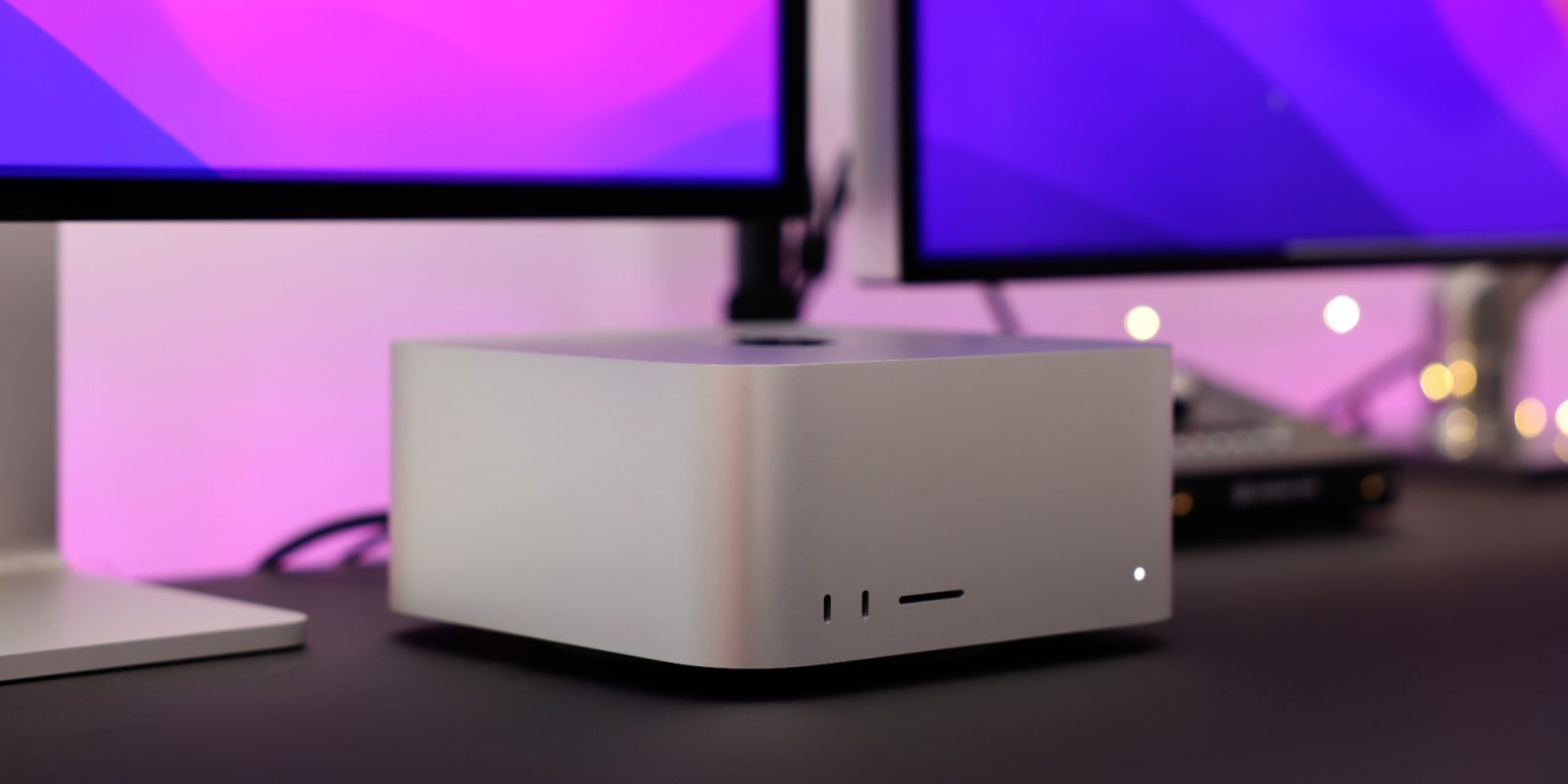
Perplexity is advancing its AI capabilities by introducing the Personal Computer, a system that integrates its agentic AI platform with a Mac mini’s local applications and files. This development aims to provide users with a more personalized and efficient computing experience.
In late February, Perplexity unveiled Perplexity Computer, a digital assistant designed to manage tasks by delegating them to various sub-agents, similar to a project manager overseeing a team. Building upon this concept, the Personal Computer operates directly on a user’s Mac mini, merging the functionalities of Perplexity Computer with access to local files and applications.
Perplexity’s CEO, Aravind Srinivas, highlighted the Mac mini as an ideal platform for this integration. The Personal Computer runs continuously on the Mac, providing always-on access to files and applications. This setup allows Perplexity Computer and the Comet Assistant to utilize and modify local files as needed. For instance, if a user has a collection of photographs on their desktop intended for a website, the AI can analyze, rename, and resize these images for web use without explicit user instructions.
Srinivas assures users that while the Personal Computer operates locally, the AI processing occurs on Perplexity’s secure servers. Sensitive actions will require user approval, with all activities logged and a kill switch available for added security. Additionally, the Personal Computer can be controlled remotely over the internet, ensuring it remains operational and accessible at all times.
Currently, access to the Personal Computer is limited, with the company maintaining a waitlist for interested users.
Understanding Perplexity’s AI Agents
Perplexity Computer functions as an intermediary between the user and various AI sub-agents. Users provide a general task outcome, and Perplexity Computer decomposes it into subtasks, delegating them to appropriate sub-agents. This approach allows the managing AI significant flexibility in task execution, including the potential creation of software to accomplish specific objectives.
The Personal Computer extends this functionality by operating locally on a Mac mini, granting the AI direct access to the user’s files and applications. This integration enables the AI to perform tasks such as analyzing, modifying, and organizing files without explicit user commands, streamlining workflows and enhancing productivity.
The Mac mini’s Role in AI Integration
The Mac mini has become a popular choice for hosting AI agents locally due to its affordability and compact design. It serves as an entry point for running AI agents, acting as an interface and storage hub for agentic work. Users can interact with the AI through messaging apps, with the Mac mini facilitating communication and data storage.
This trend has been exemplified by OpenClaw, an agentic AI framework that automates tasks by integrating with large language model services. OpenClaw’s popularity led to increased Mac mini purchases, highlighting the device’s suitability for local AI operations.
Security Considerations
While integrating AI agents with local systems offers numerous benefits, it also raises security concerns. AI agents with terminal access can potentially install malware or access sensitive information. Users are advised to exercise caution when granting AI agents access to their systems and to conduct thorough research before implementation.
Perplexity emphasizes that the Personal Computer’s AI processing occurs on secure servers, with user approval required for sensitive actions. All activities are logged, and a kill switch is available to terminate operations if necessary.
Conclusion
Perplexity’s Personal Computer represents a significant advancement in AI integration, combining the capabilities of its agentic AI platform with the Mac mini’s local applications and files. This development offers users a more personalized and efficient computing experience, with the potential to streamline workflows and enhance productivity. However, users should remain vigilant regarding security considerations and ensure they are comfortable with the level of access granted to AI agents.