MacBook Neo: Paving the Way for iPhone and iPad to Become Your Mac
The recent unveiling of the MacBook Neo has sparked discussions about the potential for iPhones and iPads to function as full-fledged Mac computers. This innovative device demonstrates that macOS can operate seamlessly on hardware traditionally associated with Apple’s mobile devices, suggesting a future where a single device could serve multiple roles.
A Unified Device Experience
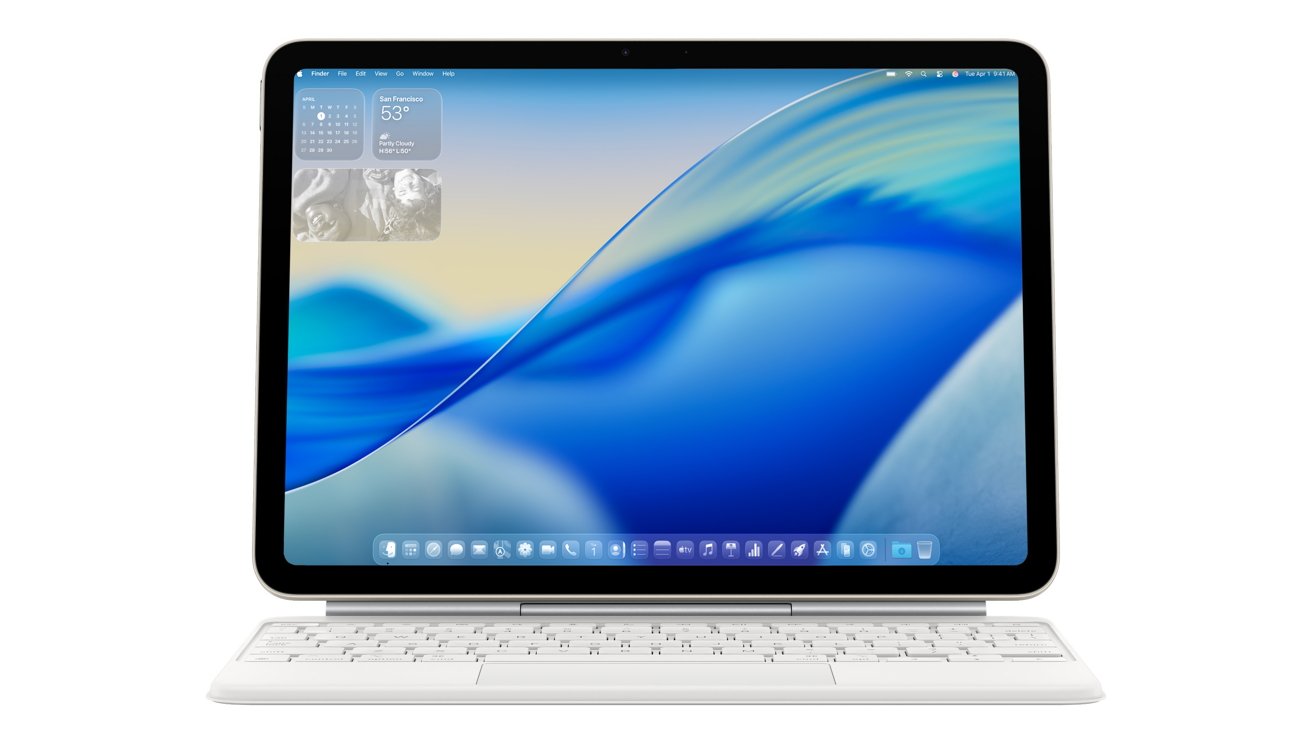
Envision a scenario where your iPhone or iPad transforms into a Mac when connected to appropriate peripherals. This concept isn’t about merging iOS and macOS into a single operating system but rather about enabling a device to switch between operating systems based on user needs. For instance, connecting an iPad to a Magic Keyboard could initiate a macOS environment, allowing users to run desktop applications on their tablet.
Apple’s Stance on Device Integration
Historically, Apple has maintained a clear distinction between its product lines. In 2021, Apple marketing chief Greg Joswiak emphasized that the company had no plans to merge the iPad and Mac, stating that they aim to create the best products in their respective categories. This perspective underscores Apple’s commitment to providing tailored experiences for each device. ([appleinsider.com](https://appleinsider.com/articles/21/04/22/apple-reiterates-that-it-has-no-plans-to-merge-ipad-and-mac?utm_source=openai))
Existing Continuity Features
Apple has already introduced several features that enhance interoperability between devices:
– Handoff: Allows users to start a task on one device and continue it on another. For example, composing an email on a Mac and finishing it on an iPhone. ([appleinsider.com](https://appleinsider.com/articles/14/10/17/handoff-in-os-x-yosemite-makes-it-easy-to-transition-between-your-mac-iphone-ipad?utm_source=openai))
– Universal Clipboard: Enables copying content on one device and pasting it on another, streamlining workflows across devices. ([appleinsider.com](https://appleinsider.com/articles/18/03/06/how-to-start-copying-and-pasting-between-your-mac-and-ipad-using-universal-clipboard?utm_source=openai))
– Sidecar: Transforms an iPad into a secondary display for a Mac, enhancing productivity by extending screen real estate. ([appleinsider.com](https://appleinsider.com/inside/sidecar?utm_source=openai))
– Universal Control: Introduced in iPadOS 15.4 and macOS Monterey 12.3, this feature allows a single keyboard and mouse to control multiple Apple devices, facilitating seamless interaction. ([appleinsider.com](https://appleinsider.com/articles/22/01/28/how-to-use-universal-control-in-ipados-154-macos-monterey-123-betas?utm_source=openai))
Challenges in Device Communication
Despite these advancements, challenges remain. For instance, users have reported issues when connecting iPad Pros to MacBook Pros via Thunderbolt, experiencing unstable connections and inconsistent performance. These issues highlight the complexities involved in achieving seamless integration between devices. ([appleinsider.com](https://appleinsider.com/articles/22/04/15/despite-thunderbolt-ipad-to-mac-communication-is-still-a-mess?utm_source=openai))
The Potential of MacBook Neo
The MacBook Neo serves as a proof of concept that macOS can run on hardware similar to that found in iPhones and iPads. This development opens the door to possibilities where a single device could adapt to various roles, reducing the need for multiple devices and offering a more streamlined user experience.
Conclusion
While Apple currently maintains a clear separation between its product lines, the technological advancements demonstrated by the MacBook Neo suggest a future where devices like the iPhone and iPad could function as Macs when needed. This potential shift could redefine user interactions with technology, offering unprecedented flexibility and convenience.