Global Movement to Restrict Children’s Access to Social Media Gains Momentum
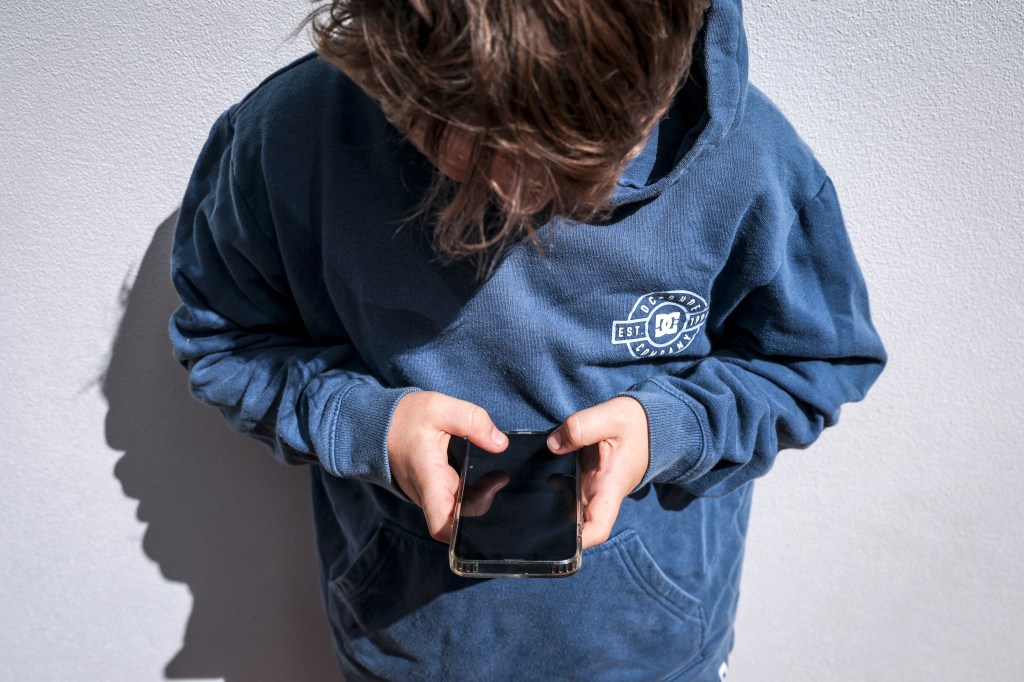
In recent months, a growing number of countries have initiated or proposed legislation aimed at restricting or banning social media access for children and teenagers. This global trend seeks to mitigate the potential harms associated with social media use among young users, such as cyberbullying, addiction, mental health issues, and exposure to online predators. However, these measures have sparked debates over privacy concerns, the effectiveness of such bans, and the balance between protection and personal freedom.
Australia: Pioneering the Ban
Australia set a precedent by becoming the first country to implement a comprehensive ban on social media for individuals under 16. Enacted in December 2025, the legislation prohibits minors from accessing platforms including Facebook, Instagram, Snapchat, Threads, TikTok, X (formerly Twitter), YouTube, Reddit, Twitch, and Kick. Notably, services like WhatsApp and YouTube Kids are exempt from this ban.
The Australian government mandates that these social media companies employ robust age verification methods to enforce the restriction. Companies failing to comply face substantial penalties, with fines reaching up to $49.5 million AUD (approximately $34.4 million USD). The government emphasizes that platforms cannot solely rely on users self-reporting their age; instead, they must implement multiple verification mechanisms to ensure compliance.
Denmark: Legislative Steps Toward Restriction
Denmark is on the path to banning social media access for children under 15. In November 2025, the Danish government announced it had garnered support from three governing coalition parties and two opposition parties to move forward with the ban. The legislation could be enacted as early as mid-2026. To facilitate enforcement, Denmark’s digital affairs ministry is developing a digital evidence app equipped with age verification tools, which may play a crucial role in implementing the ban.
France: Parliamentary Progress
In late January 2026, French lawmakers passed a bill aiming to prohibit social media use for individuals under 15. President Emmanuel Macron has endorsed the measure as a strategy to protect children from excessive screen time and its associated risks. The bill is currently awaiting approval from the country’s Senate before a final vote in the lower house.
Germany: Political Deliberations
Germany is considering similar restrictions. In early February 2026, Chancellor Friedrich Merz’s conservative party discussed a proposal to bar children under 16 from using social media platforms. However, the proposal has encountered hesitation from center-left coalition partners, indicating a complex political landscape and ongoing debates about the feasibility and implications of such a ban.
Greece: Anticipated Announcement
Reports from early February 2026 suggest that Greece is nearing the announcement of a social media ban for children under 15. While specific details are yet to be disclosed, the move aligns with the broader European trend of implementing age-based restrictions on social media usage among minors.
Indonesia: Age-Gated Approach
Indonesia has outlined plans to restrict social media access for individuals under 16, adopting a more nuanced, age-gated approach. The country’s communication and digital ministry announced that children aged 13 or older would be permitted to use platforms deemed lower-risk, while higher-risk platforms would be accessible only to users above 16. Platforms categorized as higher-risk include YouTube, TikTok, Facebook, Instagram, Threads, X, Bigo Live, and Roblox. This tiered strategy reflects an attempt to balance the benefits of digital engagement with the need to protect younger users from potential online harms.
Malaysia: Upcoming Implementation
In November 2025, Malaysia’s government announced plans to ban social media access for children under 16, with implementation slated for the following year. The proposed ban underscores Malaysia’s commitment to safeguarding minors from the adverse effects of social media, aligning with regional efforts to regulate digital platforms more stringently.
Slovenia: Drafting Legislation
Slovenia is in the process of drafting legislation to prohibit children under 15 from accessing social media. The country’s deputy prime minister announced in early February 2026 that the government aims to regulate social networks where content is shared, citing platforms such as TikTok, Snapchat, and Instagram. This initiative reflects Slovenia’s proactive stance in addressing the challenges posed by social media to younger demographics.
Spain: Parliamentary Approval Pending
In early February 2026, Spain’s prime minister announced plans to ban social media access for children under 16. The proposed ban is currently awaiting parliamentary approval. Additionally, the Spanish government is seeking to enact legislation that would hold social media executives personally accountable for hate speech on their platforms, indicating a broader effort to enhance online safety and accountability.
United Kingdom: Consultative Approach
The United Kingdom is considering a ban on social media for children under 16. The government plans to consult with parents, young people, and civil society organizations to assess the potential effectiveness of such a ban. Additionally, the UK is exploring the possibility of requiring social media companies to limit or remove features that drive compulsive use, such as endless scrolling, to mitigate the impact of social media on youth mental health.
India: State-Level Initiatives
In India, several states are contemplating restrictions on social media access for minors. The state of Karnataka, home to the tech hub of Bengaluru, announced plans to prohibit children under 16 from using social media. The chief minister emphasized the need to prevent the adverse effects of mobile phone use among children. Similarly, the states of Goa and Andhra Pradesh are studying Australia’s legislation as a potential model for implementing similar bans. These state-level initiatives highlight a growing recognition of the need to address the impact of social media on young users in India.
Global Implications and Debates
The global movement to restrict children’s access to social media reflects a collective effort to address the complex challenges posed by digital platforms. Proponents argue that such bans are necessary to protect minors from cyberbullying, online predators, and mental health issues exacerbated by social media use. They contend that age restrictions can help create a safer online environment for children and encourage healthier digital habits.
However, these measures have sparked significant debate. Critics, including organizations like Amnesty Tech, argue that outright bans may be ineffective and fail to consider the realities of younger generations who are deeply integrated into digital ecosystems. They express concerns about privacy implications, particularly regarding invasive age verification processes and the potential for excessive government intervention. Additionally, there is apprehension that such bans could drive children to unregulated or less safe online spaces, potentially exacerbating the very issues these measures aim to mitigate.
Conclusion
As countries worldwide grapple with the complexities of regulating social media access for minors, the effectiveness and enforceability of these bans remain subjects of ongoing discussion. The balance between protecting young users and preserving their rights to digital engagement is delicate, requiring nuanced approaches that consider the diverse needs and realities of today’s youth. The coming years will likely see continued evolution in policies and practices as nations strive to create safer digital environments for their younger populations.