Apple’s MacBook Neo: A New Era of Affordable Computing
Apple has unveiled the MacBook Neo, a groundbreaking addition to its lineup, priced at an unprecedented $599. This strategic move aims to make Mac computing accessible to a broader audience, including students and budget-conscious consumers. Notably, Apple CEO Tim Cook has delegated the promotional efforts to John Ternus, Apple’s Senior Vice President of Hardware Engineering, who has been actively discussing the product’s features and the company’s vision.
Design and Features
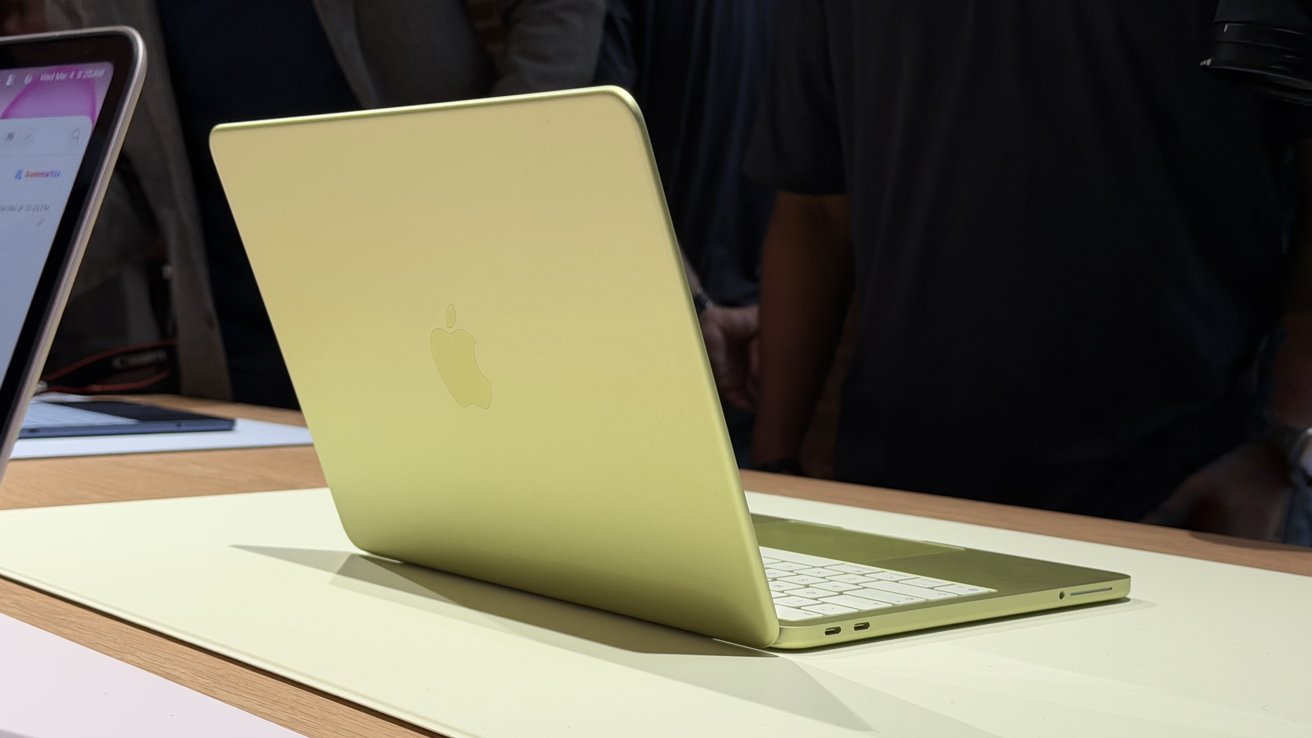
The MacBook Neo boasts a 13-inch Liquid Retina display housed in a sleek aluminum chassis, maintaining the premium aesthetic Apple is known for. However, the most significant departure from tradition lies under the hood: the MacBook Neo is powered by Apple’s A18 Pro processor, a chip originally designed for the iPhone lineup. This marks the first time a production Mac has utilized an iPhone-class chip, reflecting Apple’s innovative approach to hardware integration.
Performance and Efficiency
By incorporating the A18 Pro processor, Apple has managed to reduce costs without compromising performance. The A18 Pro includes a 16-core Neural Engine, enhancing on-device machine learning tasks and Apple Intelligence features. Apple claims that the MacBook Neo can perform up to 50% faster in everyday tasks compared to popular Intel-based consumer PCs, all while maintaining impressive battery life in a fanless design.
Market Positioning
The introduction of the MacBook Neo creates a new tier below the MacBook Air in Apple’s notebook lineup. Historically, the MacBook Air served as both the mainstream laptop and the entry-level Mac, typically starting around $999. At $599, the Neo positions Apple competitively against Chromebooks and inexpensive Windows laptops, particularly in the education sector where cost is a significant factor.
Strategic Timing
Apple’s decision to enter the budget laptop market comes after years of resisting the trend. John Ternus explained that the company waited until it could deliver a product that met Apple’s high standards. We didn’t want to do it until we could do it really, really well and build a Mac that we were proud of, Ternus stated. This approach mirrors Apple’s strategy with other products like the iPhone SE and entry-level iPad models, where new product tiers are introduced to meet lower price points without diluting the brand’s reputation for quality.
Ecosystem Expansion
The MacBook Neo is not just about affordability; it’s also a strategic move to expand the macOS ecosystem. By offering a lower-priced Mac, Apple aims to attract new users who might not have considered a Mac before. This expansion is expected to integrate more users into Apple’s broader lineup of devices, apps, and services, fostering brand loyalty and increasing market share.
Artificial Intelligence Integration
In line with Apple’s broader artificial intelligence strategy, the MacBook Neo is equipped with features like translation tools and photo enhancements. Ternus emphasized that these capabilities are designed to improve everyday tasks seamlessly, rather than standing out as separate software features. This subtle integration reflects Apple’s commitment to enhancing user experience through intelligent design.
Conclusion
The MacBook Neo represents a significant shift in Apple’s approach to computing, making high-quality Mac laptops accessible to a wider audience. By leveraging the A18 Pro processor and introducing a new product tier, Apple is poised to compete more effectively in the budget laptop market, particularly in education. As the MacBook Neo begins shipping on March 11, it will be interesting to see how this strategic move influences the broader computing landscape.