Harnessing the Ocean: The Future of Offshore Data Centers
In the rapidly evolving landscape of artificial intelligence (AI), the demand for data processing power has surged exponentially. This escalating need has prompted innovative solutions to address the challenges associated with traditional data centers, such as energy consumption, cooling requirements, and spatial constraints. One groundbreaking approach gaining traction is the deployment of offshore data centers, leveraging the vast and untapped potential of the ocean.
The Offshore Advantage
Offshore data centers present a compelling alternative to their land-based counterparts. By situating these facilities in marine environments, several key benefits emerge:
1. Proximity to Renewable Energy Sources: Positioning data centers near offshore wind farms allows for direct access to consistent and renewable energy. This proximity reduces transmission losses and enhances energy efficiency.
2. Natural Cooling Mechanisms: The surrounding seawater offers an effective cooling medium, mitigating the need for energy-intensive air conditioning systems. This natural cooling can lead to significant reductions in operational costs and carbon footprints.
3. Alleviation of Land Constraints: Deploying data centers offshore addresses the scarcity of suitable land, especially in densely populated regions. It also circumvents the challenges posed by Not In My Backyard (NIMBY) opposition, as these facilities are removed from residential areas.
Aikido’s Pioneering Initiative
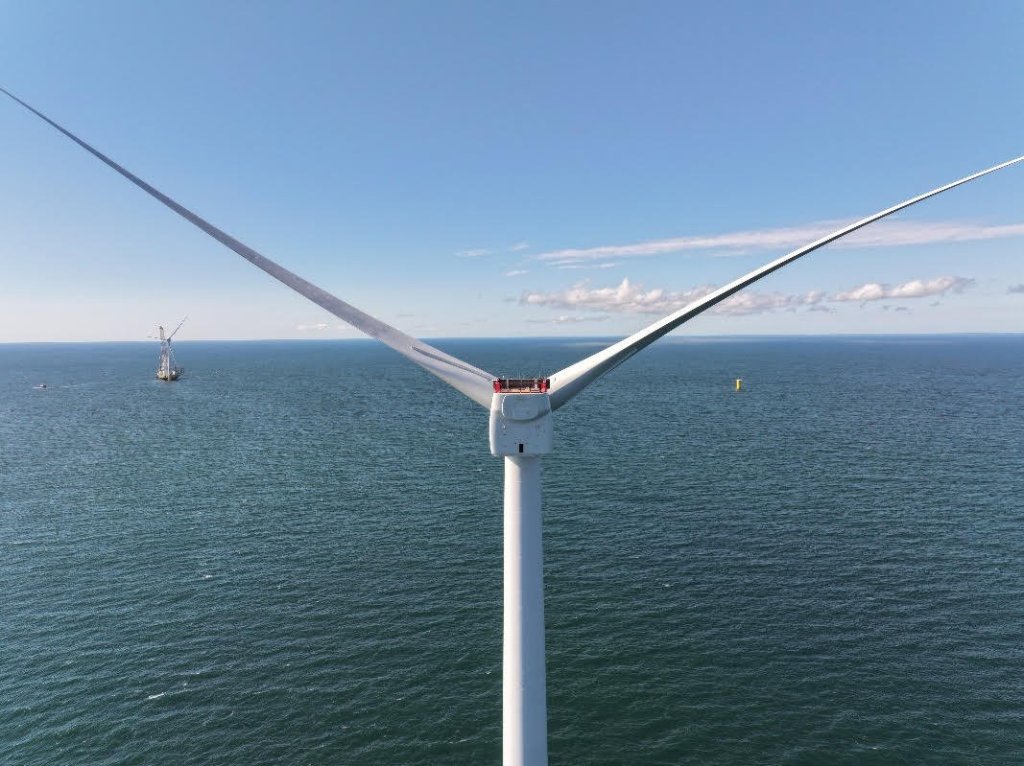
Aikido, an offshore wind developer, is at the forefront of this innovative movement. The company plans to submerge a 100-kilowatt demonstration data center off the coast of Norway within the year. This pilot project involves housing the data center within the submerged pods of a floating offshore wind turbine.
Should this initiative prove successful, Aikido aims to scale up its operations. By 2028, the company envisions deploying a larger facility off the coast of the United Kingdom. This expanded model would feature a 15 to 18 megawatt turbine powering a 10 to 12 megawatt data center, exemplifying the potential for substantial offshore data processing capabilities.
Historical Context and Industry Trends
The concept of submerging data centers is not entirely novel. Over a decade ago, Microsoft embarked on a similar venture. In 2018, the tech giant launched an experimental project off the coast of Scotland, submerging a data center to assess the viability of underwater operations. The results were promising: out of more than 850 servers, only six experienced failures during the 25-month trial period. The data hall’s inert nitrogen gas environment likely contributed to these low failure rates.
Despite these positive outcomes, Microsoft eventually discontinued the project by 2024. However, the open-sourcing of their patents in 2021 has paved the way for other companies, like Aikido, to explore and refine the concept further.
Challenges and Considerations
While the prospects of offshore data centers are enticing, they are not without challenges:
1. Harsh Marine Environments: The ocean presents a formidable setting, with equipment needing to withstand constant exposure to saltwater, pressure variations, and potential biofouling.
2. Structural Integrity: Ensuring that submerged data centers remain secure and stationary amidst ocean currents and potential storms is paramount.
3. Maintenance and Accessibility: Conducting routine maintenance or addressing technical issues becomes more complex when facilities are located underwater, necessitating specialized equipment and protocols.
The Road Ahead
The exploration of offshore data centers signifies a broader industry trend towards sustainable and innovative solutions to meet the burgeoning demands of AI and data processing. As companies like Aikido continue to test and refine these concepts, the potential for a new era of data center operations emerges—one that harmonizes technological advancement with environmental stewardship.
In conclusion, while the journey towards fully operational offshore data centers is fraught with challenges, the convergence of renewable energy utilization, natural cooling efficiencies, and spatial optimization presents a compelling case for their development. As the digital age progresses, such innovations may well become integral components of our global data infrastructure.