Apple’s Studio Display and Studio Display XDR: Unveiling the A19 Chip Variants
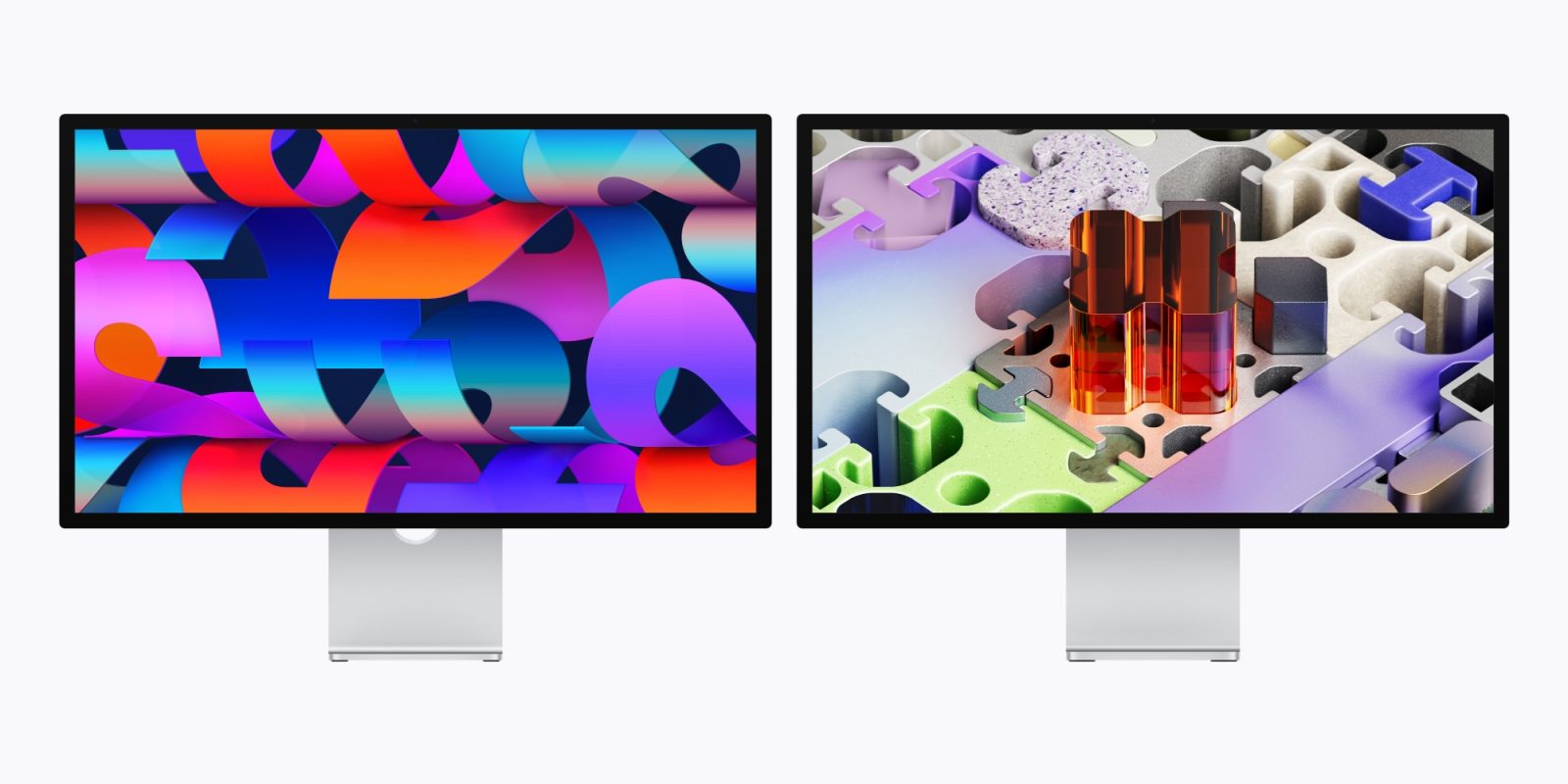
Apple has recently introduced two new external monitors: the Studio Display and the Studio Display XDR. While both models share several features, a notable distinction lies in the type of A19 chip each utilizes.
Divergent A19 Chips in Apple’s Latest Displays
The standard Studio Display is equipped with the A19 chip, the same processor that debuted in the iPhone 17 last fall. In contrast, the Studio Display XDR boasts the more advanced A19 Pro chip. This differentiation was identified through a recent firmware update, as reported by MacRumors.
Both chips represent a significant leap from the A13 Bionic chip found in the 2022 Studio Display model. However, the specific advantages these new chips bring to the displays remain somewhat ambiguous. The primary enhancements over the previous model include Thunderbolt 5 support and improvements to the camera, speakers, and microphones.
Understanding the Need for Enhanced Processing Power
The inclusion of the A19 Pro chip in the Studio Display XDR is likely due to its advanced features, such as the mini-LED backlight, which demands more processing power. This backlight technology utilizes 2,304 local dimming zones, enabling extreme contrast and delivering up to 1,000 nits of SDR brightness and 2,000 nits of peak HDR brightness. These specifications contribute to a 1,000,000:1 contrast ratio, making HDR content more vivid and reducing halo and blooming effects.
On the other hand, the standard Studio Display’s need for the A19 chip is less clear. While it does offer upgrades like Thunderbolt 5 and enhanced audio-visual components, these features may not fully utilize the capabilities of the A19 chip. It is possible that Apple is future-proofing the device or planning to introduce software features that will leverage the chip’s power.
Key Specifications of the Studio Display and Studio Display XDR
Studio Display:
– Display: 27-inch 5K Retina display with a resolution of 5120-by-2880 pixels at 218 pixels per inch.
– Brightness: Up to 600 nits.
– Color Support: P3 wide color gamut with support for 1 billion colors.
– Camera: 12MP Center Stage camera.
– Audio: High-fidelity six-speaker system with Spatial Audio support and a three-microphone array for studio-quality recording.
– Connectivity: One upstream Thunderbolt 5 port and three USB-C ports (up to 10Gb/s).
Studio Display XDR:
– Display: 27-inch 5K Retina XDR display with a resolution of 5120-by-2880 pixels at 218 pixels per inch.
– Backlight: Mini-LED with 2,304 local dimming zones.
– Brightness: Up to 1,000 nits (SDR) and 2,000 nits peak (HDR).
– Contrast Ratio: 1,000,000:1.
– Refresh Rate: 120Hz with Adaptive Sync.
– Color Support: P3 and Adobe RGB wide color gamuts with support for 1 billion colors.
– Camera: 12MP Center Stage camera with Desk View support.
– Audio: High-fidelity six-speaker system with Spatial Audio support and a three-microphone array for studio-quality recording.
– Connectivity: One upstream Thunderbolt 5 port, one downstream Thunderbolt 5 port, and two USB-C ports (up to 10Gb/s).
Compatibility Considerations
Potential buyers should be aware of compatibility issues. The new Studio Displays are designed to work seamlessly with Macs featuring Apple silicon and macOS Tahoe 26.3.1 or later. This includes models like the 16-inch MacBook Pro (2021 and later), 14-inch MacBook Pro (2021 and later), and Mac Studio (2022 and later). However, compatibility with Intel-based Macs and the MacBook Neo is not guaranteed. Apple has confirmed that the MacBook Neo is compatible but will be scaled to 4K at 60Hz.
Availability and Pricing
Both Studio Display models are available for pre-order on Apple’s website, with the earliest shipping date set for March 11. The standard Studio Display starts at $1,599, while the Studio Display XDR is priced at $3,299. Additional options, such as nano-texture glass and adjustable stands, are available at extra costs.
Conclusion
Apple’s latest Studio Display and Studio Display XDR offer significant advancements in display technology, with the inclusion of different A19 chips tailored to each model’s specific features. While the full extent of these chips’ benefits remains to be seen, they undoubtedly contribute to the enhanced performance and capabilities of these new displays.