Apple’s Studio Display XDR: Compatibility and Performance Insights
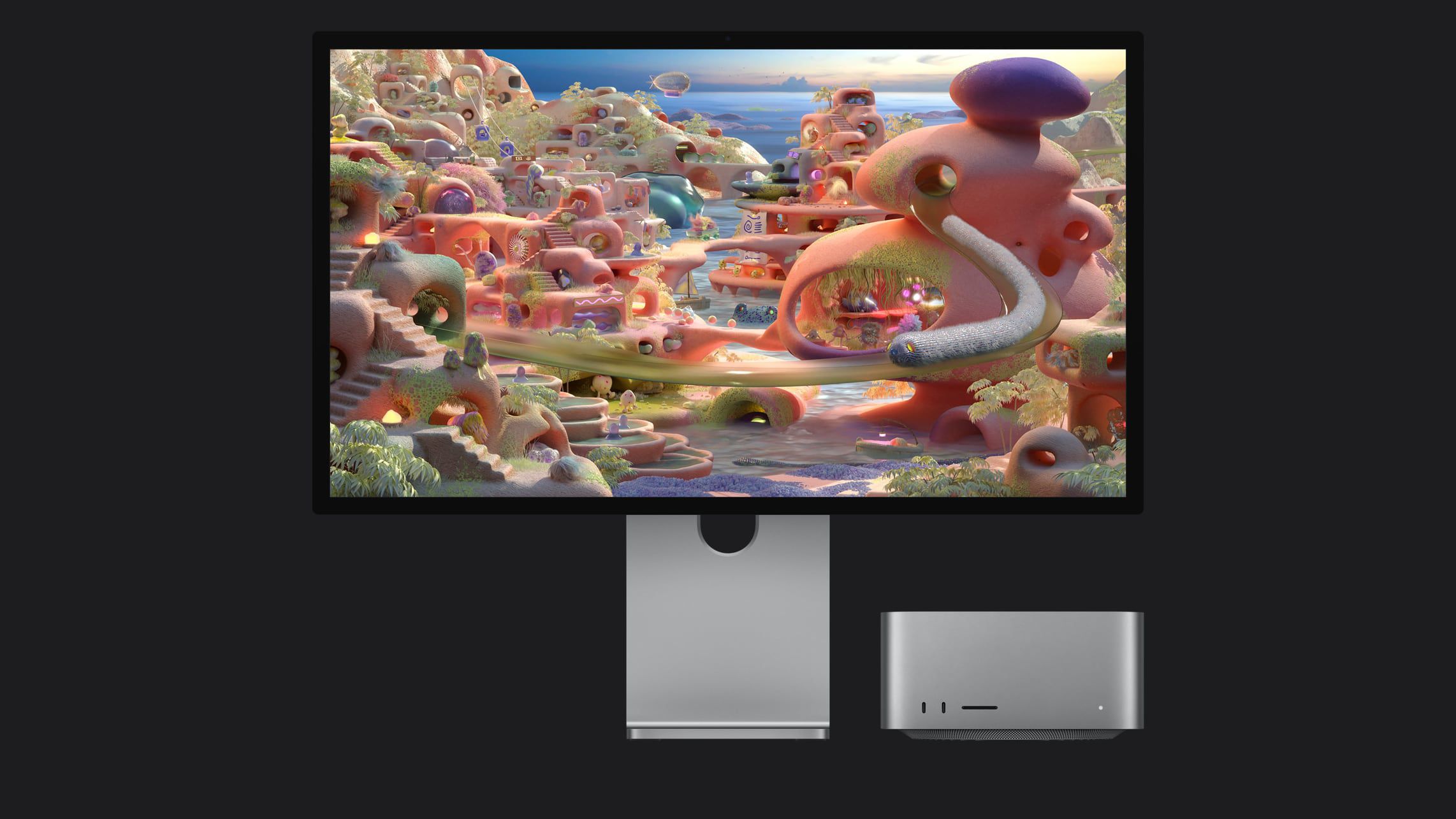
Apple’s latest innovation, the Studio Display XDR, has garnered significant attention for its advanced features, including a mini-LED display capable of up to a 120Hz refresh rate. However, to fully utilize this high refresh rate, users must ensure their devices meet specific hardware requirements.
Understanding Compatibility:
Apple has outlined that only certain Mac models can support the Studio Display XDR at its full 120Hz refresh rate. Specifically, Macs equipped with the following chips are compatible:
– M2 Pro, M2 Max, M2 Ultra
– M3 Pro, M3 Max, M3 Ultra
– M4 Pro, M4 Max
– M5, M5 Pro, M5 Max
For users with Macs powered by M1, M1 Pro, M1 Max, M1 Ultra, M2, or M3 chips, the Studio Display XDR will operate at a maximum of 60Hz. It’s important to note that while the refresh rate is limited, all other features of the display remain fully functional on these devices.
iPad Compatibility:
The Studio Display XDR isn’t limited to Mac users. The M5 iPad Pro supports the display at 120Hz, offering a seamless experience for users seeking high refresh rates on a tablet. Other compatible iPad models, including the M4 iPad Pro, 3rd to 6th generation 12.9-inch iPad Pro, 1st to 4th generation 11-inch iPad Pro, and M2, M3, and M4 iPad Air models, are limited to 60Hz when connected to the Studio Display XDR.
Key Features of the Studio Display XDR:
Beyond its impressive refresh rate, the Studio Display XDR boasts several features designed to enhance user experience:
– Mini-LED Backlighting: This technology provides improved contrast ratios and deeper blacks, enhancing visual clarity.
– Increased Brightness: The display offers higher brightness levels, making it suitable for various lighting conditions.
– Enhanced Pass-Through Charging: With faster 140W pass-through charging, users can efficiently power their devices.
Standard Studio Display Updates:
Apple has also updated the standard Studio Display, introducing:
– Thunderbolt 5 Ports: Two ports offering up to 120Gb/s, with one upstream port providing 96W pass-through charging and one downstream port for accessories or daisy-chaining up to four additional Studio Displays.
– Desk View Support: The built-in 12-megapixel Center Stage camera now supports Desk View, expanding its functionality.
– Improved Audio: The six-speaker sound system’s woofers deliver 30% deeper bass compared to the previous model.
Pricing and Availability:
The Studio Display XDR is priced starting at $3,299, while the standard Studio Display begins at $1,599. Both models are available for pre-order starting Wednesday, March 4, at 6:15 a.m. Pacific Time, with a launch scheduled for March 11. Customers can opt for anti-reflective, nano-texture glass for an additional $300. Upgrade options such as a height-adjustable stand and VESA mount adapter are also available.
Considerations for Potential Buyers:
For users with older Macs or iPads that don’t support the 120Hz refresh rate, the standard Studio Display may be a more cost-effective choice, given its lower price point and the refresh rate limitations on older hardware.
Conclusion:
Apple’s Studio Display XDR represents a significant advancement in display technology, offering features that cater to professionals and enthusiasts alike. However, to fully benefit from its capabilities, users must ensure their devices are compatible with the display’s requirements. As technology continues to evolve, staying informed about hardware compatibility will be crucial for users aiming to maximize their investment in Apple’s ecosystem.