Apple’s New Studio Displays: A Leap Forward, But Not for Intel Mac Users
Apple has unveiled its latest innovations in display technology—the Studio Display and the Studio Display XDR. These cutting-edge monitors boast impressive features designed to enhance the user experience. However, a significant limitation has emerged: these new displays are incompatible with Intel-based Macs.
Compatibility Constraints
According to Apple’s official compatibility list, the new Studio Display and Studio Display XDR are designed exclusively for Macs equipped with Apple Silicon chips. This means that users with Intel-based Macs will not be able to utilize these new monitors. The supported models include:
– 16-inch MacBook Pro (2021 and later)
– 14-inch MacBook Pro (2021 and later)
– 13-inch MacBook Pro (M1, 2020 and later)
– 15-inch MacBook Air (2023 and later)
– 13-inch MacBook Air (M1, 2020 and later)
– Mac Studio (2022 and later)
– Mac mini (2020 and later)
– Mac Pro (2023 and later)
– 24-inch iMac (2021 and later)
This strategic move underscores Apple’s commitment to transitioning its product line to its proprietary Apple Silicon architecture. The exclusion of Intel-based Macs from compatibility with these new displays signals a clear shift in focus towards the M-series chips.
A Closer Look at the New Displays
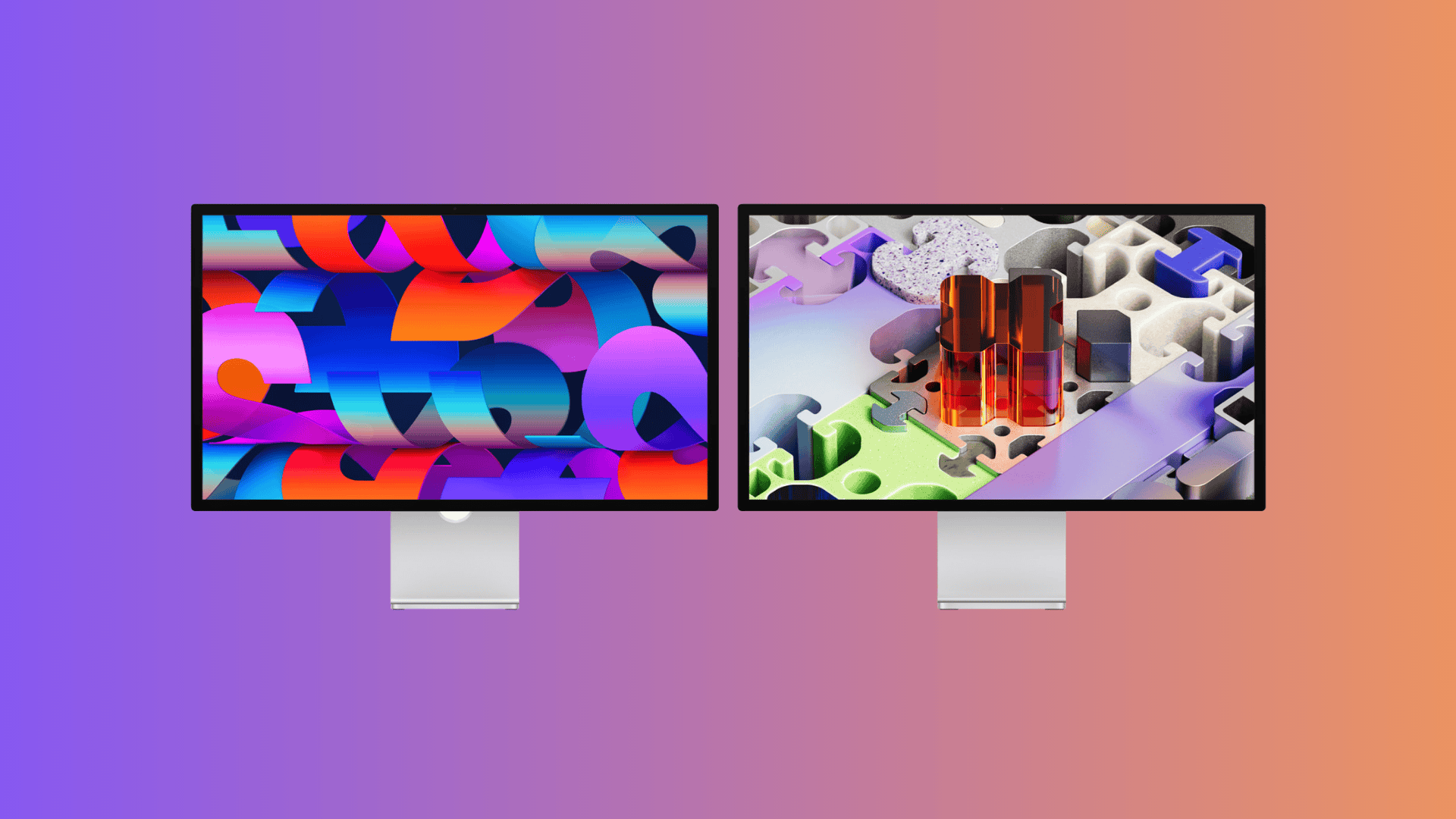
The Studio Display is a 27-inch 5K Retina display that offers 600 nits of brightness, P3 wide color gamut, and support for one billion colors. It also features a 12MP Ultra Wide camera with Center Stage, studio-quality microphones, and a six-speaker sound system with Spatial Audio support. The display includes one Thunderbolt port delivering up to 96W of power and three USB-C ports for connecting peripherals.
The Studio Display XDR takes it a step further with a 27-inch 5K Retina XDR display featuring an advanced mini-LED backlight with over 2,000 local dimming zones. It offers up to 1000 nits of SDR brightness and 2000 nits of peak HDR brightness, along with a wider color gamut. The display boasts a 120Hz refresh rate, with Adaptive Sync dynamically adjusting frame rates for various content types. It is equipped with the same advanced camera and audio system as the Studio Display and includes Thunderbolt 5 connectivity.
Implications for Intel Mac Users
For users still operating Intel-based Macs, this development presents a significant limitation. Despite the continued functionality of many Intel Macs for daily tasks, they are now excluded from utilizing the latest display technology offered by Apple. This exclusion may prompt users to consider upgrading to newer models equipped with Apple Silicon to take advantage of these advancements.
The Transition to Apple Silicon
Apple began its transition from Intel processors to its own Apple Silicon in 2020. The MacBook Air was the first to make the switch, followed by the MacBook Pro lineup in 2021, and other Macs subsequently. The final Intel Mac Pro was discontinued in 2023, marking the end of Apple’s Intel era. This transition has been accompanied by software updates tailored to optimize performance on Apple Silicon, further solidifying the shift.
Software Support and Future Updates
In terms of software, macOS Tahoe will be the final major update available for Intel-based Macs. These models will not receive macOS 27 or subsequent feature updates. However, Apple has committed to providing security updates for Intel Macs for an additional three years, ensuring continued protection against vulnerabilities during this period.
Pre-Order and Availability
The new Studio Display and Studio Display XDR will be available for pre-order starting March 4 at 9:15 a.m. Eastern Time. Customers interested in these displays should verify their Mac’s compatibility before making a purchase to ensure a seamless experience.
Conclusion
Apple’s introduction of the Studio Display and Studio Display XDR represents a significant advancement in display technology, offering enhanced features and performance. However, the decision to limit compatibility to Apple Silicon Macs highlights the company’s strategic direction and may influence users with Intel-based Macs to consider upgrading to newer models to access the latest innovations.