Cyber Warfare Tactics: Hacked Traffic Cams and Hijacked Broadcasts in the Iran Conflict
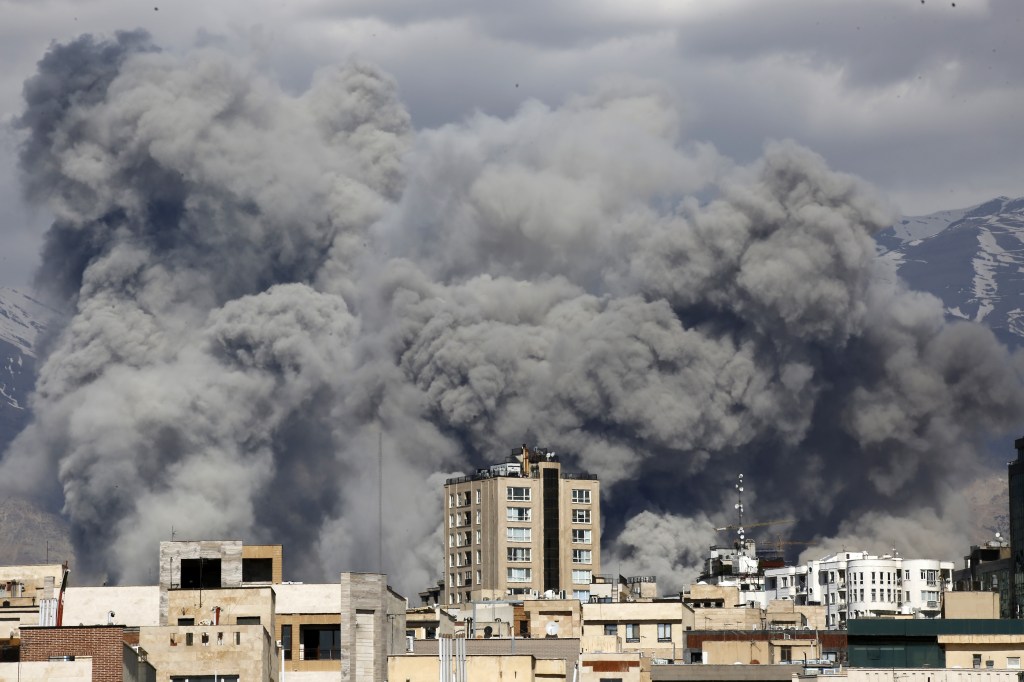
In a significant escalation of hostilities, U.S. and Israeli forces initiated a bombing campaign against Iran on Saturday, resulting in the death of Supreme Leader Ali Khamenei and several senior officials. The offensive targeted both military and civilian sites nationwide, including a tragic strike on a girls’ school that claimed the lives of at least 168 children and adults.
Emerging reports and official statements indicate that cyber operations were integral to the onset of this conflict. These digital strategies have become pivotal in modern warfare, complementing physical attacks, gathering intelligence, and conducting psychological operations.
General Dan Caine, U.S. Chairman of the Joint Chiefs of Staff, confirmed the role of cyber tactics, stating that coordinated space and cyber operations effectively disrupted communications and sensor networks in Iran prior to the assault. This disruption left Iranian forces unable to see, coordinate, or respond effectively, with the objective being to disrupt, disorient, and confuse the enemy.
In a coordinated effort, Israeli forces bombed the offices of two state-owned Islamic Republic of Iran Broadcasting (IRIB) channels. Subsequently, the Israel Defense Forces hijacked these broadcasts to air messages from former U.S. President Donald Trump and Israeli Prime Minister Benjamin Netanyahu, urging Iranian citizens to oppose the regime. A similar incident occurred in January, highlighting the strategic use of media manipulation.
Israeli intelligence reportedly utilized hacked traffic cameras across Tehran to facilitate the operation against Khamenei. According to sources, Israel had access to these surveillance networks for years and had deeply infiltrated mobile phone networks, providing critical real-time intelligence.
Unattributed cyberattacks, likely orchestrated by U.S. or Israeli operatives, have also been reported. On the conflict’s first day, hackers compromised the popular Iranian prayer app BadeSaba Calendar, sending messages to users that read: For the freedom of our Iranian brothers and sisters, this is a call to all oppressive forces—lay down your weapons or join the forces of liberation. This operation aimed to influence individuals sympathetic to the regime.
In response, Iranian cyber capabilities have been notably subdued. Analysts suggest that the near-total internet blackout imposed by Iranian authorities to thwart cyberattacks may have hindered their own offensive operations.
While the effectiveness of these cyber operations is subject to debate, their role in modern warfare is undeniable. Authorities may sometimes exaggerate their impact to intimidate adversaries, as seen in previous conflicts where cyber activities were claimed to have caused significant disruptions, though physical attacks were more likely responsible.