Cyber Onslaught and Internet Blackouts Plague Iran Amid U.S. Airstrikes
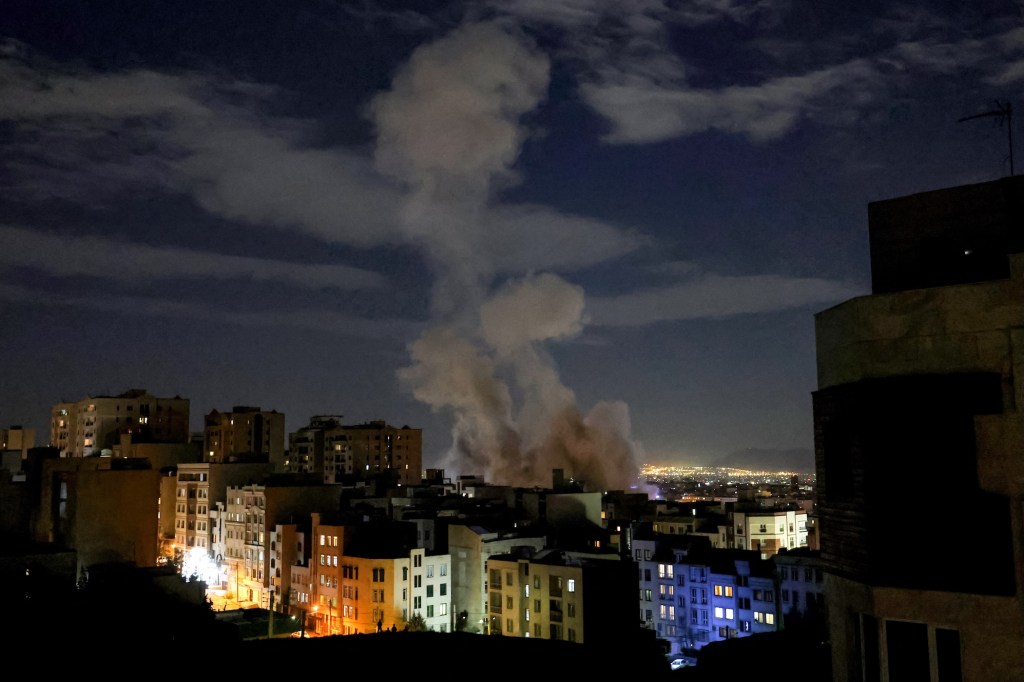
In the early hours of Saturday, March 1, 2026, Iran’s capital, Tehran, along with several other cities, became the epicenter of a coordinated military offensive led by the United States and Israel. This operation resulted in the death of Iran’s Supreme Leader, Ali Hosseini Khamenei, and other high-ranking officials. Concurrently, the nation faced a series of cyberattacks and widespread internet disruptions, compounding the turmoil.
Military Strikes and Leadership Decimation
The airstrikes were the culmination of escalating tensions following unsuccessful diplomatic negotiations between Tehran and Washington. These talks aimed to address the aftermath of extensive protests that had gripped Iran for weeks, leading to thousands of casualties and the country’s most prolonged internet shutdown to date. The precision of the strikes not only targeted military installations but also aimed at crippling the nation’s command structure by eliminating its top leadership.
Cyber Intrusions Amidst Chaos
As missiles rained down on Iranian cities, citizens reported an unexpected digital assault. Users of the widely-used BadeSaba prayer application, which boasts over 5 million downloads, received a barrage of unsolicited notifications. These messages, not from the beleaguered government but seemingly from external actors, called for a reckoning and offered amnesty to those opposing the regime. One such notification declared that the Iranian leadership would pay for their cruel and merciless actions against the innocent people of Iran, suggesting that the app had been compromised to disseminate anti-government propaganda.
The identity of the perpetrators behind this cyber intrusion remains unknown. However, the incident underscores the vulnerability of digital platforms to manipulation, especially during periods of national crisis.
Strategic Cyber Warfare
The Jerusalem Post reported that cyberattacks were integral to the U.S. and Israeli military strategy, aiming to incapacitate Iran’s ability to mount a swift response. Historically, both nations have been implicated in cyber operations targeting Iranian infrastructure. Notably, in June 2025, Iran’s largest cryptocurrency exchange, Nobitex, suffered a significant breach. Hackers drained approximately $90 million from its hot wallet, with the pro-Israel hacking group Predatory Sparrow claiming responsibility. The group accused Nobitex of financing terrorism and evading international sanctions.
In a related incident, Bank Sepah, one of Iran’s top banks, experienced widespread ATM outages due to cyberattacks. These events highlight a pattern of cyber warfare employed to destabilize Iran’s financial systems and erode public trust in governmental institutions.
Government-Imposed Internet Blackouts
In response to these multifaceted threats, the Iranian government has previously resorted to nationwide internet shutdowns. In January 2026, amid massive anti-government protests, authorities imposed one of the longest internet blackouts in the country’s history, lasting over 170 hours. Officials justified these actions as necessary measures to protect against external cyber threats and to maintain national security.
Fatemeh Mohajerani, Iran’s government spokesperson, stated, We have previously stated that if necessary, we will certainly switch to a national internet and restrict global internet access. Security is our main concern, and we are witnessing cyberattacks on the country’s critical infrastructure and disruptions in the functioning of banks.
International Implications and Cybersecurity Concerns
The recent events in Iran have broader implications for global cybersecurity. The U.S. Department of Homeland Security has previously warned of potential Iranian-backed cyberattacks targeting U.S. networks. In June 2025, the department issued a bulletin anticipating disruptive and destructive cyber operations against strategic targets, including telecommunications and energy sectors.
Microsoft has also been active in countering Iranian cyber threats. In June 2022, the tech giant disrupted a Lebanon-based hacking group, Polonium, believed to be working with Iranian intelligence. This group targeted over 20 organizations in Israel, focusing on critical manufacturing, IT, and defense industries.
The Human Cost of Digital Warfare
Beyond the geopolitical and economic ramifications, the human cost of these cyber conflicts is profound. Internet shutdowns not only stifle free expression but also hinder access to essential services and communication with loved ones. During the prolonged internet blackout in January 2026, many Iranians found themselves isolated, unable to reach family members or access vital information.
Activists and independent investigators have highlighted the challenges faced by ordinary citizens during these shutdowns. While some tech-savvy individuals managed to bypass restrictions using virtual private servers, the majority remained disconnected, exacerbating the sense of isolation and vulnerability.
Conclusion
The convergence of kinetic military actions and cyber warfare in Iran underscores the evolving nature of modern conflicts. As nations increasingly integrate digital strategies into their military operations, the line between physical and virtual battlegrounds continues to blur. For Iran, the recent airstrikes and accompanying cyberattacks represent a multifaceted assault on its sovereignty, infrastructure, and the daily lives of its citizens. The international community must grapple with the implications of such integrated warfare strategies and work towards frameworks that protect both national security and individual freedoms in the digital age.