Polymarket’s $529 Million Surge in Iran Conflict Bets Raises Ethical and Legal Questions
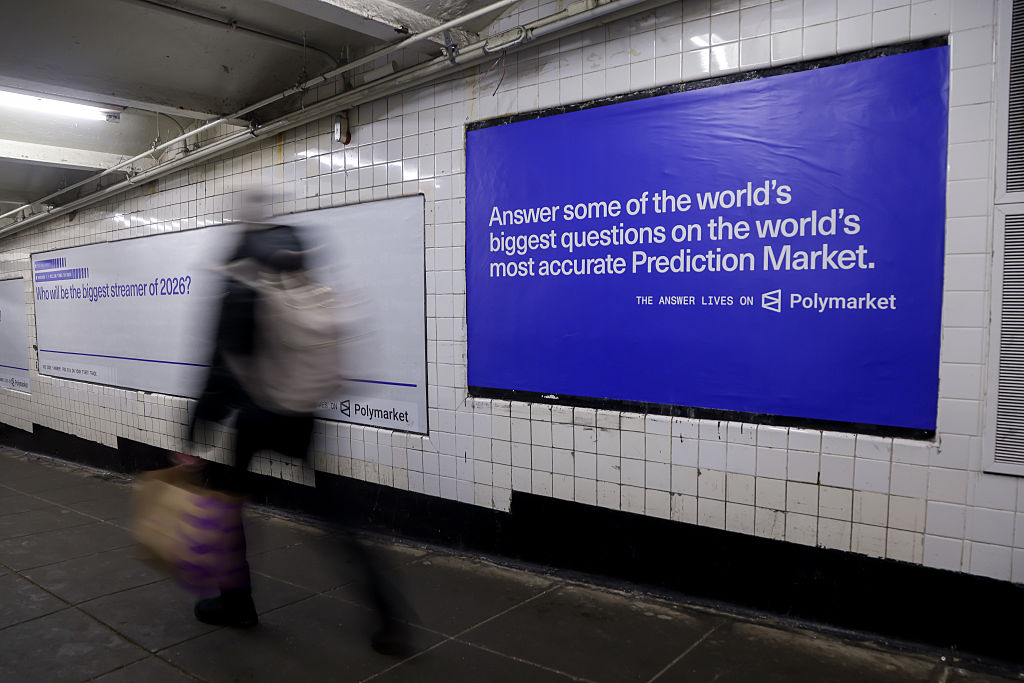
In recent developments, Polymarket, a prominent prediction market platform, has witnessed an unprecedented $529 million in trades related to the timing of military actions against Iran by the United States and Israel. This surge in activity has ignited a complex debate surrounding the ethical implications and potential legal ramifications of wagering on geopolitical events.
The Rise of Prediction Markets
Prediction markets like Polymarket allow users to place bets on the outcomes of real-world events, ranging from political elections to entertainment awards. These platforms operate by creating contracts that pay out based on the occurrence of specific events, effectively turning public speculation into a tradable commodity.
The appeal of such markets lies in their ability to aggregate diverse opinions, potentially leading to more accurate forecasts than traditional methods. However, the recent focus on sensitive geopolitical events has brought these platforms under intense scrutiny.
The Iran Conflict Bets
The substantial volume of trades concerning the bombing of Iran has raised eyebrows among analysts and regulators. An investigation by analytics firm Bubblemaps SA revealed that six newly created accounts collectively profited approximately $1 million by correctly predicting a U.S. strike on Iran by February 28. This pattern suggests the possibility of insider trading, where individuals with privileged information exploit their knowledge for financial gain.
Nicolas Vaiman, CEO of Bubblemaps, highlighted the risks associated with such activities, stating that the dissemination of information related to war or conflict, combined with the anonymity provided by platforms like Polymarket, can incentivize informed participants to act prematurely.
Ethical and Legal Considerations
The practice of betting on events involving human casualties and geopolitical instability raises significant ethical concerns. Critics argue that such markets may inadvertently encourage actions that lead to loss of life, as individuals could potentially profit from violent outcomes.
In response to these concerns, Tarek Mansour, CEO of Kalshi—a competing prediction market—emphasized their commitment to ethical standards. He stated that Kalshi refrains from listing markets directly tied to death and designs rules to prevent users from profiting from fatal outcomes. Furthermore, Kalshi has committed to reimbursing all fees associated with bets where potential outcomes involve death.
Regulatory Landscape
The surge in bets related to the Iran conflict has also drawn attention from regulatory bodies. In the United States, the Commodity Futures Trading Commission (CFTC) oversees such platforms to ensure compliance with financial regulations. In 2022, Polymarket reached a settlement with the CFTC, agreeing to cease offering markets to U.S. users without proper registration. This agreement underscores the regulatory challenges faced by prediction markets operating in sensitive domains.
Internationally, several countries have imposed restrictions on prediction markets. For instance, the United Kingdom, France, and Singapore have implemented bans or limitations, citing concerns over gambling and the potential for market manipulation.
The Future of Prediction Markets
The controversy surrounding Polymarket’s recent activities highlights the need for a balanced approach to the operation of prediction markets. While these platforms can offer valuable insights and enhance public understanding of complex issues, they must navigate the fine line between innovation and ethical responsibility.
Moving forward, it is imperative for prediction market operators to collaborate with regulators to establish clear guidelines that prevent exploitation and ensure the integrity of the markets. Additionally, fostering transparency and implementing robust mechanisms to detect and deter insider trading will be crucial in maintaining public trust.
In conclusion, the recent surge in bets related to the bombing of Iran on Polymarket serves as a stark reminder of the ethical and legal complexities inherent in prediction markets. As these platforms continue to evolve, stakeholders must work together to create a framework that upholds ethical standards while embracing the potential benefits of collective forecasting.