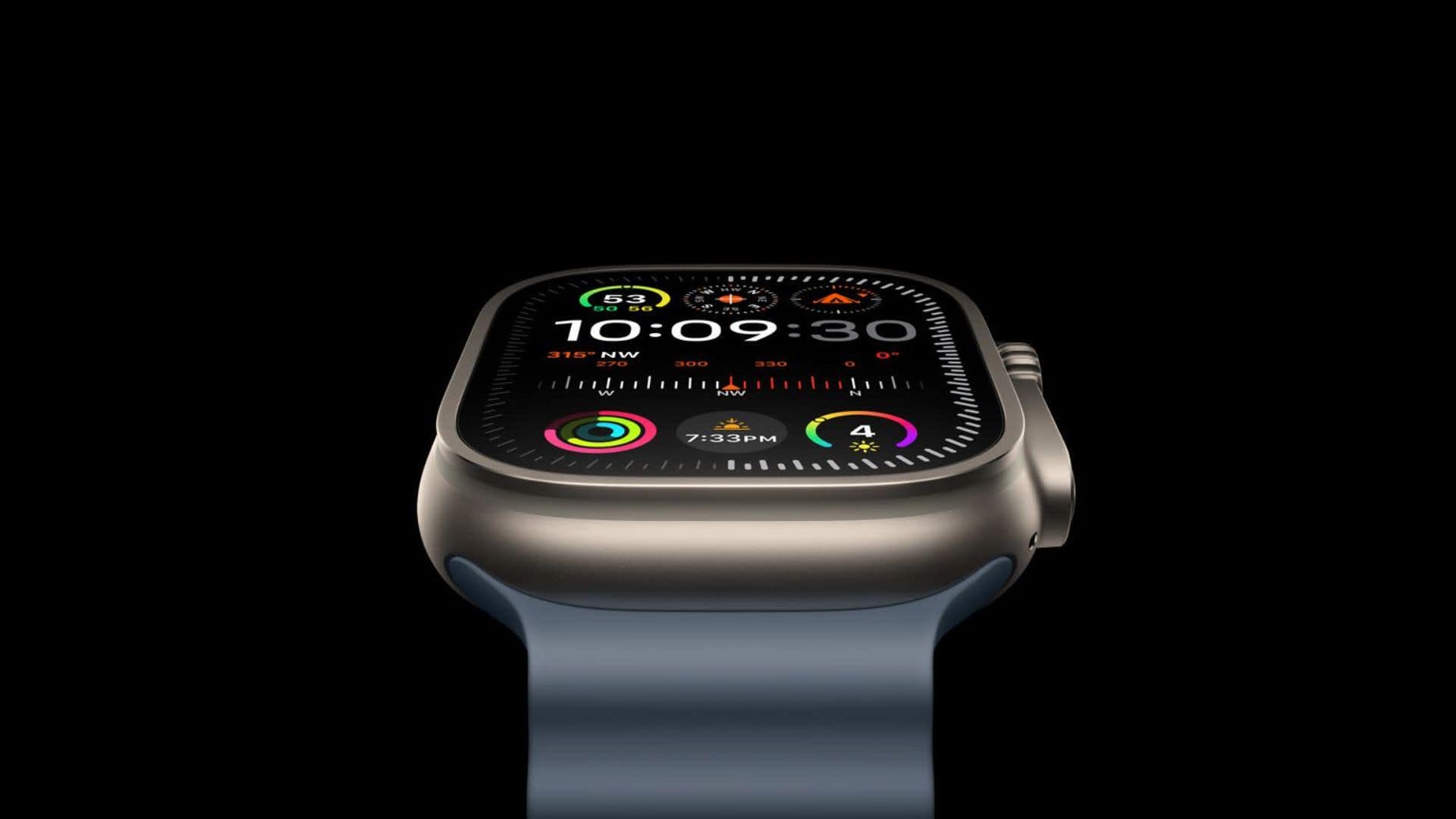
Apple Watch Ultra 4: Anticipated Features and Release Timeline
As Apple enthusiasts eagerly await the next iteration of the Apple Watch Ultra series, the forthcoming Apple Watch Ultra 4 is poised to introduce a suite of enhancements that promise to elevate the user experience. While official details remain under wraps, a confluence of supply chain insights, firmware discoveries, and expert analyses offers a glimpse into what we might expect from this highly anticipated device.
Projected Release Schedule
Apple has established a consistent pattern of unveiling new Apple Watch models during its September events, typically coinciding with iPhone announcements. For instance, the Apple Watch Ultra 3 was introduced in September 2025, with preorders commencing shortly thereafter and the official release following within a week. If this trend continues, the Apple Watch Ultra 4 is likely to be announced in September 2026, with availability expected soon after. ([macobserver.com](https://www.macobserver.com/news/apple-watch-ultra-4-release-date-what-to-expect-this-year/?utm_source=openai))
Enhanced Health Monitoring Capabilities
A significant focus for the Apple Watch Ultra 4 appears to be the advancement of health monitoring features. Reports suggest that the device will incorporate an expanded array of sensors, potentially doubling the number found in current models. This expansion aims to provide more direct and accurate health measurements, reducing reliance on algorithmic estimations and thereby enhancing data precision. Such improvements are also anticipated to contribute to better power efficiency, as the system would require fewer background computations. ([macobserver.com](https://www.macobserver.com/news/apple-watch-ultra-4-release-date-what-to-expect-this-year/?utm_source=openai))
While the integration of blood glucose monitoring has been a topic of speculation, current indications suggest that this feature may not be included in the Ultra 4. Development in this area is ongoing, but it appears that the technology may not be ready for deployment in the 2026 model.
Design Refinements
In terms of design, the Apple Watch Ultra 4 is expected to undergo subtle yet meaningful refinements. Although earlier rumors hinted at a major redesign associated with the adoption of MicroLED display technology, recent reports indicate that Apple has postponed these plans. Consequently, the Ultra 4 is likely to retain the OLED display, with design changes focusing on:
– A slightly slimmer titanium case, potentially reducing thickness by approximately 15%.
– Refined button configurations for improved ergonomics.
– Introduction of new finishes or material treatments to enhance aesthetics.
– Minor adjustments in size to optimize wearability.
These evolutionary updates aim to preserve the familiar form factor while offering a more polished and comfortable user experience. ([macobserver.com](https://www.macobserver.com/news/apple-watch-ultra-4-release-date-what-to-expect-this-year/?utm_source=openai))
Integration of Touch ID
One of the more intriguing developments is the potential integration of Touch ID into the Apple Watch Ultra 4. References to AppleMesa, Apple’s internal codename for Touch ID, have been discovered within leaked firmware for upcoming Apple Watch models. This suggests that Apple is exploring biometric authentication directly on the watch, with possible implementations including:
– Incorporation into the side button.
– Embedding within the Digital Crown.
– Integration with the Action button.
The addition of Touch ID would streamline user interactions by reducing the need for passcode entries and enhancing security for Apple Pay transactions and sensitive health data access. ([macobserver.com](https://www.macobserver.com/news/apple-watch-ultra-4-release-date-what-to-expect-this-year/?utm_source=openai))
Improved Power Efficiency and Battery Life
Battery performance has been a focal point in the evolution of the Apple Watch Ultra series. The Ultra 3 introduced notable improvements, and the Ultra 4 is expected to continue this trajectory. Anticipated enhancements include:
– A more efficient S-series processor, likely contributing to faster performance and reduced energy consumption.
– Optimized sensor architecture designed to minimize power usage.
– Extended battery life, with projections of up to 72 hours in low-power mode.
– Potential adjustments to battery size to accommodate these improvements.
These advancements aim to support users during extended activities such as training sessions, races, or daily routines without frequent recharging. ([macobserver.com](https://www.macobserver.com/news/apple-watch-ultra-4-release-date-what-to-expect-this-year/?utm_source=openai))
Environmental Considerations
Apple’s commitment to environmental sustainability is expected to be evident in the Ultra 4. Building upon previous initiatives, the device is likely to feature:
– Use of recycled materials, including gold in circuit board plating and rare earth elements in magnets.
– Arsenic-free display glass and elimination of harmful substances such as mercury, BFR, PVC, and beryllium.
– Eco-friendly packaging, with a significant reduction in plastic use, aligning with Apple’s goal to eliminate plastic from packaging by 2025.
These efforts underscore Apple’s dedication to reducing the environmental impact of its products. ([apple.com](https://www.apple.com/newsroom/2022/09/introducing-apple-watch-ultra/?utm_source=openai))
Conclusion
While official confirmation from Apple is pending, the Apple Watch Ultra 4 is shaping up to be a significant advancement in the smartwatch domain. With anticipated enhancements in health monitoring, design, security features, battery life, and environmental sustainability, the Ultra 4 is poised to offer a comprehensive and refined user experience. As the projected September 2026 release approaches, consumers can look forward to a device that seamlessly integrates cutting-edge technology with thoughtful design and eco-conscious practices.