Pentagon Labels Anthropic a Supply Chain Risk Amid AI Policy Clash
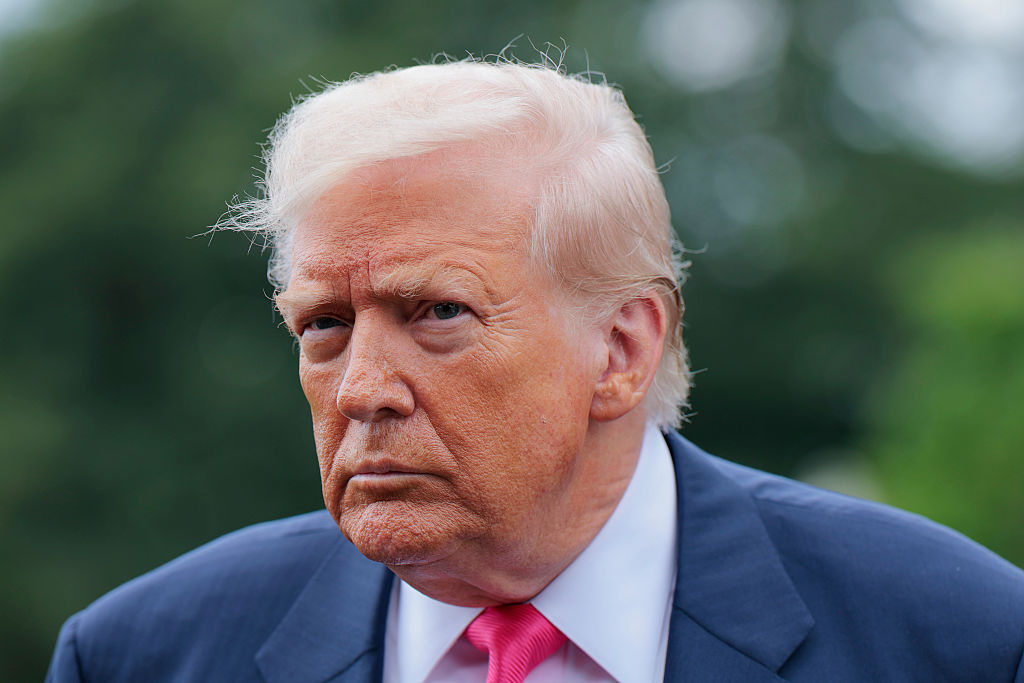
In a significant development, President Trump has instructed all federal agencies to discontinue the use of Anthropic’s products, following a contentious disagreement between the AI company and the Department of Defense (DoD). This directive includes a six-month period for agencies to transition away from Anthropic’s technologies, underscoring the administration’s decision to sever ties with the firm.
We don’t need it, we don’t want it, and will not do business with them again, President Trump stated on Truth Social.
While the President’s announcement did not initially mention designating Anthropic as a supply chain risk, Secretary of Defense Pete Hegseth subsequently confirmed this measure. He declared that, effective immediately, any contractor, supplier, or partner associated with the U.S. military is prohibited from engaging in commercial activities with Anthropic.
The core of this dispute lies in Anthropic’s firm stance against allowing its AI models to be utilized for mass domestic surveillance or the development of fully autonomous weapons systems. Secretary Hegseth viewed these restrictions as overly limiting, leading to the current impasse.
Anthropic’s CEO, Dario Amodei, has remained steadfast in his position, emphasizing the company’s commitment to ethical AI usage. In a public statement, Amodei expressed a preference to continue supporting the Department of Defense and military personnel, provided that the company’s two key safeguards are respected. He also assured that, should the DoD choose to terminate their partnership, Anthropic would facilitate a smooth transition to alternative providers to prevent disruptions in military operations.
This situation highlights the ongoing tension between technological innovation and ethical considerations in military applications. As AI continues to evolve, the balance between national security interests and ethical constraints remains a critical and complex issue.