Apple’s iPhone and iPad Achieve NATO Certification for Restricted Classified Use
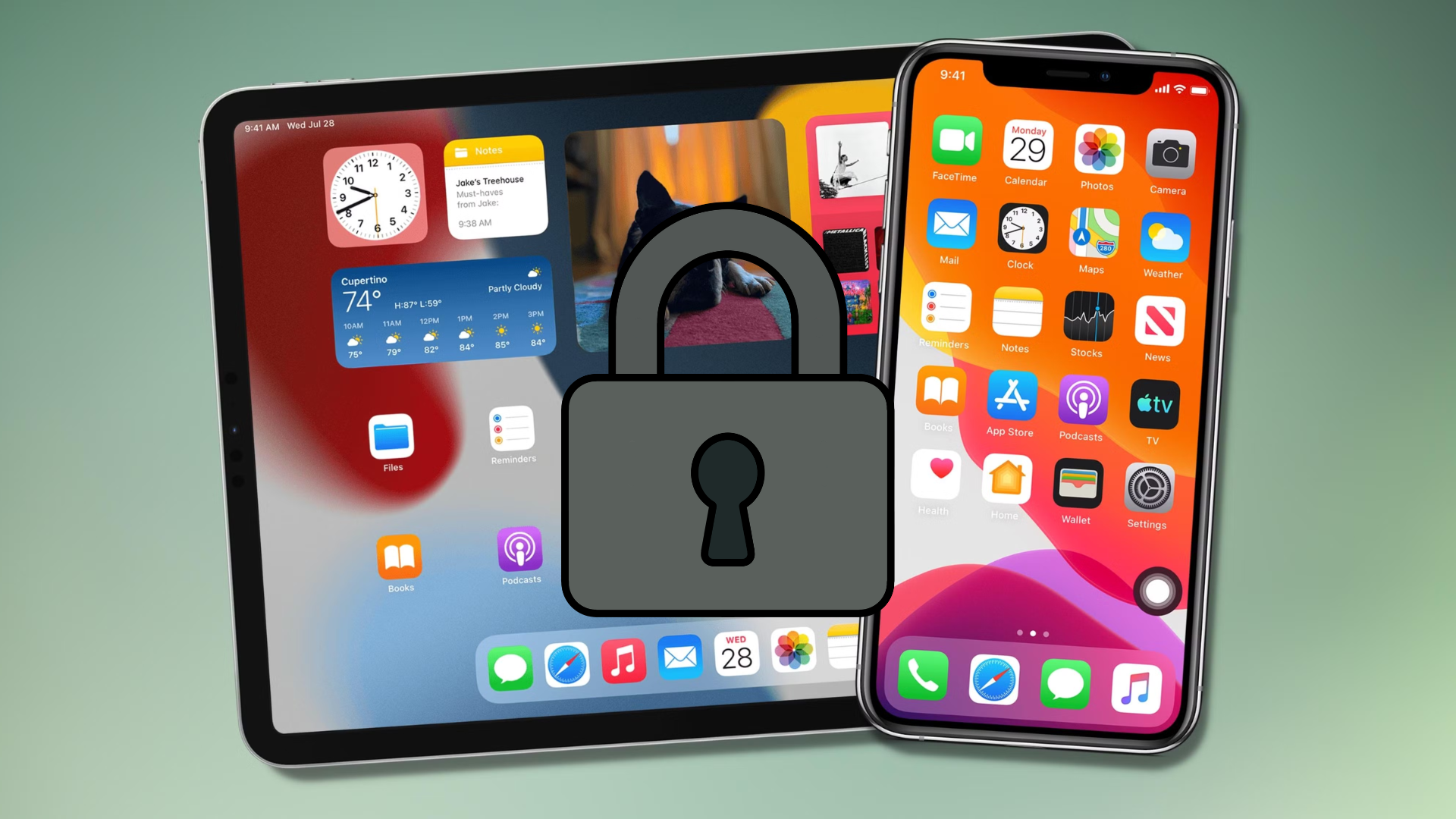
In a significant advancement for mobile security, Apple’s iPhone and iPad have been officially approved to handle information classified up to the NATO Restricted level. This certification underscores the robust security architecture inherent in Apple’s devices and marks a pivotal moment in the integration of consumer technology within high-security governmental operations.
Achieving NATO Certification
Apple’s journey to this certification involved rigorous evaluations by the German Federal Office for Information Security (BSI). The BSI conducted comprehensive assessments of Apple’s platform security architecture, hardware protections, and system-level safeguards. The outcome confirmed that iPhones and iPads running iOS 26 and iPadOS 26 meet the stringent information assurance requirements set by NATO nations.
Claudia Plattner, President of the BSI, emphasized the importance of integrating security from the inception of product development. She stated, Secure digital transformation is only successful if information security is considered from the beginning in the development of mobile products. This sentiment reflects the growing necessity for consumer devices to adhere to governmental security standards without the need for specialized modifications.
Security by Design
Apple’s approach to security is holistic, embedding protections across hardware, software, and its proprietary Apple silicon. Key features contributing to this certification include:
– Encryption: Ensures that data stored on the device is accessible only to authorized users.
– Face ID Biometric Authentication: Provides a secure and user-friendly method for device access.
– Memory Integrity Enforcement: Protects against potential exploits targeting device memory.
Ivan Krstić, Apple’s Vice President of Security Engineering and Architecture, highlighted the company’s commitment to user security, stating, Apple has built the most secure devices in the world for all its users, and those same protections are now uniquely certified under assurance requirements for NATO nations.
Implications for Government and Defense
This certification signifies a paradigm shift in how governmental and defense agencies approach mobile device security. Historically, such entities relied on custom-built solutions to meet security requirements. Apple’s achievement demonstrates that off-the-shelf consumer devices can now offer comparable levels of protection, potentially reducing costs and simplifying logistics for agencies.
Furthermore, the inclusion of iPhones and iPads in the NATO Information Assurance Product Catalogue means that member nations can confidently deploy these devices for tasks involving restricted classified data. This development not only enhances operational efficiency but also ensures that personnel have access to familiar and user-friendly technology without compromising security.
A Milestone in Consumer Technology
Apple’s certification as the first and only consumer mobile device manufacturer to achieve this level of government clearance is a testament to the company’s dedication to security and innovation. It sets a precedent for other technology companies, highlighting the feasibility and importance of integrating advanced security measures into consumer products from the outset.
As digital threats continue to evolve, the collaboration between technology companies and governmental bodies becomes increasingly vital. Apple’s recent certification not only reinforces the company’s position as a leader in secure consumer technology but also paves the way for broader adoption of commercial devices in high-security environments.