Sophia Space Secures $10M to Revolutionize Space Computing with Innovative Cooling Technology
Sophia Space, a pioneering startup in the aerospace sector, has successfully raised $10 million in seed funding from investors including Alpha Funds, KDDI Green Partners Fund, and Unlock Venture Partners. This capital infusion is earmarked for the development and demonstration of a groundbreaking passive cooling system for space-based computers, addressing one of the most pressing challenges in deploying high-performance processors in orbit.
The Challenge of Cooling in Space
Operating advanced computing systems in the vacuum of space presents unique thermal management challenges. Unlike on Earth, where airflow facilitates heat dissipation, space lacks an atmosphere, making traditional cooling methods ineffective. Nvidia CEO Jensen Huang highlighted this issue, stating, It’s cold in space… [but] there’s no airflow, and so the only way to dissipate is through conduction. This underscores the necessity for innovative solutions to manage the heat generated by high-powered processors in space environments.
Sophia Space’s Innovative Approach
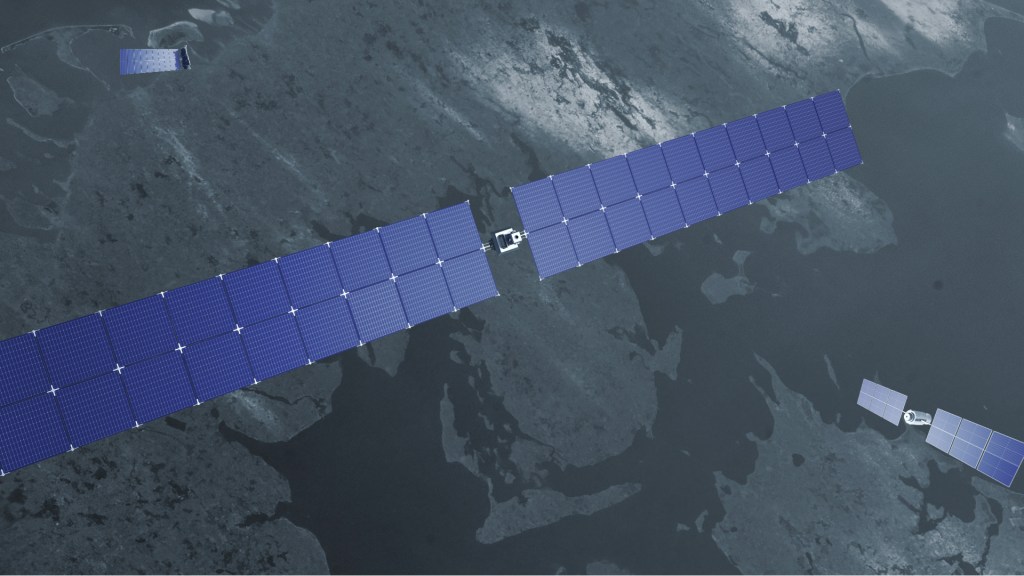
In response to this challenge, Sophia Space is developing a novel passive cooling system that leverages a thin, flexible structure inspired by a $100 million program at Caltech aimed at developing orbital solar plants. This design contrasts sharply with traditional, boxy satellite configurations and offers a more efficient method for heat dissipation. The company’s modular server racks, known as TILES (Thermal Integrated Lightweight Energy Systems), measure 1 meter by 1 meter and are only a few centimeters thick. These TILES integrate solar panels directly into their design, allowing processors to be positioned against passive heat spreaders, thereby eliminating the need for active cooling mechanisms. CEO Rob DeMillo anticipates that this design will enable approximately 92% of the generated power to be utilized for processing tasks, a significant improvement over traditional systems.
Strategic Partnerships and Future Plans
To bring this vision to fruition, Sophia Space plans to collaborate with Apex Space to procure a satellite bus, aiming to validate their technology in orbit by late 2027 or early 2028. This partnership is crucial for demonstrating the viability of their passive cooling system in real-world space conditions. Looking ahead to the 2030s, Sophia Space envisions constructing expansive space data centers composed of thousands of TILES, forming structures measuring 50 meters by 50 meters and delivering 1 megawatt of computing power. This ambitious plan positions Sophia Space as a potential leader in the emerging field of space-based data processing.
Addressing Industry Needs
The demand for efficient on-orbit computing solutions is growing, particularly among Earth-observation satellites that generate vast amounts of sensor data and defense systems requiring rapid data processing. Traditional satellite designs often rely on large radiators to manage thermal conditions, but Sophia Space’s innovative approach offers a more efficient and scalable solution. By providing modular, passively cooled computing units, Sophia Space aims to meet the needs of satellite operators seeking advanced on-orbit processing capabilities.
Conclusion
Sophia Space’s recent funding success and innovative approach to passive cooling in space computing mark a significant step forward in addressing the thermal management challenges of high-performance processors in orbit. With strategic partnerships and a clear vision for the future, Sophia Space is poised to play a pivotal role in the advancement of space-based data processing technologies.