Apple’s Advanced Chip Production: Taiwan’s Dominance Persists Despite U.S. Expansion
Apple’s strategic efforts to diversify its semiconductor manufacturing footprint have led to significant investments in the United States, particularly in Arizona and Texas. However, despite these initiatives, the production of Apple’s most advanced silicon chips remains firmly anchored in Taiwan.
The U.S. Semiconductor Manufacturing Landscape
The journey of an Apple chip begins in Sherman, Texas, where purified silicon is transformed into 12-inch wafers. These wafers are then transported to Taiwan Semiconductor Manufacturing Co.’s (TSMC) facility in Arizona. Here, extreme ultraviolet lithography systems meticulously etch intricate circuits onto the wafers within controlled clean rooms. TSMC’s Arizona campus spans approximately 2,000 acres and represents a multi-billion-dollar investment aimed at bolstering domestic chip production. This facility is responsible for producing A16 processors, which power devices like the iPhone 15 and the entry-level iPad.
While Apple doesn’t directly operate these fabrication plants, its substantial and consistent chip orders provide TSMC with the financial stability necessary to undertake such capital-intensive projects. Apple’s demand for cutting-edge silicon has been a significant catalyst for TSMC’s ambitious expansion plans.
Taiwan’s Continued Dominance in Advanced Chip Manufacturing
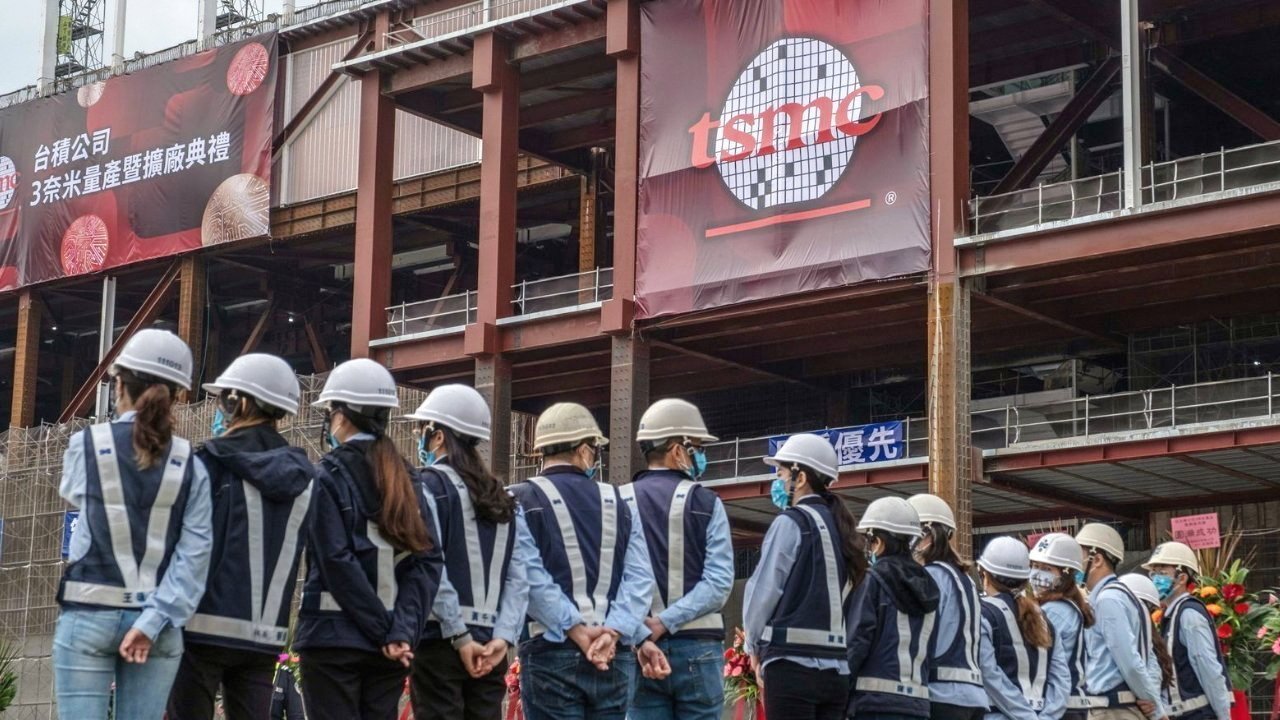
Despite the progress in Arizona, the production of Apple’s latest A19 chip for the iPhone 17 and the M5 chip still relies on Taiwan’s advanced manufacturing capabilities. Taiwan’s semiconductor industry boasts leading-edge process nodes, a deep reservoir of engineering talent, well-established supply chains, and higher production volumes. Moreover, Taiwanese regulations mandate that the most recent chip fabrication technologies remain within the country, further solidifying its position as a global leader in semiconductor manufacturing.
Challenges in the Domestic Supply Chain
One of the critical challenges facing U.S. chip production is the advanced packaging process. After chips are fabricated, they require additional packaging steps, which are predominantly handled in Asia. Advanced packaging involves cutting finished silicon dies from wafers, mounting them onto substrates, wiring them together, and connecting them to memory and other components. This process can include stacking multiple dies vertically and using high-bandwidth interconnects before sealing the chip for installation on a circuit board. The absence of advanced packaging facilities in the U.S. represents a significant gap in the domestic supply chain, necessitating the shipment of chips back to Asia for completion.
Future Prospects and Strategic Considerations
TSMC’s Arizona facility has commenced production of the A16 chip, utilizing the same N4P process employed in its Taiwanese plants. This process is an enhanced version of the 5-nanometer technology. The Arizona plant is projected to achieve production targets in the first half of 2025. However, the facility’s yields are currently slightly behind those of TSMC’s Taiwan-based factories, with yield parity expected within months.
The establishment of the Arizona plant is a significant milestone for U.S. chip manufacturing, partly due to substantial investments from both TSMC and the U.S. government. Beyond the initial $12 billion investment announced in 2020, TSMC secured a $6.6 billion subsidy from the U.S. Commerce Department as part of the CHIPS for America Fund. TSMC has also increased its investment and plans to build additional plants in Arizona, with three facilities slated for construction. The U.S. Commerce Department anticipates that these projects will create 6,000 direct manufacturing jobs and approximately 20,000 construction jobs.
Despite these advancements, the most sophisticated Apple silicon chips continue to be produced in Taiwan. The combination of Taiwan’s advanced manufacturing technology, skilled workforce, and comprehensive supply networks ensures its continued dominance in the semiconductor industry. While the expansion of TSMC’s facilities in Arizona marks a significant step toward diversifying Apple’s supply chain and mitigating geopolitical risks, the reliance on Taiwan for advanced chip production is likely to persist in the near future.