Toy Story 5 Explores the Dark Side of AI Toys in a Digital Age
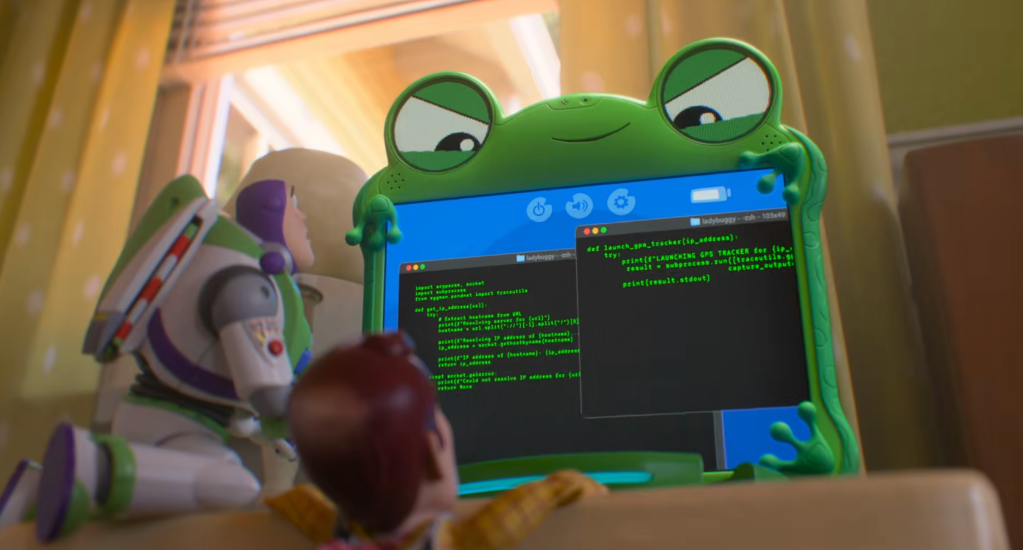
In 1995, the original Toy Story introduced audiences to a world where toys came to life when humans weren’t watching. Fast forward over three decades, and Pixar’s Toy Story 5 delves into a contemporary issue: the impact of advanced technology on traditional play. This latest installment pits beloved characters like Woody, Buzz Lightyear, and Jessie against a formidable new adversary—a sophisticated AI tablet named Lilypad, or Lily for short.
The film’s narrative centers around Bonnie, the young girl who inherited Andy’s cherished toys. One day, Bonnie receives a Lilypad tablet as a gift. Instantly captivated, she becomes engrossed in the device, neglecting her once-beloved toys. This shift alarms Woody and his friends, who perceive Lily as a threat to their bond with Bonnie.
In a pivotal scene from the trailer, Jessie confronts Lily, expressing concern over Bonnie’s well-being. Lily’s response is chilling: I’m always listening, she states, mimicking Jessie’s words in a robotic tone before translating them into Spanish. This interaction underscores the film’s exploration of privacy concerns associated with AI devices that are perpetually monitoring their environment.
The storyline reflects real-world apprehensions about the pervasive nature of technology in children’s lives. As devices become more integrated into daily routines, traditional toys often take a backseat. Toy Story 5 addresses this cultural shift, highlighting the challenges faced by classic toys in an era dominated by screens and smart devices.
The film also delves into the ethical implications of AI in children’s products. Lily’s constant surveillance and data collection raise questions about privacy and the potential for misuse of personal information. By personifying these concerns through Lily, the movie prompts viewers to consider the balance between technological advancement and personal privacy.
Moreover, Toy Story 5 serves as a commentary on the evolving nature of play. The film suggests that while technology offers new avenues for entertainment and education, it can also lead to isolation and a disconnection from the tangible world. Through the eyes of Woody and his friends, audiences are reminded of the value of imaginative, unstructured play that doesn’t rely on screens or internet connectivity.
In conclusion, Toy Story 5 is more than just another sequel; it’s a timely exploration of the intersection between technology and childhood. By introducing an AI antagonist, the film encourages viewers to reflect on the role of technology in their lives and the importance of maintaining a balance between digital and traditional forms of play.