iPhone Fold: The Potential Game-Changer in Foldable Smartphones
The advent of foldable smartphones has introduced innovative designs and functionalities, yet the market has largely converged on two primary form factors: the clamshell flip and the book-style fold. However, as rumors about Apple’s iPhone Fold gain momentum, there’s speculation that Apple might reintroduce a previously explored, yet abandoned, design—one that could redefine the foldable experience.
The Evolution of Foldable Designs
In the nascent stages of foldable technology, manufacturers experimented with various designs. Samsung’s Galaxy Fold featured a tall outer display that unfolded into a vertically oriented inner screen. Huawei and other brands explored outward-folding devices that, when closed, resembled standard smartphones.
Oppo’s Find N series took a different approach. These devices were characterized by a shorter, wider form factor, resulting in a compact, booklet-like design. This design offered a wider outer display and a more expansive inner screen, enhancing the tablet-like experience. Despite positive reception, this form factor didn’t gain widespread adoption.
Google’s Foray with the Pixel Fold
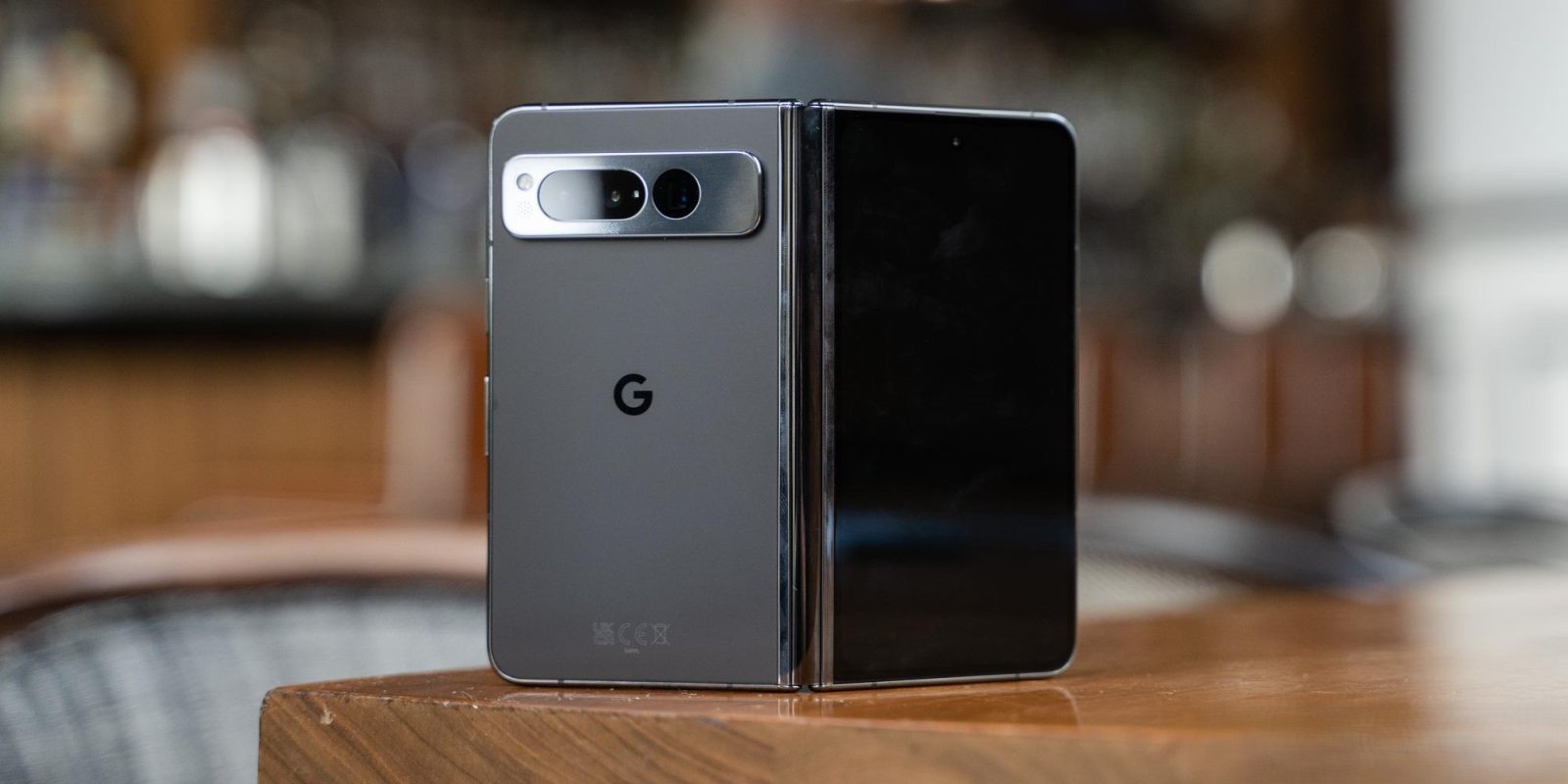
Google’s Pixel Fold embraced a similar design philosophy to Oppo’s Find N. It featured a shorter, wider outer display that unfolded into a broader inner screen, aiming to provide a pocket-sized tablet experience. This design facilitated better media consumption and allowed apps to utilize tablet-optimized layouts. However, the Pixel Fold faced challenges, including durability concerns and software optimization issues, which hindered its success.
The Dominance of Samsung’s Design
Samsung’s Galaxy Z Fold series, with its tall and narrow design, became the industry standard. While some criticized the usability of its outer display, Samsung’s commitment to this design, coupled with continuous improvements, solidified its position in the market. The lack of widespread app optimization for alternative foldable designs further contributed to the dominance of Samsung’s approach.
Apple’s Potential Impact with the ‘iPhone Fold’
As Apple reportedly prepares to enter the foldable market, there’s speculation that the company might adopt the wider, shorter form factor reminiscent of the Oppo Find N and Pixel Fold. Apple’s history of refining existing technologies and its influence over app developers could address the challenges that previous devices faced.
By introducing a foldable iPhone with a wider aspect ratio, Apple could enhance media consumption and multitasking capabilities. Moreover, Apple’s ability to drive app optimization could ensure a seamless user experience, potentially revitalizing a design that, while innovative, struggled to gain traction in the past.
Conclusion
The foldable smartphone market is poised for potential transformation with Apple’s anticipated entry. By revisiting and refining a previously explored design, Apple has the opportunity to set a new standard in the industry, offering users a unique and optimized foldable experience.