Tesla’s CarPlay Integration Faces Delays Amid Compatibility Challenges
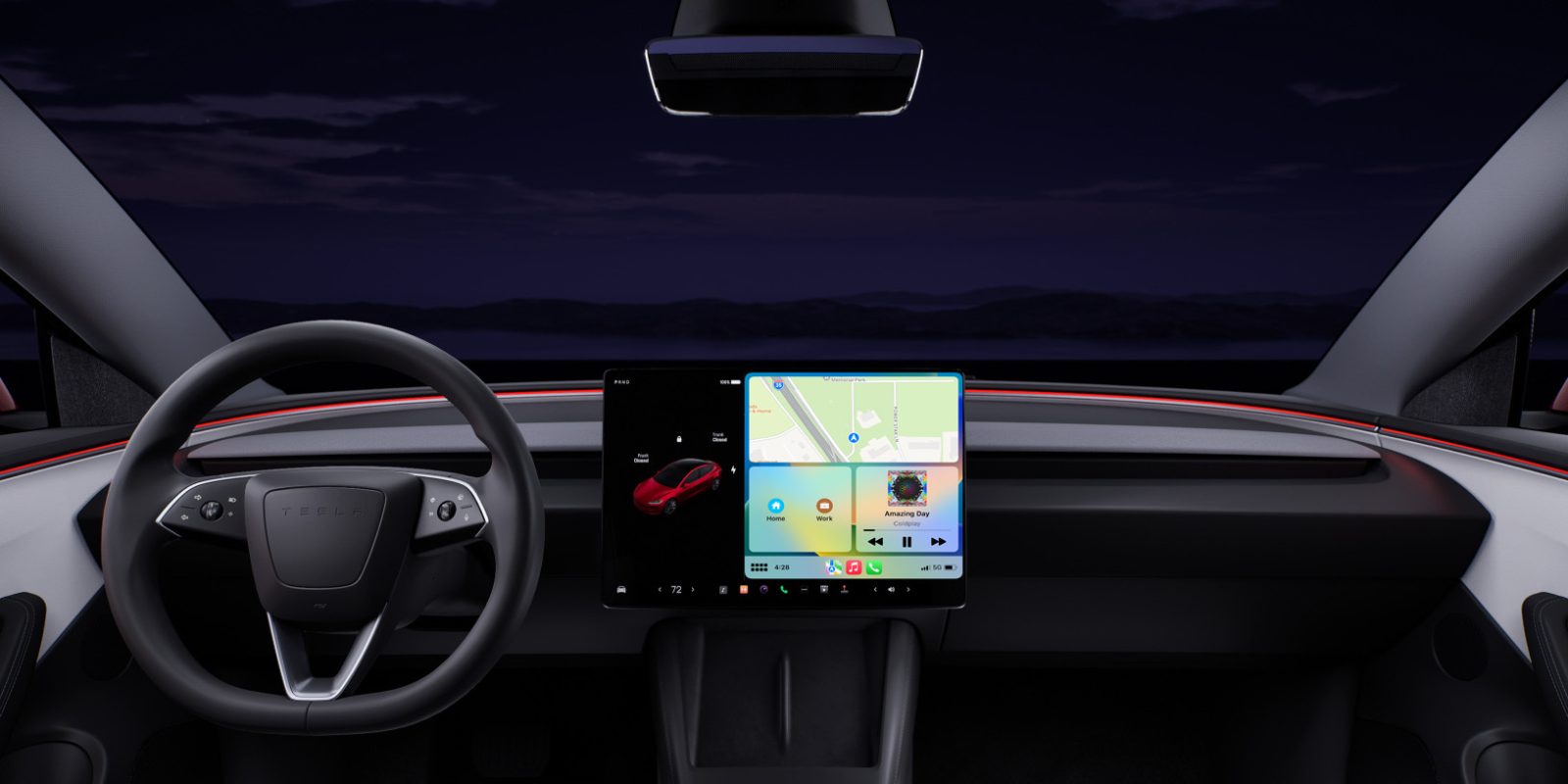
Tesla’s journey to integrate Apple’s CarPlay into its vehicles has encountered unforeseen obstacles, leading to delays in its anticipated rollout. Initially, in November 2025, reports emerged that Tesla was actively working on incorporating CarPlay, aiming to offer it as a seamless addition within its existing interface. This move was seen as a significant step towards enhancing user experience by merging Tesla’s proprietary systems with Apple’s widely-used platform.
However, recent insights reveal that the integration process has been more complex than anticipated. A primary challenge has been the synchronization between Apple Maps and Tesla’s native mapping system, especially concerning autonomous driving features. Specifically, discrepancies arose in the turn-by-turn navigation guidance, where Tesla’s autonomous driving cues did not align perfectly with Apple Maps’ directions. This misalignment posed potential confusion for drivers, particularly when both systems were active simultaneously.
To address these issues, Tesla reached out to Apple, requesting specific engineering modifications to Apple Maps to ensure better compatibility. Apple responded by implementing the necessary adjustments in a subsequent iOS 26 update, aiming to resolve the identified synchronization problems.
Despite these efforts, the adoption rate of iOS 26 has been slower than previous versions. As of February 2026, approximately 74% of iPhones released in the past four years have updated to iOS 26. However, not all users have installed the latest version containing the CarPlay fixes. This slower adoption rate has contributed to Tesla’s cautious approach, opting to delay the CarPlay launch until a more substantial portion of users have the updated software.
In the broader context, Tesla’s decision to integrate CarPlay marks a notable shift. Historically, Tesla has maintained a closed ecosystem, favoring its proprietary software over third-party integrations. The move towards CarPlay suggests a recognition of the value in offering users familiar interfaces and functionalities, especially as other automakers have embraced similar integrations.
The delay also underscores the complexities involved in merging two sophisticated systems. Ensuring that Tesla’s advanced autonomous features work harmoniously with CarPlay requires meticulous engineering and thorough testing. Both companies are committed to delivering a seamless experience, which necessitates time and careful coordination.
For Tesla owners and enthusiasts, the anticipation for CarPlay support continues. While the exact launch date remains uncertain, the ongoing collaboration between Tesla and Apple indicates a shared commitment to bringing this feature to fruition. Users are encouraged to keep their devices updated to the latest software versions to ensure they can benefit from the integration once it becomes available.
In conclusion, while the path to integrating CarPlay into Tesla vehicles has faced unexpected challenges, the collaborative efforts between Tesla and Apple signal a promising future. As both companies work diligently to resolve compatibility issues and ensure a seamless user experience, Tesla owners can look forward to enhanced connectivity and functionality in their vehicles.