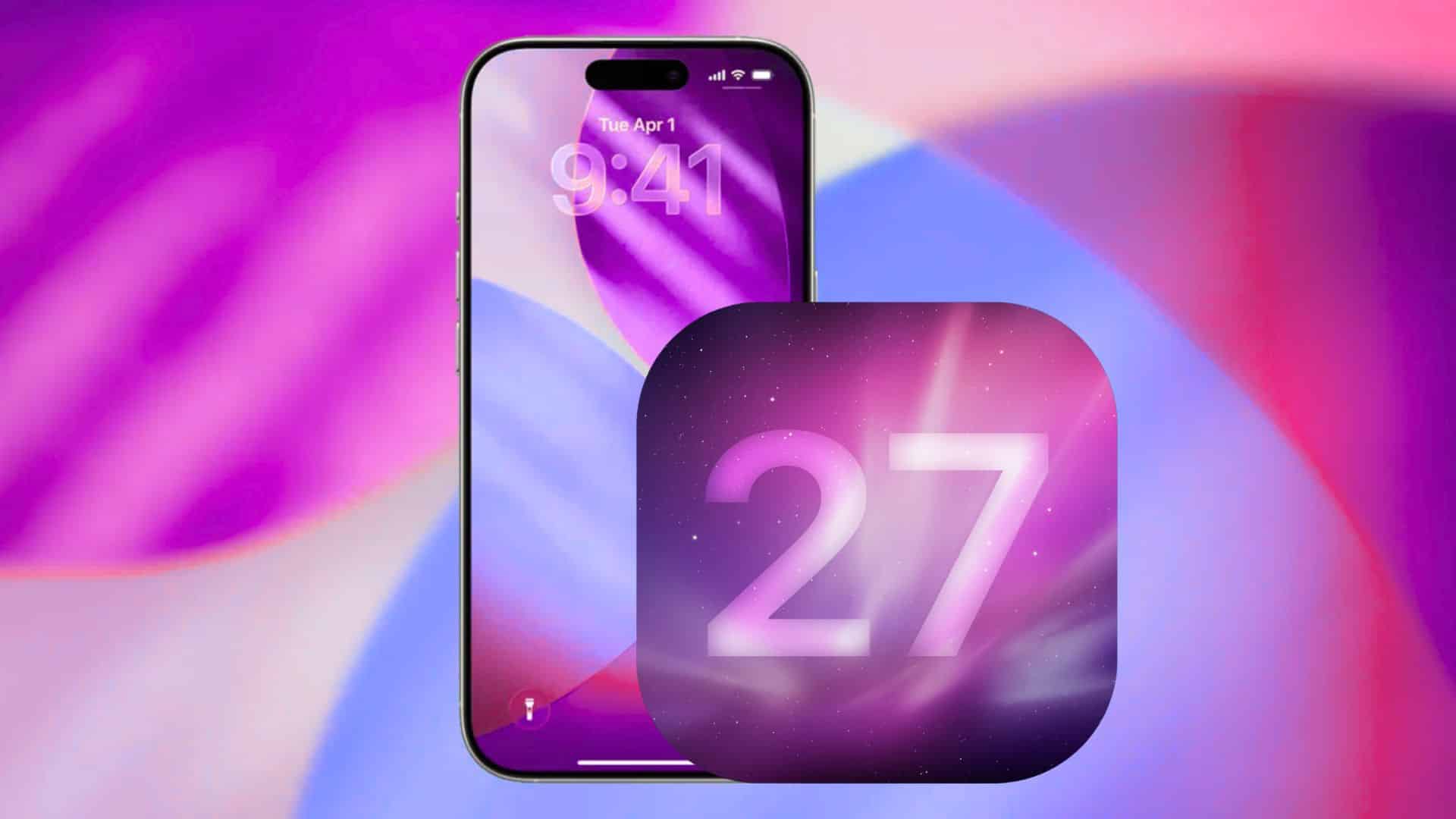
Apple’s Liquid Glass Design to Continue in iOS 27 Amid Focus on AI and Stability
Apple is set to maintain its Liquid Glass design language in the upcoming iOS 27, despite recent leadership changes and ongoing critiques regarding readability. Rather than implementing a major visual overhaul, the company is prioritizing advancements in artificial intelligence (AI) and enhancing overall software stability.
The Liquid Glass design, introduced with iOS 26, brought a glossy, transparent aesthetic to Apple’s interface, unifying the visual experience across iOS, iPadOS, macOS, visionOS, tvOS, and CarPlay. This design shift marked Apple’s most significant interface change since the adoption of flat design in iOS 7. The new style introduced layered, reflective surfaces that resemble glass, adding depth and shine to toolbars, controls, and app interfaces. The goal was to create a more immersive and cohesive visual experience across devices.
Speculation about a potential departure from the Liquid Glass design intensified following the departure of Alan Dye, the design architect closely associated with this aesthetic, who left Apple for Meta in December 2025. However, reports indicate that Apple remains committed to the design. In his Power On newsletter, Bloomberg’s Mark Gurman emphasized that the Liquid Glass design was a collective decision within Apple, not solely attributed to Dye. Gurman stated, Let’s not forget that Apple’s user interface manager did not develop the iOS 26 interface himself and did not unilaterally decide on this direction. The company is still very attached to it. This underscores that the design direction is deeply ingrained in Apple’s strategy and will continue with refinements in iOS 27.
Priorities for iOS 27
With the design direction set, Apple is shifting its focus to performance enhancements and AI integration in iOS 27. The upcoming update aims to address existing bugs, improve reliability, and optimize code to ensure smoother daily use, particularly on older devices.
A significant addition to iOS 27 is the introduction of an advanced Siri chatbot experience. Unlike previous iterations, this chatbot will be embedded directly into the system, eliminating the need for a separate app. According to Gurman, the chatbot will operate on Google’s cloud infrastructure and Tensor Processing Units (TPUs). The enhanced Siri is expected to offer capabilities such as:
– Web searching with summarized results
– Text and image generation
– Assistance with coding tasks
– Document and file analysis
– Utilization of personal data for on-device tasks
Additionally, Apple is developing a feature that allows Siri to view open windows and on-screen content, enabling the assistant to adjust settings and control device features with greater context. This functionality will be powered by Apple’s internal model, Apple Foundation Models version 11, which is anticipated to compete directly with Google’s Gemini 3 and represent a significant advancement from the version used in iOS 26.4.
Adjustments to Health App Strategy
Apple is also revising its approach to the Health app in iOS 27. Plans for a comprehensive AI-driven health overhaul have been scaled back following mixed outcomes from earlier AI integrations. While some new features will still be introduced, they will be implemented incrementally within the existing Health app framework.
The first beta of iOS 27 is scheduled for release this summer. Apple’s message is clear: the Liquid Glass design will persist, with the company’s focus shifting toward developing smarter, more reliable software that enhances the user experience on a daily basis.