Is the iPhone 15 Still a Smart Purchase in 2026?
Released in late 2023, the iPhone 15 was Apple’s flagship device, boasting cutting-edge technology and design. As of early 2026, with the advent of newer models like the iPhone 16 and iPhone 17, the iPhone 15 has seen a significant price reduction, making it an attractive option for budget-conscious consumers. This article delves into the iPhone 15’s features, performance, and how it stacks up against its successors to help you decide if it’s still a worthy investment.
Design and Build Quality
The iPhone 15 features a sleek glass and aluminum body, exuding a premium feel that remains contemporary in 2026. Its IP68 rating ensures resistance to dust and water, providing durability for everyday use. The front and back are protected by Ceramic Shield glass, enhancing its resilience against drops and scratches. A notable design upgrade was the introduction of the Dynamic Island, replacing the traditional notch, offering a more immersive display experience. Additionally, the shift from the Lightning port to USB-C has standardized connectivity across devices, simplifying charging and data transfer.
Display
The iPhone 15 is equipped with a 6.1-inch Super Retina XDR OLED display, delivering vibrant colors and sharp visuals at a resolution of 2556×1179 pixels. However, it maintains a 60Hz refresh rate, which, by 2026 standards, is lower than the 90Hz or 120Hz displays found in many contemporary smartphones. While this might result in less fluid scrolling and animations compared to newer models, the display still offers a high-quality viewing experience for most users.
Performance and Software
Powered by the A16 Bionic chip, the iPhone 15 continues to deliver robust performance in 2026. It efficiently handles daily tasks such as web browsing, messaging, and app usage without noticeable lag. The device supports iOS 26, ensuring access to the latest features and security updates. While it may not match the processing power of the newer A18 chip found in the iPhone 16, the A16 Bionic remains competent for most applications.
Camera System
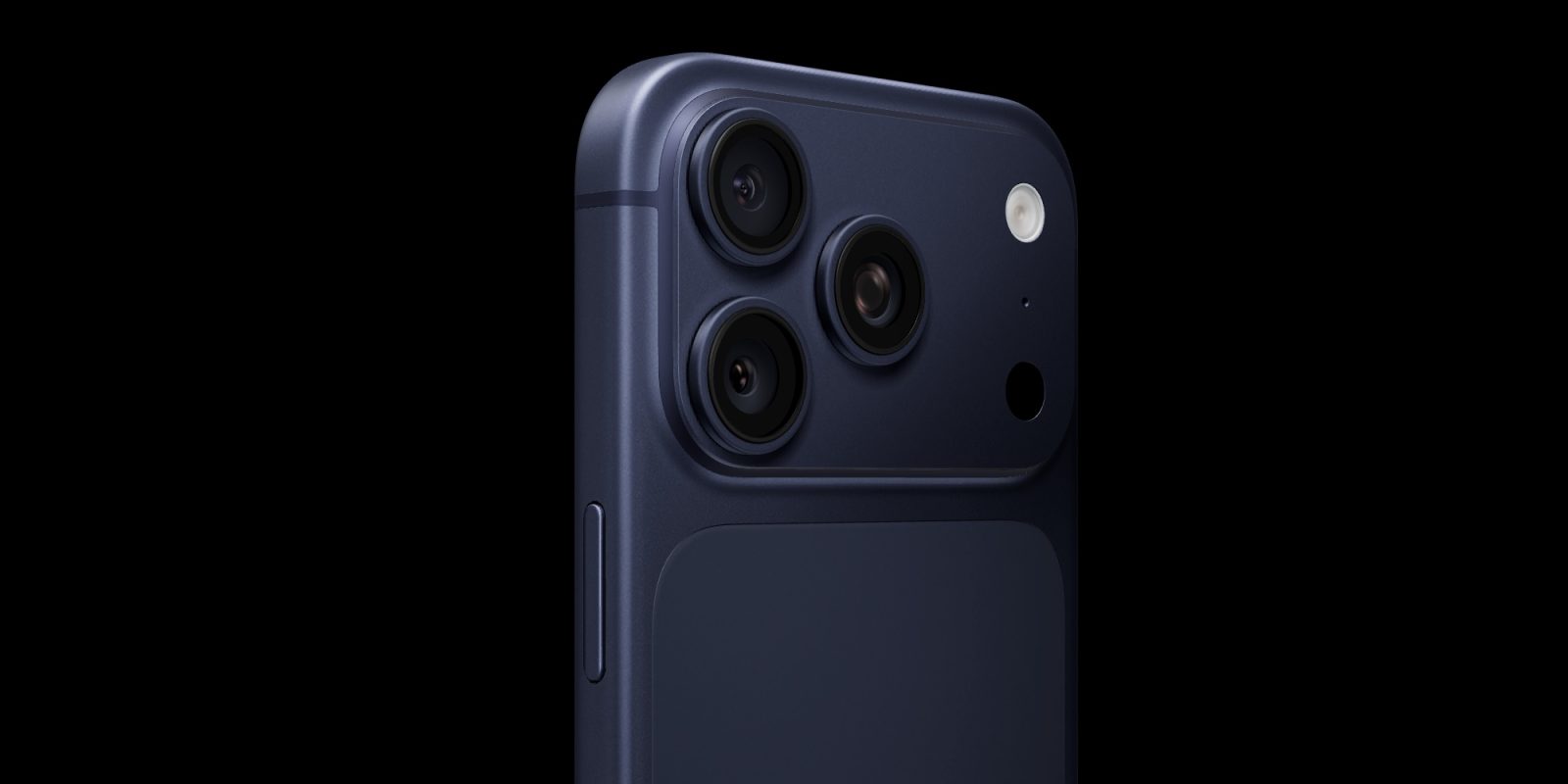
The iPhone 15’s camera setup includes a 48-megapixel main sensor and a 12-megapixel ultra-wide lens. This combination captures detailed and vibrant photos in well-lit conditions. However, in low-light scenarios, the camera’s performance is decent but doesn’t quite reach the advancements seen in the iPhone 16’s camera system, which features a new ultrawide camera with a wider aperture and improved low-light capabilities. For casual photographers, the iPhone 15’s camera remains more than adequate, but those seeking the latest in mobile photography might find the newer models more appealing.
Battery Life and Charging
The iPhone 15 offers reliable battery life, supporting up to 20 hours of video playback and up to 80 hours of audio playback. It supports MagSafe wireless charging up to 15W and fast charging capabilities, allowing up to 50% charge in around 30 minutes with a 20W adapter or higher. While newer models like the iPhone 16 have introduced features like Adaptive Power Mode to extend battery life further, the iPhone 15’s battery performance remains satisfactory for most users.
Connectivity and Additional Features
The iPhone 15 introduced the USB-C connector, aligning with universal charging standards and enhancing data transfer speeds. It supports 5G connectivity, ensuring fast internet speeds where available. The device also features the second-generation Ultra Wideband chip, improving spatial awareness and enabling features like Precision Finding for locating friends or devices. However, it lacks some of the AI-powered features introduced in later models, such as the Apple Intelligence suite found in the iPhone 16 and beyond.
Comparing with Newer Models
When juxtaposed with the iPhone 16, the iPhone 15 holds its ground in several areas but falls short in others. The iPhone 16 boasts the A18 chip optimized for generative AI tasks, a new ultrawide camera with a wider aperture, and support for Wi-Fi 7, offering faster internet speeds. Additionally, the iPhone 16’s display supports a higher refresh rate, providing a smoother visual experience. These enhancements cater to users seeking the latest technology and performance improvements.
Price Consideration
As of 2026, the iPhone 15 is available at a reduced price point, approximately $699 for a new unit. This price reduction makes it an attractive option for those who prioritize value over having the latest features. The iPhone 16 and newer models, while offering advanced features, come at a higher cost, which may not justify the incremental benefits for all users.
Conclusion
The iPhone 15, even in 2026, remains a solid choice for individuals seeking a reliable and well-rounded smartphone without the premium price tag of newer models. Its design, performance, and feature set continue to meet the needs of most users. However, for tech enthusiasts or those desiring the latest advancements in camera technology, display refresh rates, and AI capabilities, investing in a newer model like the iPhone 16 or iPhone 17 may be more appropriate. Ultimately, the decision hinges on individual preferences, budget considerations, and the value placed on the latest technological innovations.