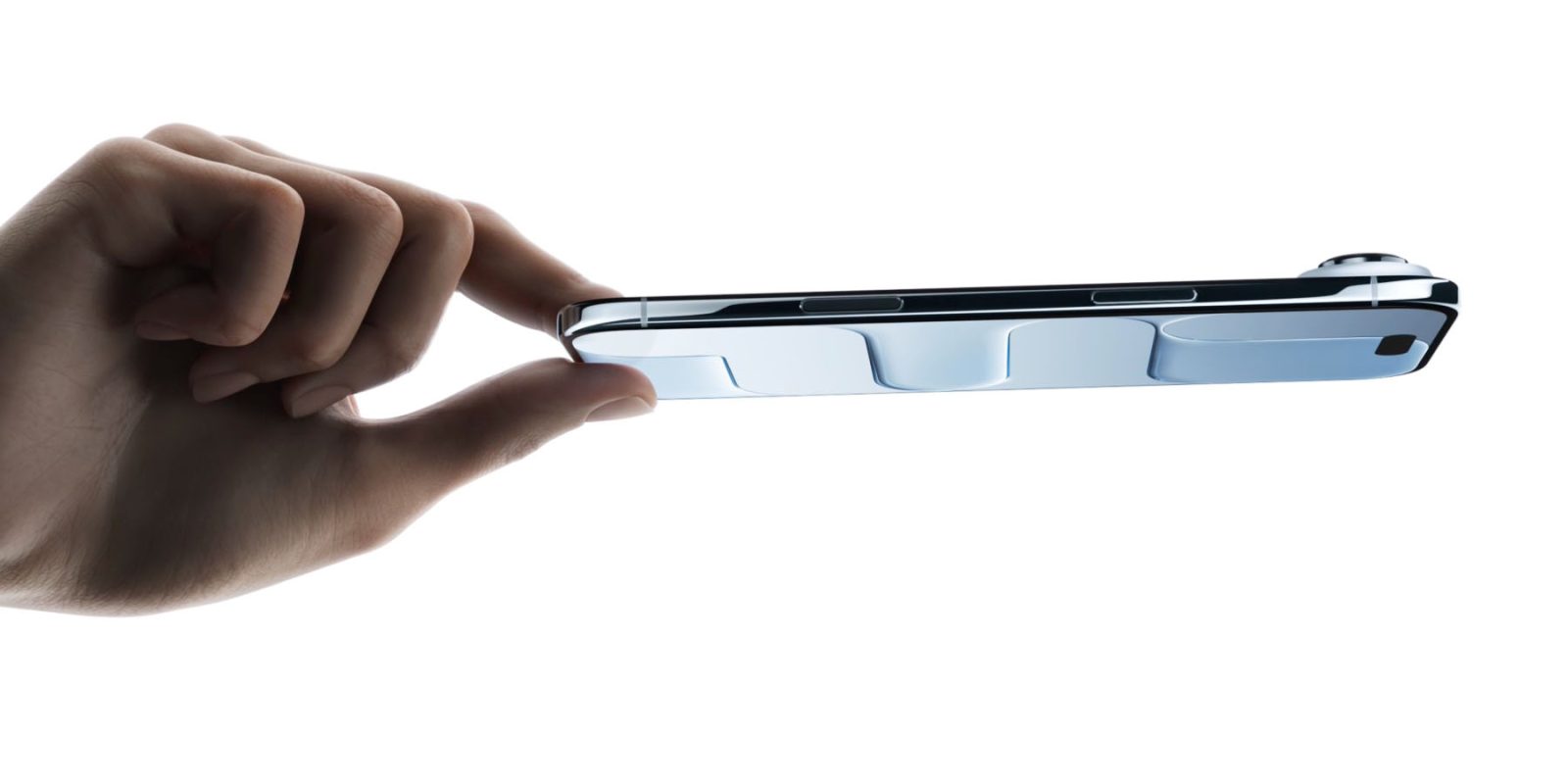
Innovative Mod Adds SIM Card Slot to iPhone Air
In a remarkable display of technical ingenuity, a Chinese tech enthusiast has successfully modified an iPhone Air to include a physical SIM card slot. This adaptation addresses a significant limitation for users in regions where eSIM technology is not yet prevalent.
Background on the iPhone Air and eSIM Technology
The iPhone Air, introduced by Apple, is celebrated for its ultra-thin design and reliance solely on eSIM technology, eliminating the traditional physical SIM card slot. This design choice aligns with Apple’s commitment to sleek aesthetics and advanced technology. However, the absence of a physical SIM slot poses challenges in markets where eSIM adoption is limited or non-existent.
The Modification Process
The modification was carried out by an individual known as Huaqiangbei, named after the renowned electronics market district in Shenzhen. The process involved a strategic hardware trade-off: replacing Apple’s Taptic Engine—a component responsible for haptic feedback—with a smaller, less powerful motor. This substitution freed up the necessary space to integrate a SIM card tray into the device.
Technical Considerations and Trade-offs
The Taptic Engine is integral to the iPhone’s user experience, providing tactile feedback that enhances interaction. By replacing it with a smaller motor, the modder was able to create space for the SIM tray but at the cost of reduced haptic feedback quality. This trade-off highlights the challenges inherent in modifying compact and intricately designed devices like the iPhone Air.
Implications for Users in eSIM-Limited Regions
For users in regions where eSIM technology is not widely supported, this modification offers a practical solution to maintain connectivity. It underscores the demand for physical SIM options in certain markets and reflects the adaptability of tech enthusiasts to overcome hardware limitations.
Community Reactions and Authenticity Debates
The modification has sparked discussions within the tech community. Some enthusiasts praise the ingenuity and practicality of the mod, while others question its authenticity, suggesting the device might be a high-quality clone rather than a genuine iPhone Air. Despite these debates, the mod has garnered significant attention and highlights the ongoing conversation about hardware customization and user needs.
Conclusion
This innovative modification of the iPhone Air to include a SIM card slot exemplifies the creativity and technical skill within the tech community. It also brings to light the varying needs of users worldwide and the importance of adaptable technology solutions. As eSIM technology continues to evolve, such modifications may become less necessary, but they currently serve as vital solutions for users in specific regions.