Top 11 Single Sign-On (SSO) Solutions for 2026: Enhancing Security and User Experience
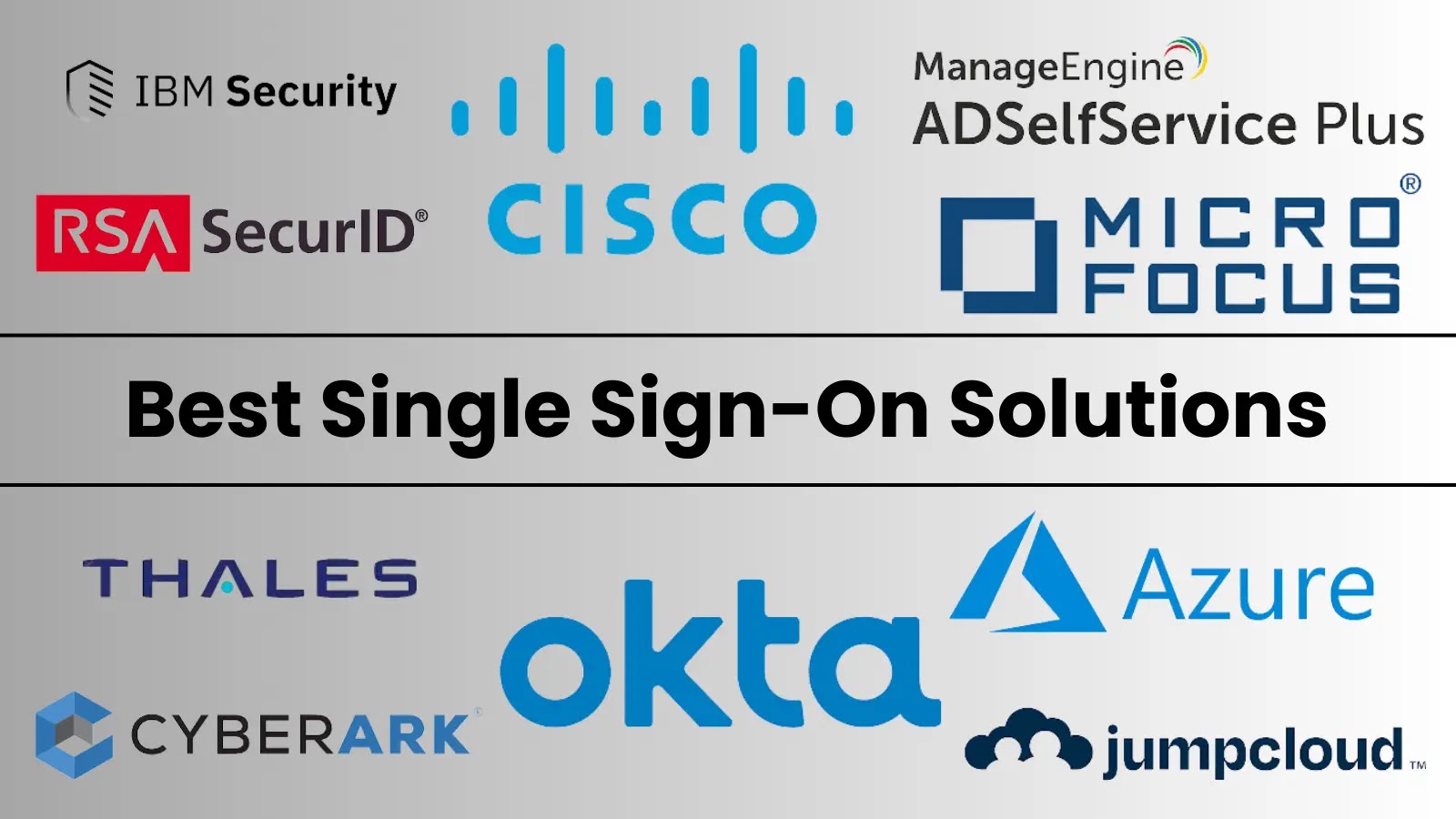
In today’s digital landscape, organizations are increasingly adopting Single Sign-On (SSO) solutions to streamline user authentication across multiple applications. SSO not only enhances security by reducing password fatigue but also improves user experience by allowing seamless access to various services with a single set of credentials. As we move into 2026, several SSO providers stand out for their robust features and integrations. Below is an in-depth look at the top 11 SSO solutions available:
1. Check Point’s SASE
Check Point’s Secure Access Service Edge (SASE) offers a comprehensive security and access solution that integrates advanced SSO capabilities with both cloud and on-premises security services. Designed for enterprises seeking a unified platform, it combines identity management, multi-factor authentication (MFA), and secure access with network security features like SD-WAN and threat prevention.
Specifications:
– Deployment: Cloud and Hybrid environments
– Protocols: SAML, OAuth, OpenID Connect
– User Provisioning: Yes
– MFA Support: Yes, adaptive MFA included
– Integration: Supports major enterprise identity providers and cloud applications
Reasons to Choose:
– Simplifies IT operations with a unified security and access platform
– Reduces latency for remote users, enhancing performance
– Offers strong adaptive authentication and threat prevention capabilities
– Seamlessly integrates with existing enterprise identity systems
Features:
– Single sign-on across cloud and on-premises applications
– AI-powered threat detection and prevention
– Integrated SD-WAN for secure and optimized connectivity
– Centralized management console for unified policy enforcement
Best For: Enterprises needing a consolidated security and access solution with high performance and advanced threat protection.
2. Okta
Okta is a leader in identity and access management, known for its extensive application integrations and robust security features. It offers a cloud-based platform that provides seamless SSO, adaptive MFA, and lifecycle management for users.
Specifications:
– Deployment: Cloud
– Protocols: SAML, OIDC, WS-Fed, SCIM
– User Provisioning: Yes
– MFA Support: Yes, adaptive MFA
– Integration: Over 6,500 pre-built integrations with applications
Reasons to Choose:
– Extensive integration network simplifies application onboarding
– Strong adaptive authentication enhances security
– User-friendly interface and comprehensive documentation
– Scalable solution suitable for organizations of all sizes
Features:
– Centralized identity management
– Lifecycle management with automated provisioning and de-provisioning
– Adaptive MFA with contextual access policies
– Comprehensive reporting and analytics
Best For: Organizations seeking a scalable and extensively integrated SSO solution.
3. Auth0
Auth0 provides a flexible identity platform that enables developers to implement SSO and authentication solutions with ease. It supports a wide range of identity protocols and offers extensive customization options.
Specifications:
– Deployment: Cloud
– Protocols: SAML, OIDC, OAuth, WS-Fed
– User Provisioning: Yes
– MFA Support: Yes
– Integration: Extensive library of SDKs and APIs for custom integrations
Reasons to Choose:
– Developer-friendly with extensive documentation and SDKs
– Highly customizable to fit specific application needs
– Supports a wide range of identity protocols
– Scalable for applications of all sizes
Features:
– Universal login with customizable branding
– Adaptive MFA with risk-based authentication
– User management with detailed profiles and metadata
– Extensive logging and monitoring capabilities
Best For: Developers and organizations needing a flexible and customizable SSO solution.
4. OneLogin
OneLogin offers a cloud-based identity and access management solution that provides SSO, MFA, and user provisioning. It emphasizes ease of use and rapid deployment.
Specifications:
– Deployment: Cloud
– Protocols: SAML, OIDC, OAuth, WS-Fed
– User Provisioning: Yes
– MFA Support: Yes
– Integration: Thousands of pre-integrated applications
Reasons to Choose:
– Quick deployment with pre-integrated applications
– User-friendly interface for both administrators and end-users
– Strong security features including adaptive MFA
– Competitive pricing suitable for various organization sizes
Features:
– Single sign-on with customizable portal
– Adaptive MFA with contextual policies
– Automated user provisioning and de-provisioning
– Real-time security monitoring and reporting
Best For: Organizations seeking a user-friendly and rapidly deployable SSO solution.
5. JumpCloud
JumpCloud provides a directory-as-a-service platform that offers SSO, device management, and directory services. It is designed to manage user identities and devices across various environments.
Specifications:
– Deployment: Cloud
– Protocols: SAML, OIDC, LDAP, RADIUS
– User Provisioning: Yes
– MFA Support: Yes
– Integration: Supports a wide range of applications and services
Reasons to Choose:
– Combines SSO with device and directory management
– Supports heterogeneous environments including Windows, Mac, and Linux
– Simplifies IT operations with a unified platform
– Scalable for growing organizations
Features:
– Single sign-on with centralized user management
– Cross-platform device management
– Directory services with LDAP and RADIUS support
– Security policies enforcement across users and devices
Best For: Organizations needing a unified solution for identity and device management.
6. Ping Identity
Ping Identity offers an enterprise-grade identity and access management platform that provides SSO, MFA, and API security. It focuses on delivering secure and seamless user experiences.
Specifications:
– Deployment: Cloud and Hybrid environments
– Protocols: SAML, OIDC, OAuth, WS-Fed
– User Provisioning: Yes
– MFA Support: Yes
– Integration: Extensive integration capabilities with enterprise applications
Reasons to Choose:
– Enterprise-grade security and scalability
– Flexible deployment options including on-premises and cloud
– Strong API security features
– Comprehensive support and professional services
Features:
– Single sign-on with adaptive authentication
– Multi-factor authentication with various methods
– API security with OAuth and OpenID Connect
– Centralized access management and policy enforcement
Best For: Large enterprises requiring a scalable and secure SSO solution.
7. Duo Security
Duo Security, now part of Cisco, provides a cloud-based access security platform that offers SSO, MFA, and device trust capabilities. It emphasizes ease of use and strong security.
Specifications:
– Deployment: Cloud
– Protocols: SAML, OIDC
– User Provisioning: Yes
– MFA Support: Yes
– Integration: Supports a wide range of applications and services
Reasons to Choose:
– User-friendly interface and deployment
– Strong security features including device trust
– Flexible MFA options with various authentication methods
– Scalable for organizations of all sizes
Features:
– Single sign-on with centralized access management
– Multi-factor authentication with adaptive policies
– Device trust to ensure secure access
– Comprehensive reporting and analytics
Best For: Organizations seeking a user-friendly and secure SSO solution.
8. Microsoft Entra ID
Microsoft Entra ID, formerly known as Azure Active Directory, offers identity and access management services that provide SSO, MFA, and conditional access policies. It integrates seamlessly with Microsoft products and services.
Specifications:
– Deployment: Cloud and Hybrid environments
– Protocols: SAML, OIDC, OAuth, WS-Fed
– User Provisioning: Yes
– MFA Support: Yes
– Integration: Deep integration with Microsoft ecosystem and third-party applications
Reasons to Choose:
– Seamless integration with Microsoft products
– Comprehensive security features including conditional access
– Scalable for enterprises of all sizes
– Extensive compliance and governance capabilities
Features:
– Single sign-on with centralized identity management
– Multi-factor authentication with conditional access
– Identity protection with risk-based policies
– Comprehensive auditing and reporting
Best For: Organizations heavily invested in the Microsoft ecosystem.
9. WorkOS
WorkOS provides a developer-focused platform that enables SSO and directory sync capabilities for applications. It is designed to simplify the integration of enterprise-grade authentication.
Specifications:
– Deployment: Cloud
– Protocols: SAML, OIDC
– User Provisioning: Yes
– MFA Support: Yes
– Integration: Supports various identity providers and directories
Reasons to Choose:
– Developer-friendly with extensive documentation and SDKs
– Simplifies integration of SSO into applications
– Supports a wide range of identity providers
– Scalable for applications of all sizes
Features:
– Single sign-on with customizable authentication flows
– Directory sync for user provisioning
– Multi-factor authentication support
– Comprehensive logging and monitoring
Best For: Developers needing to integrate SSO into their applications.
10. SecureAuth
SecureAuth offers an identity and access management platform that provides SSO, MFA, and adaptive authentication. It focuses on delivering secure and flexible authentication solutions.
Specifications:
– Deployment: Cloud and Hybrid environments
– Protocols: SAML, OIDC, OAuth, WS-Fed
– User Provisioning: No
– MFA Support: Yes
– Integration: Supports various applications and services
Reasons to Choose:
– Flexible deployment options
– Strong adaptive authentication capabilities
– Focus on security and compliance
– Customizable authentication workflows
Features:
– Single sign-on with adaptive authentication
– Multi-factor authentication with various methods
– Risk-based authentication policies
– Comprehensive reporting and analytics
Best For: Organizations requiring flexible and secure authentication solutions.
11. FusionAuth
FusionAuth provides a developer-friendly identity platform that offers SSO, MFA, and user management. It is designed for easy integration and customization.
Specifications:
– Deployment: Cloud and On-Premises
– Protocols: SAML, OIDC, OAuth
– User Provisioning: Yes
– MFA Support: Yes
– Integration: Supports various applications and services
Reasons to Choose:
– Developer-friendly with extensive APIs and documentation
– Highly customizable to fit specific application needs
– Supports both cloud and on-premises deployments
– Scalable for applications of all sizes
Features:
– Single sign-on with customizable authentication flows
– Multi-factor authentication with various methods
– User management with detailed profiles
– Comprehensive logging and monitoring
Best For: Developers and organizations needing a flexible and customizable SSO solution.
Conclusion
Selecting the right SSO solution is crucial for enhancing security and user experience within an organization. The providers listed above offer a range of features and integrations to meet diverse business needs. When evaluating SSO solutions, consider factors such as deployment options, integration capabilities, security features, and scalability to ensure the chosen solution aligns with your organization’s requirements.